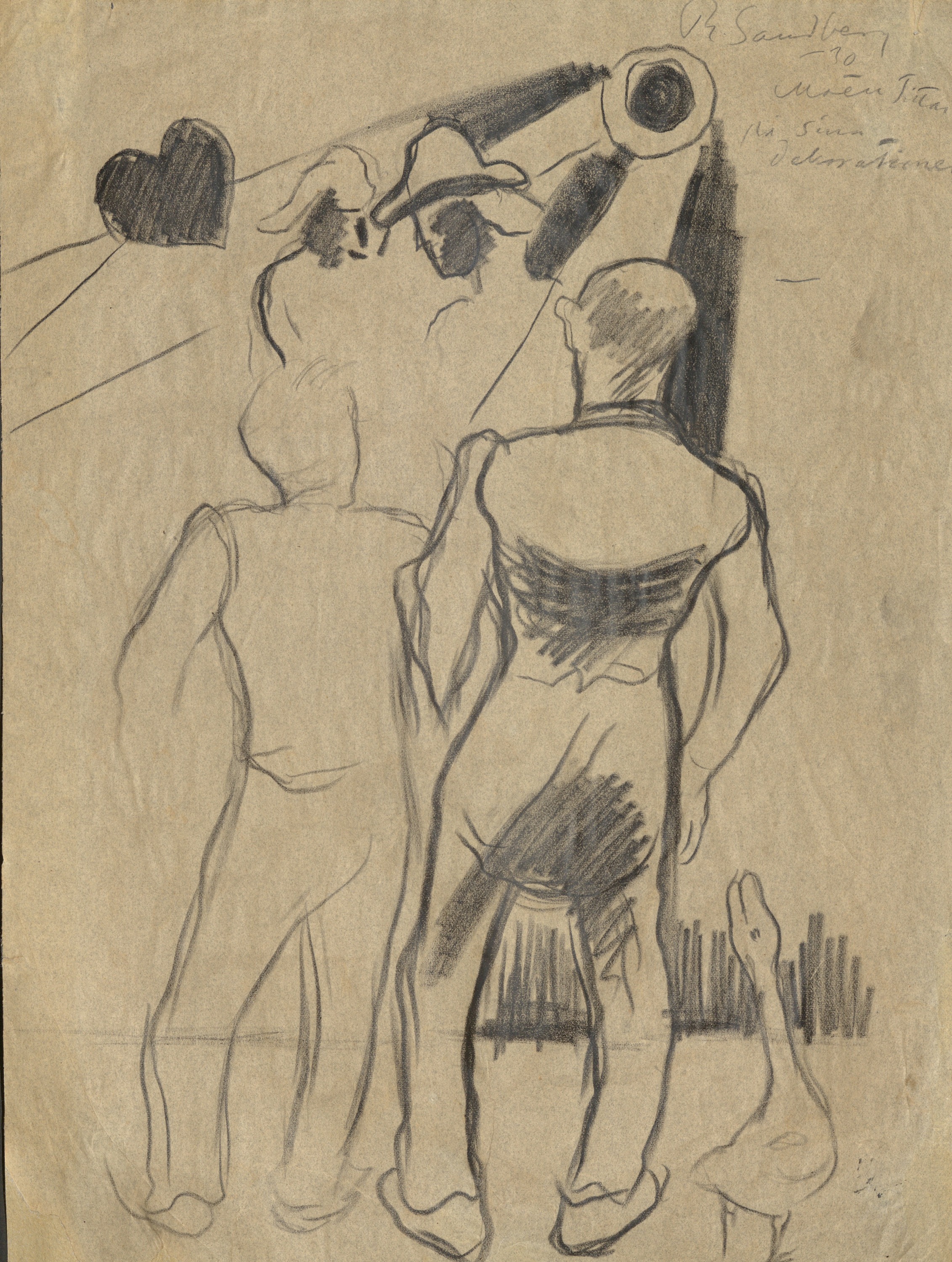
Ragnar Sandberg
Swedish, 1902 - 1972
Nationality
About the Artist
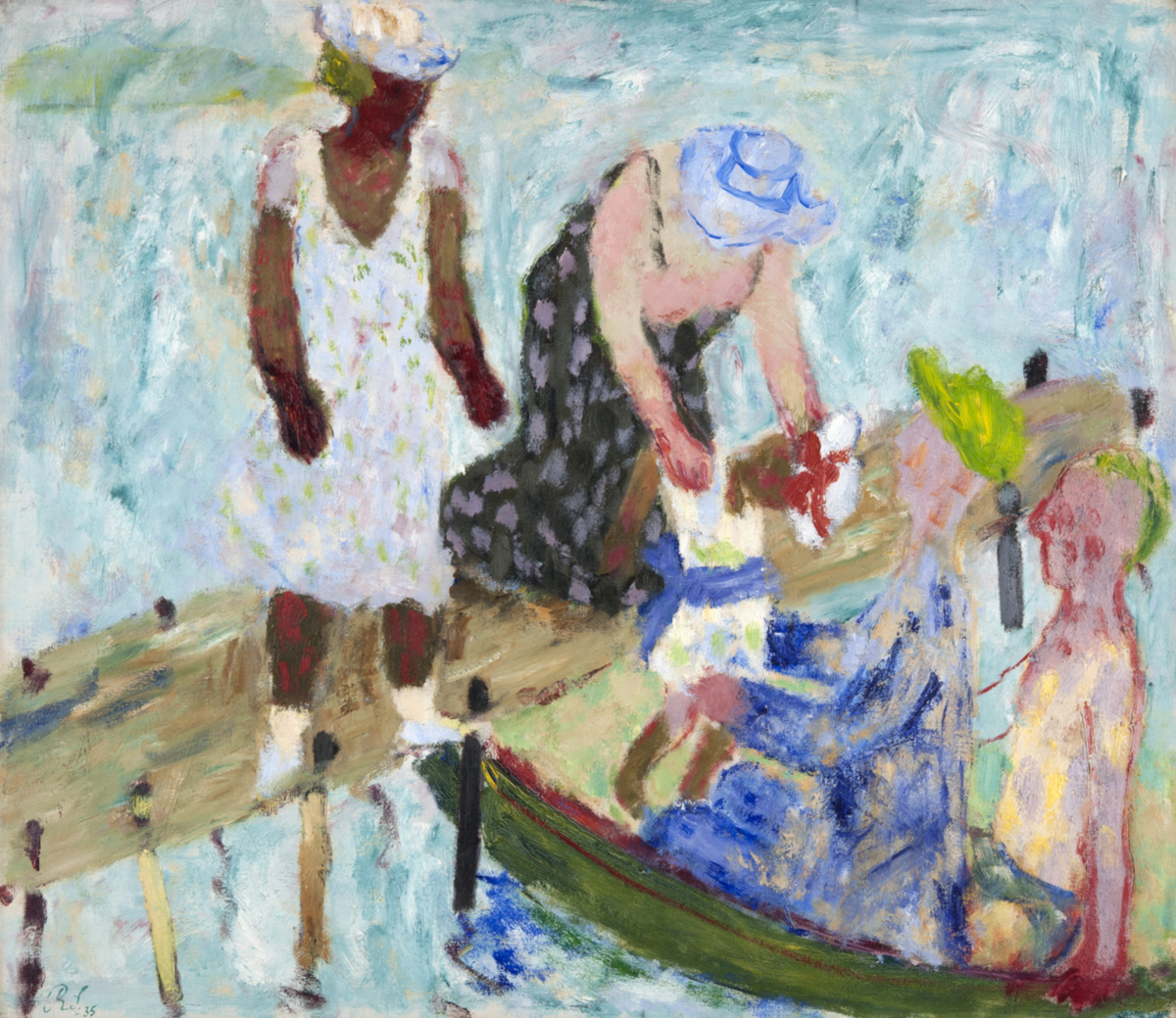
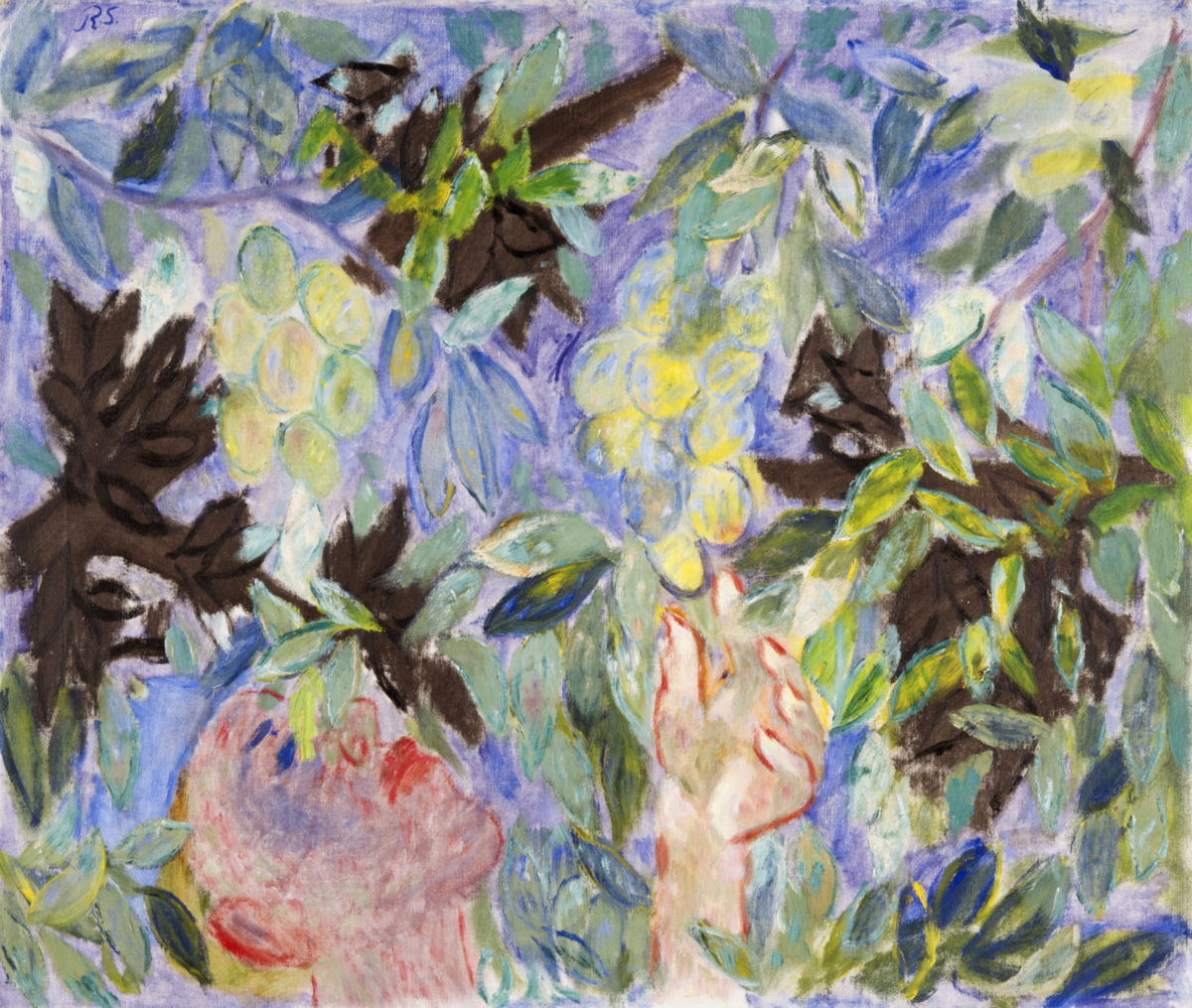
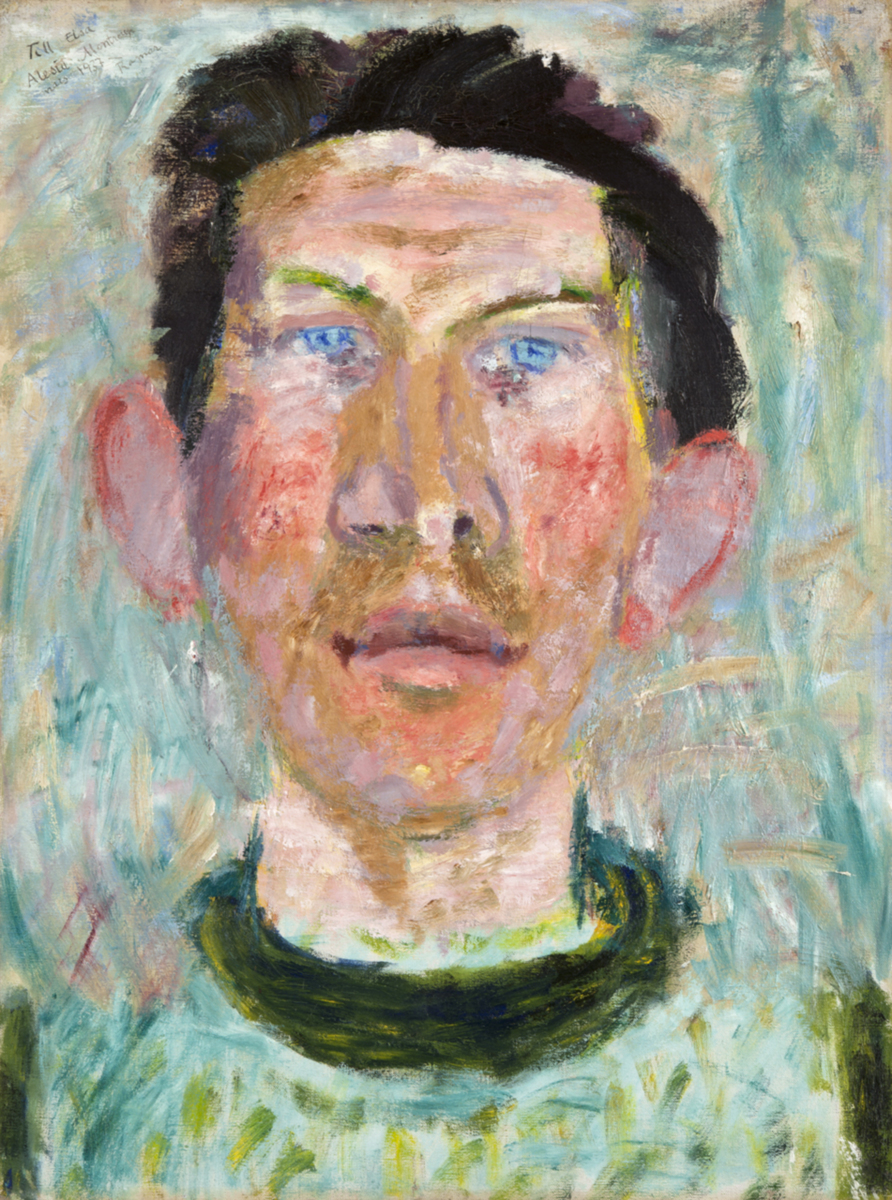
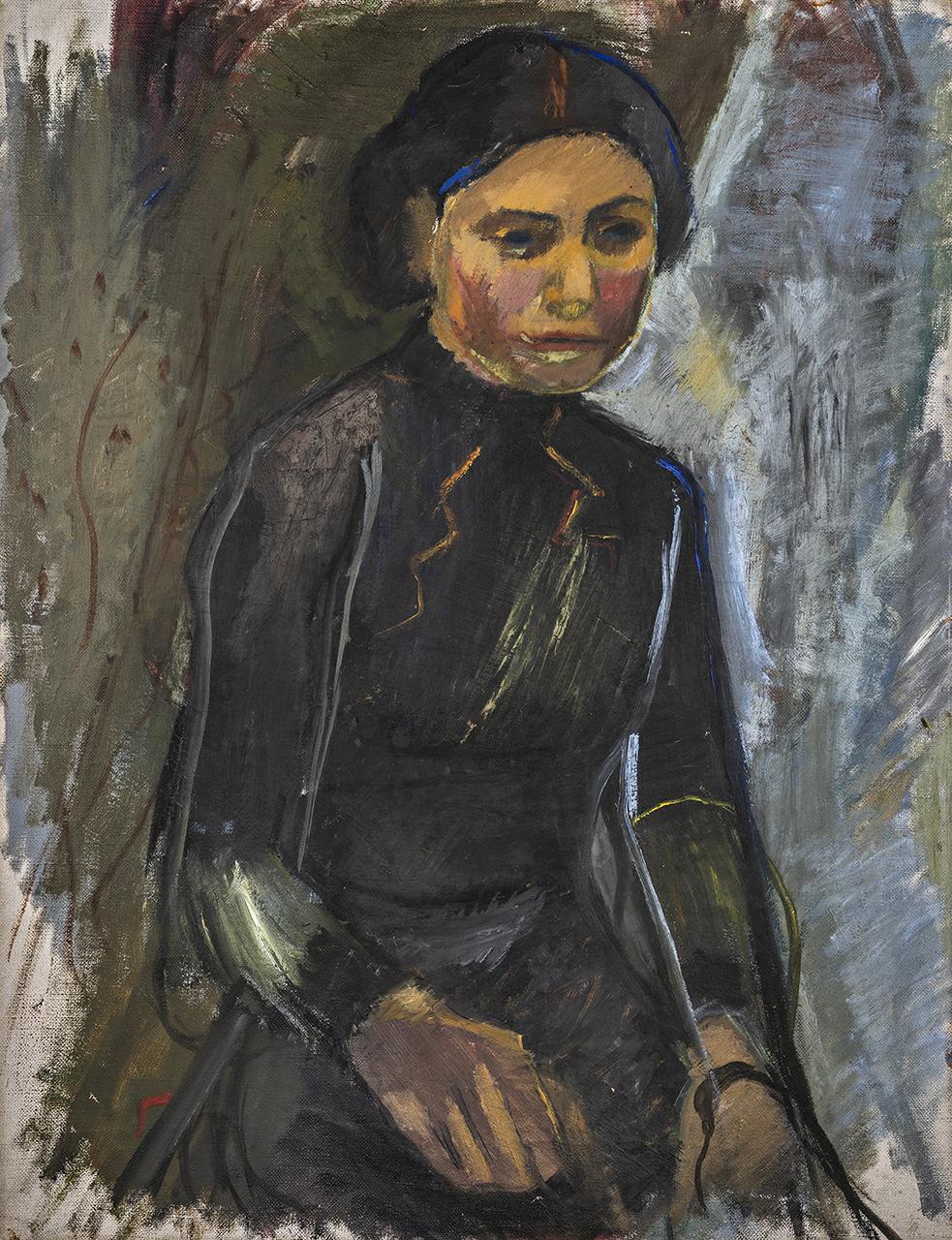
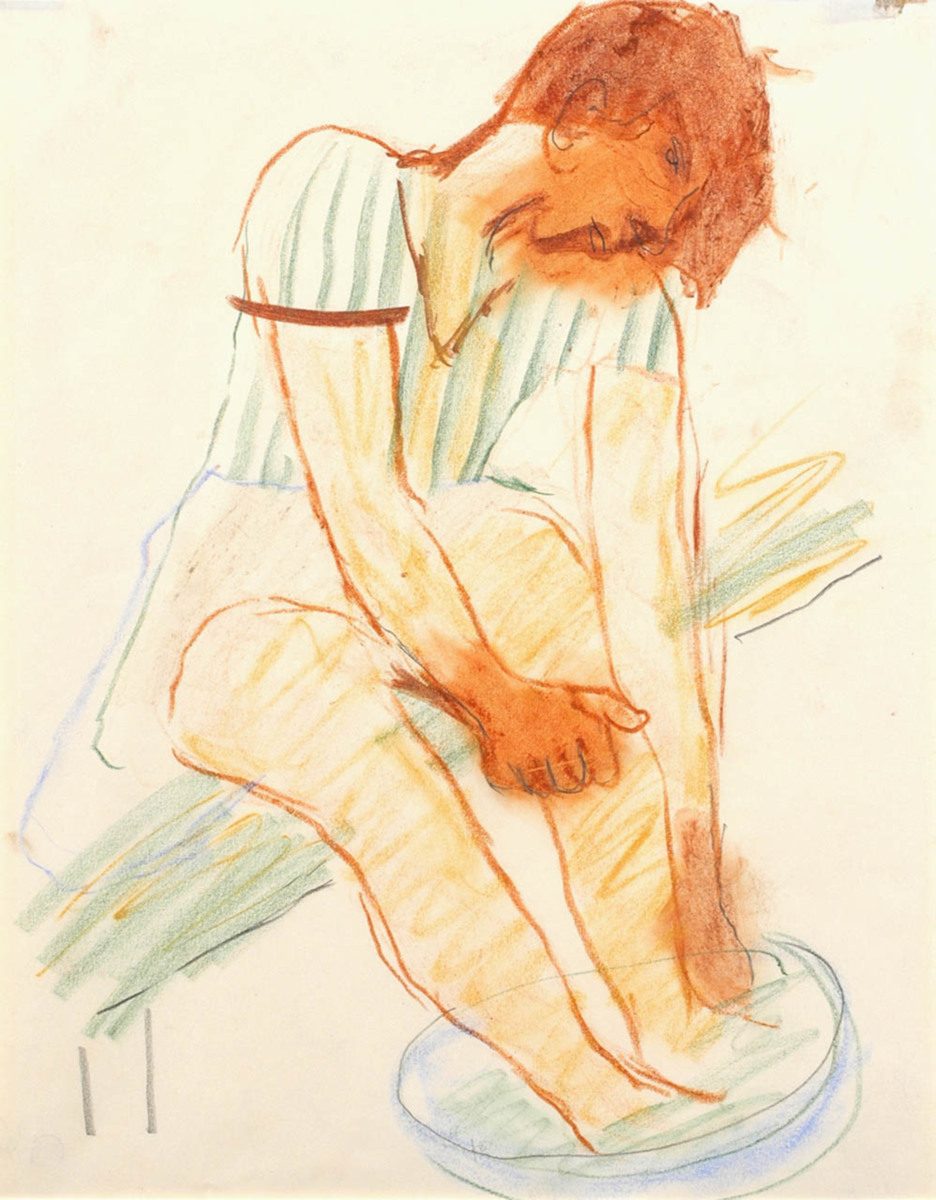
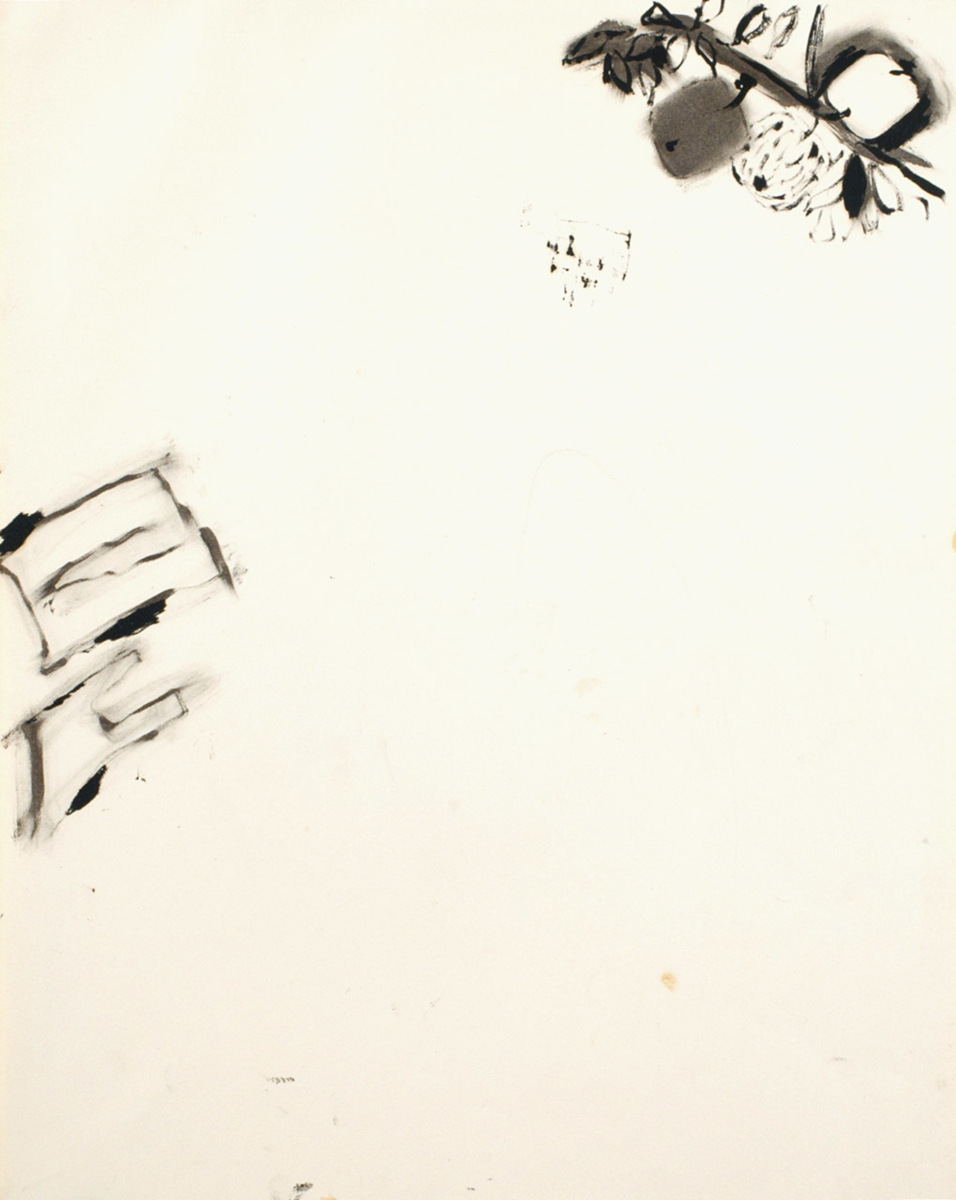
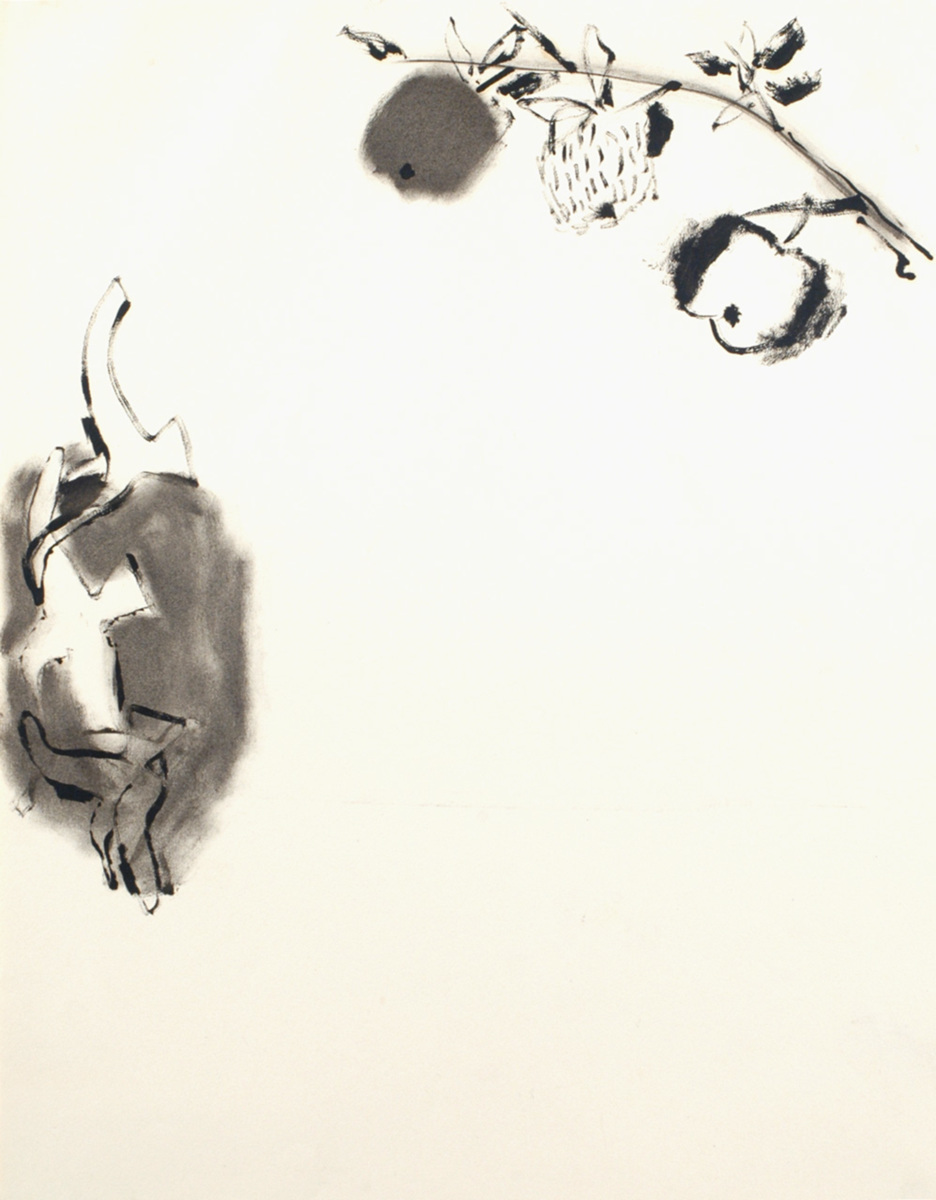
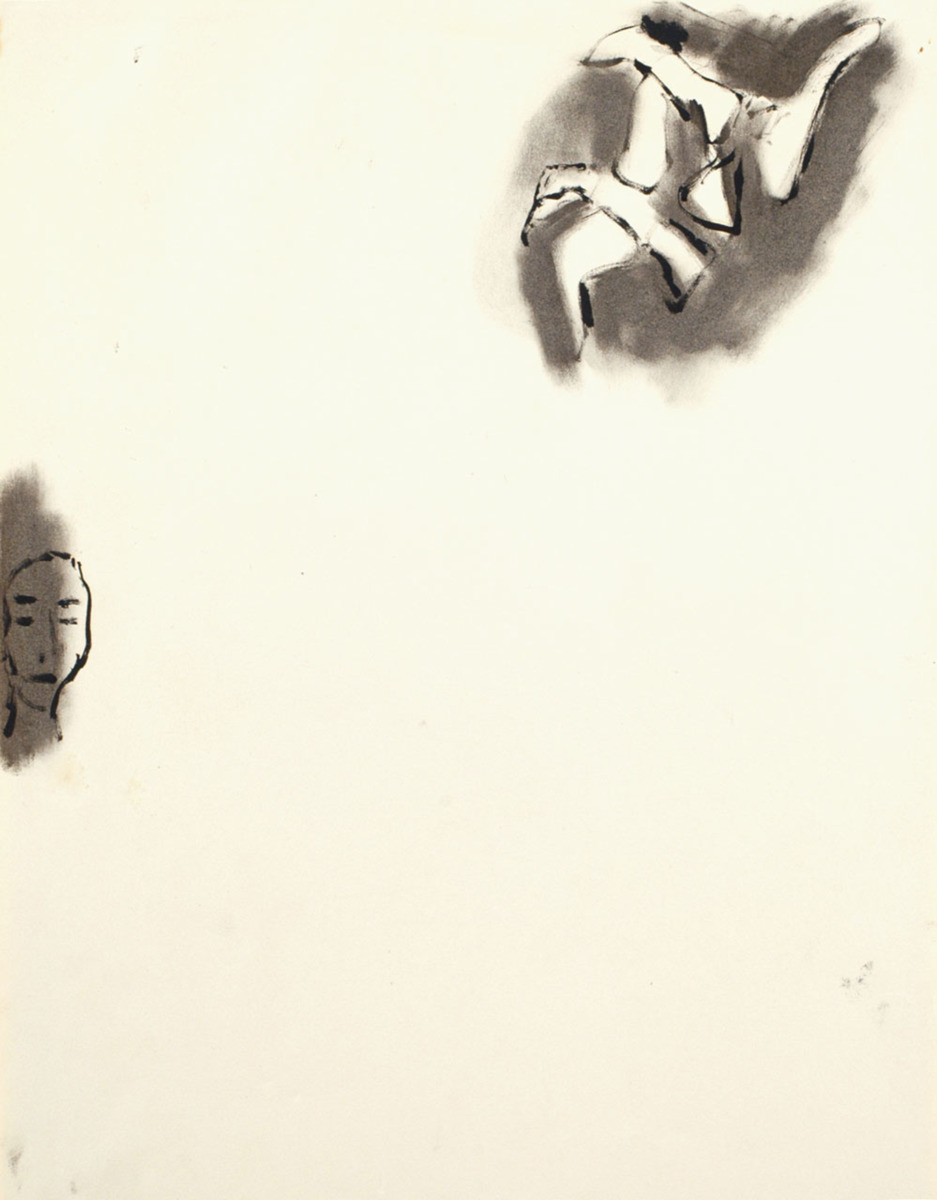
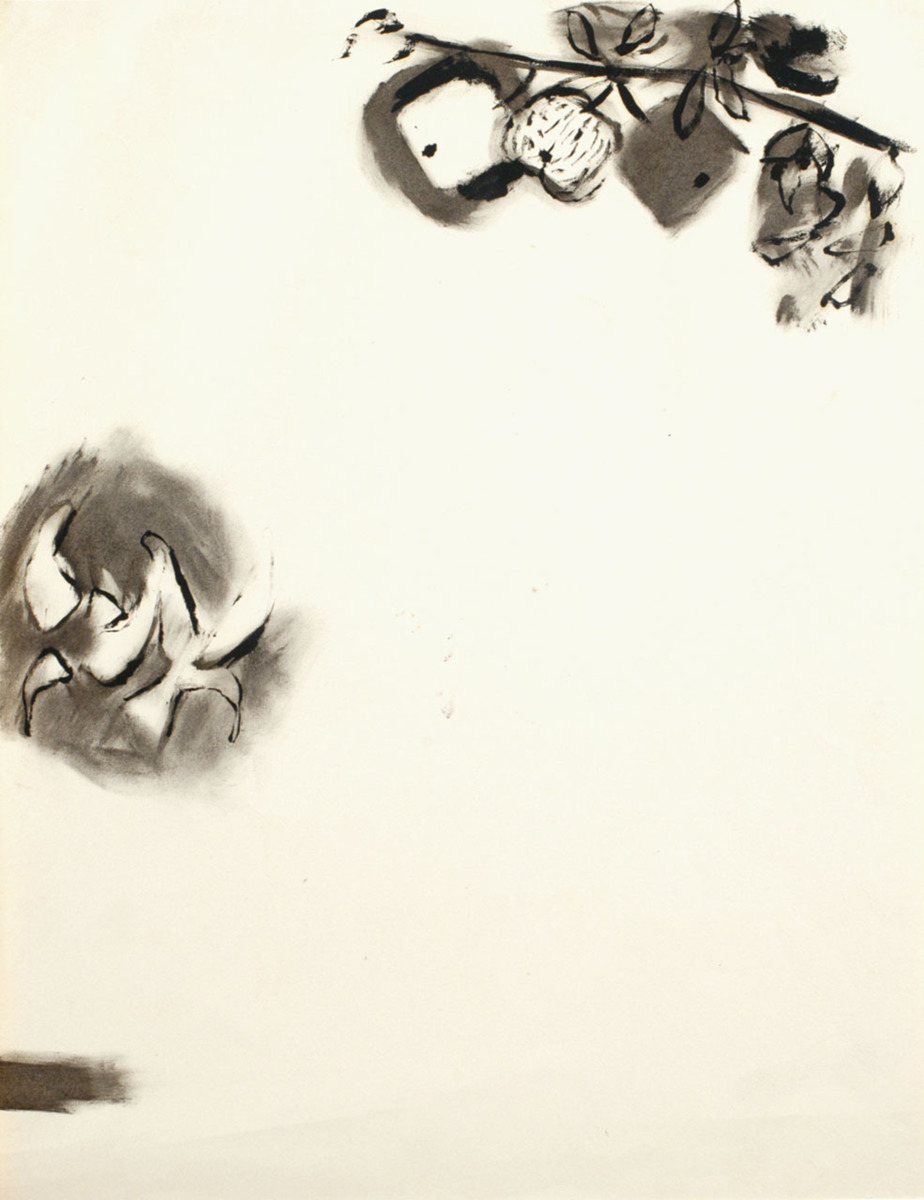
Ragnar Sandberg (1902–1972) was born in Sanne in the county of Bohuslän. He studied at Valand under Bjurström in 1920–5, after which he left for Paris with a couple of artists, where he became a pupil of Marcel Gromaire; but it was his encounter with Pierre Bonnard’s œuvre that was crucial to his development as an artist.
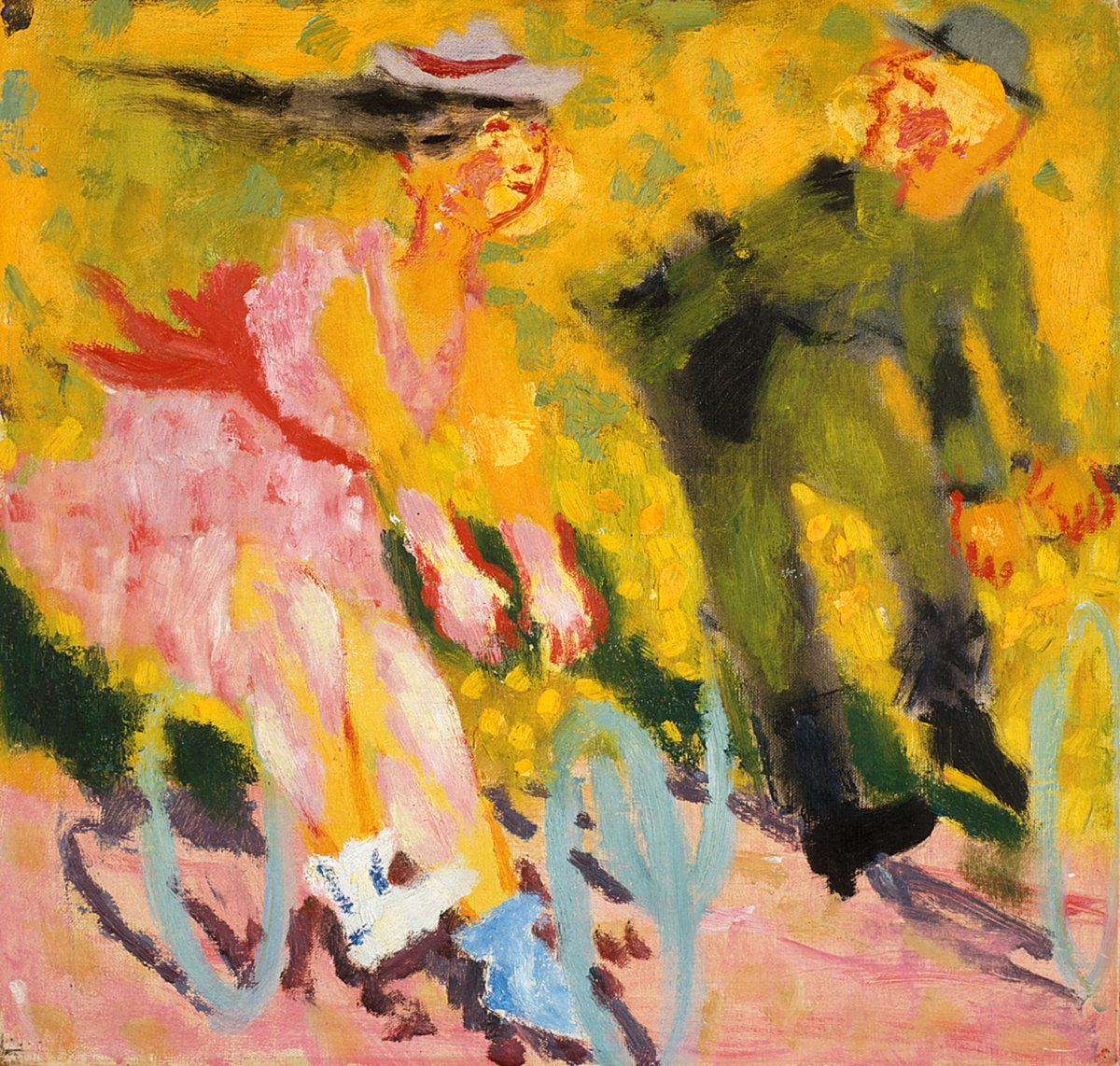
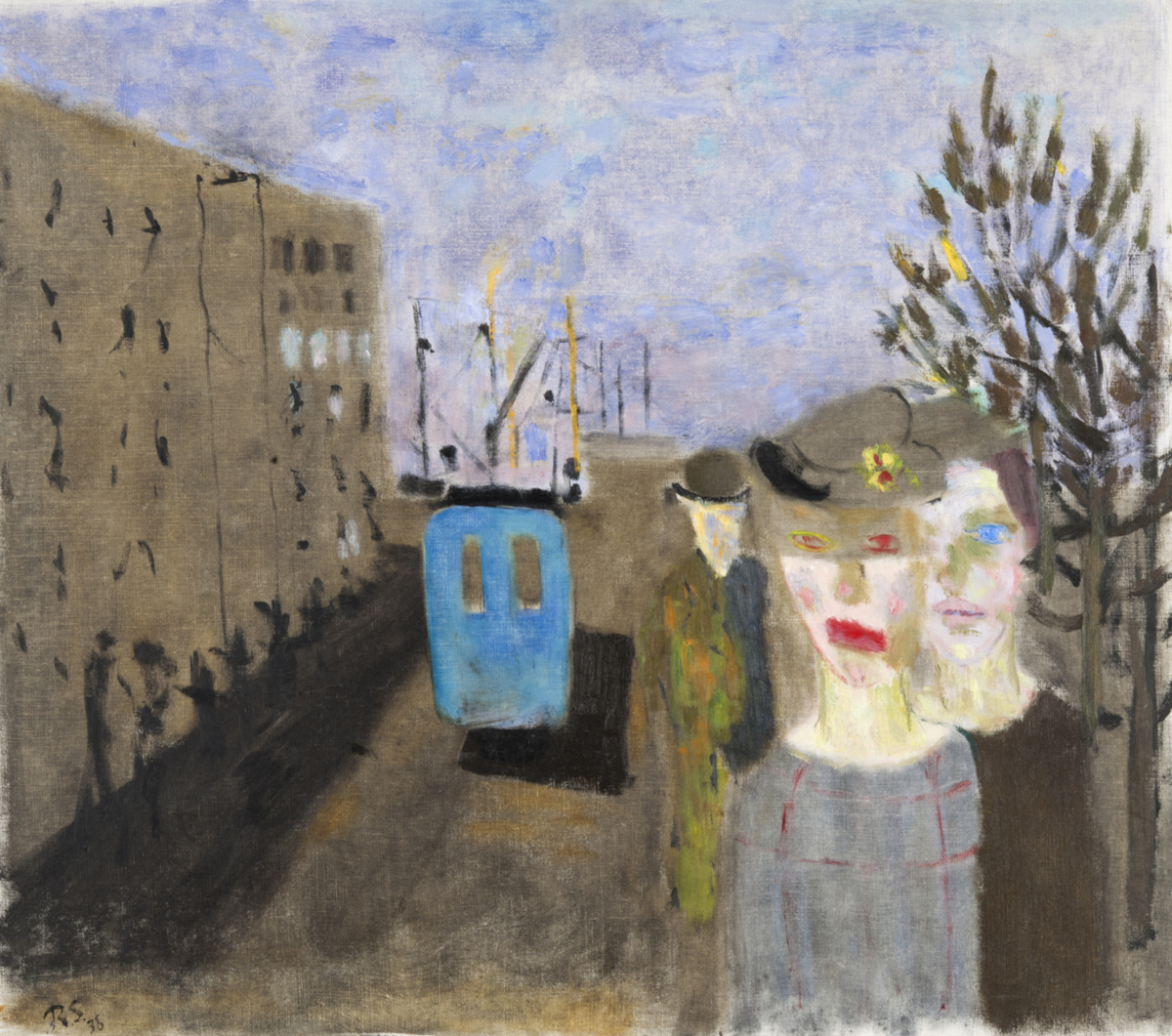
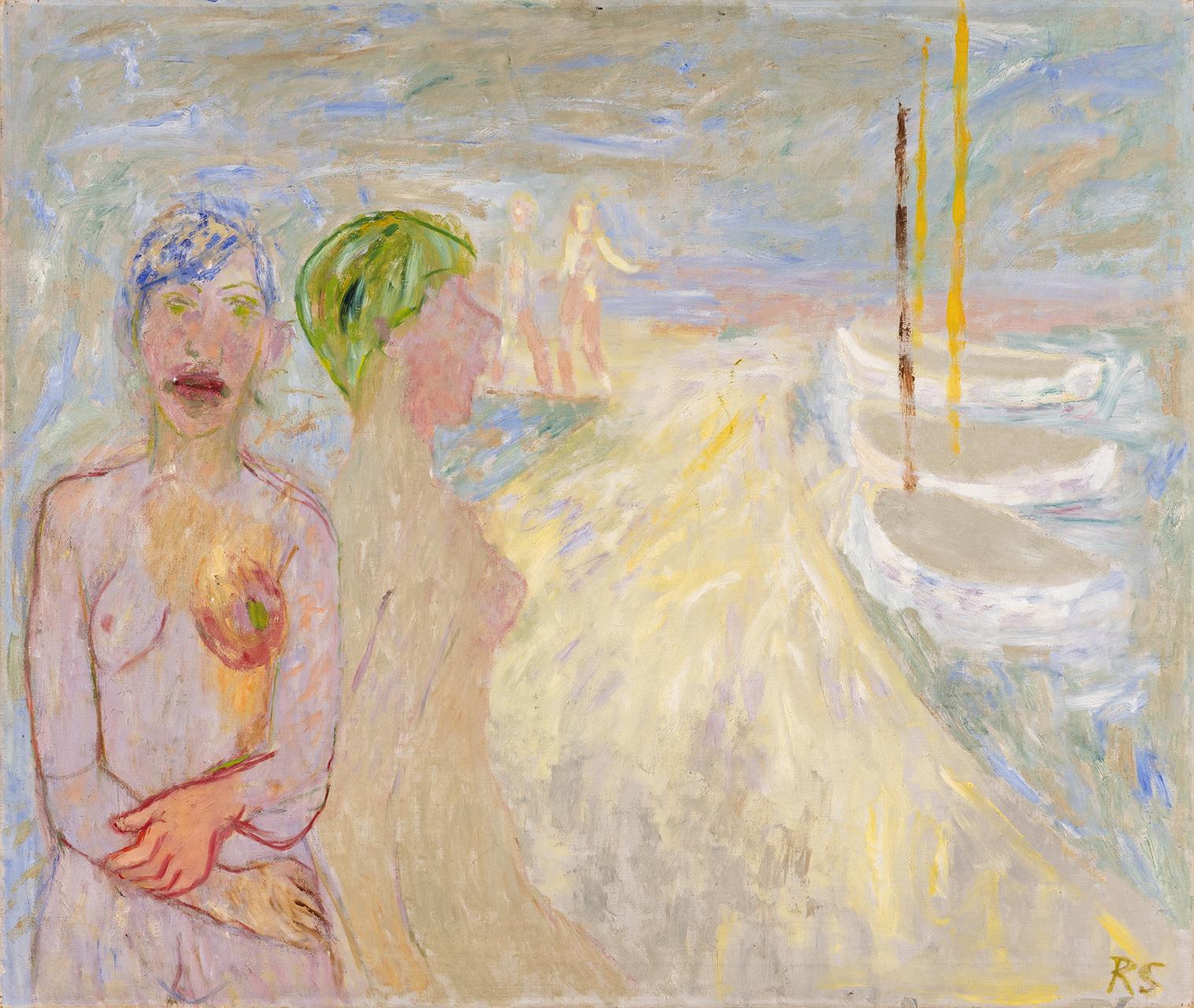
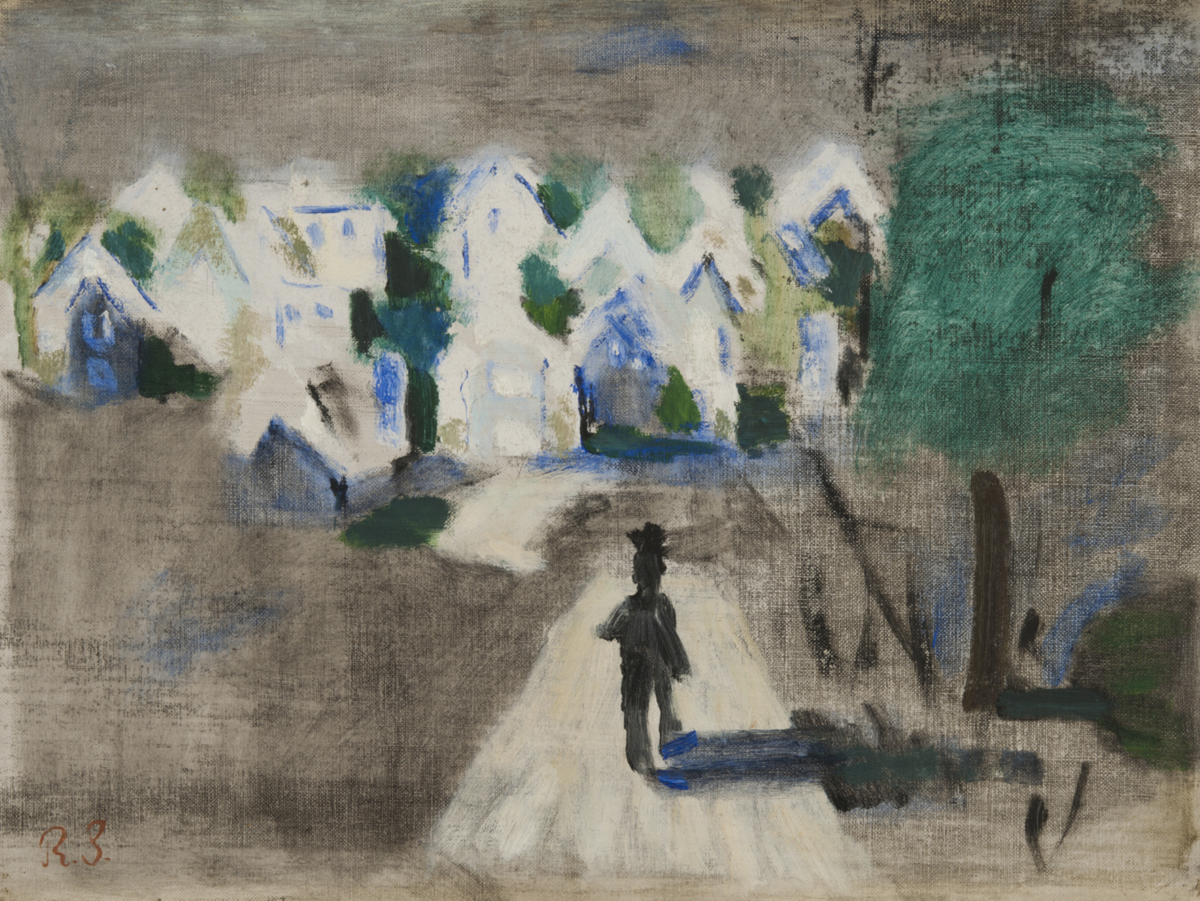
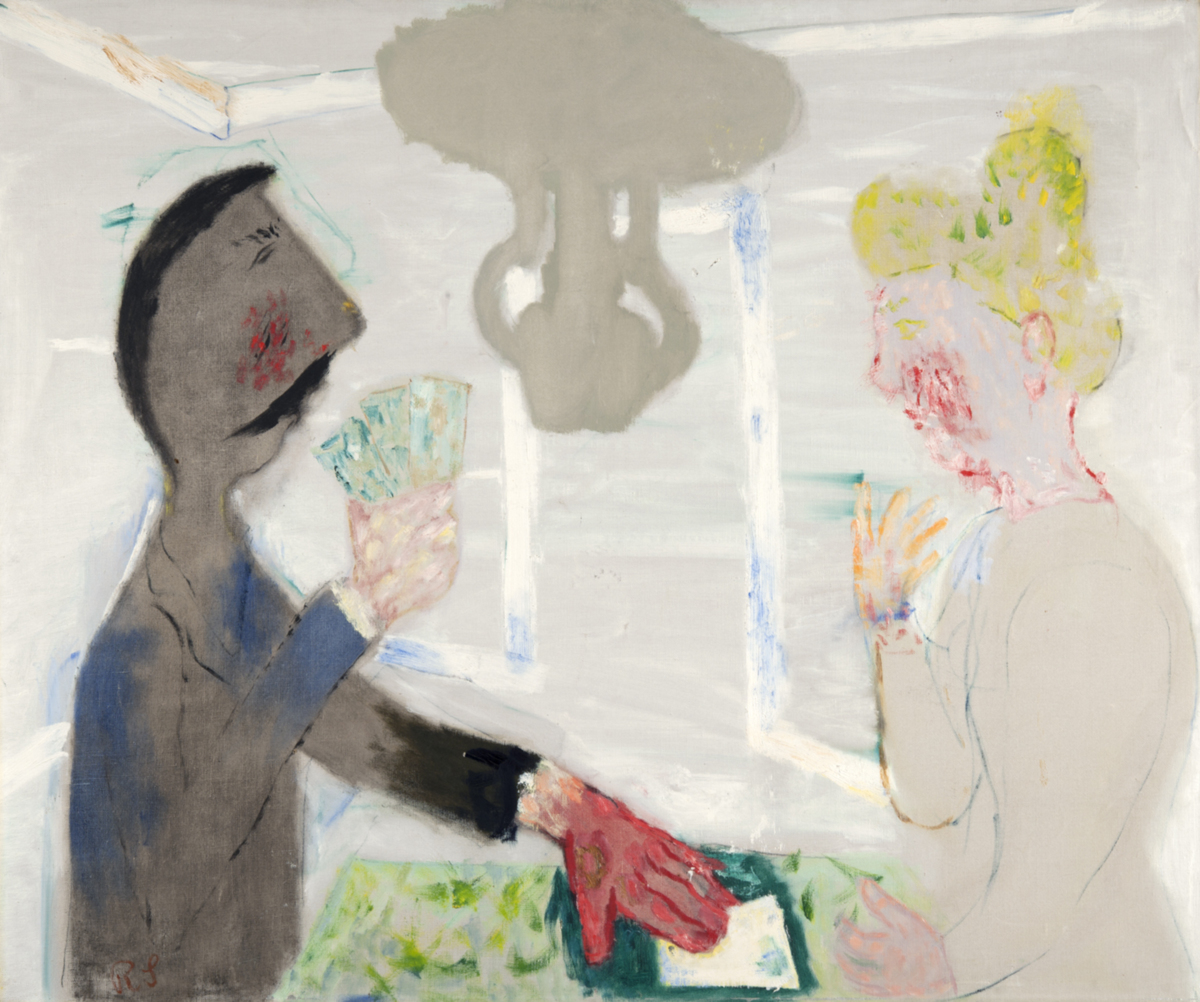
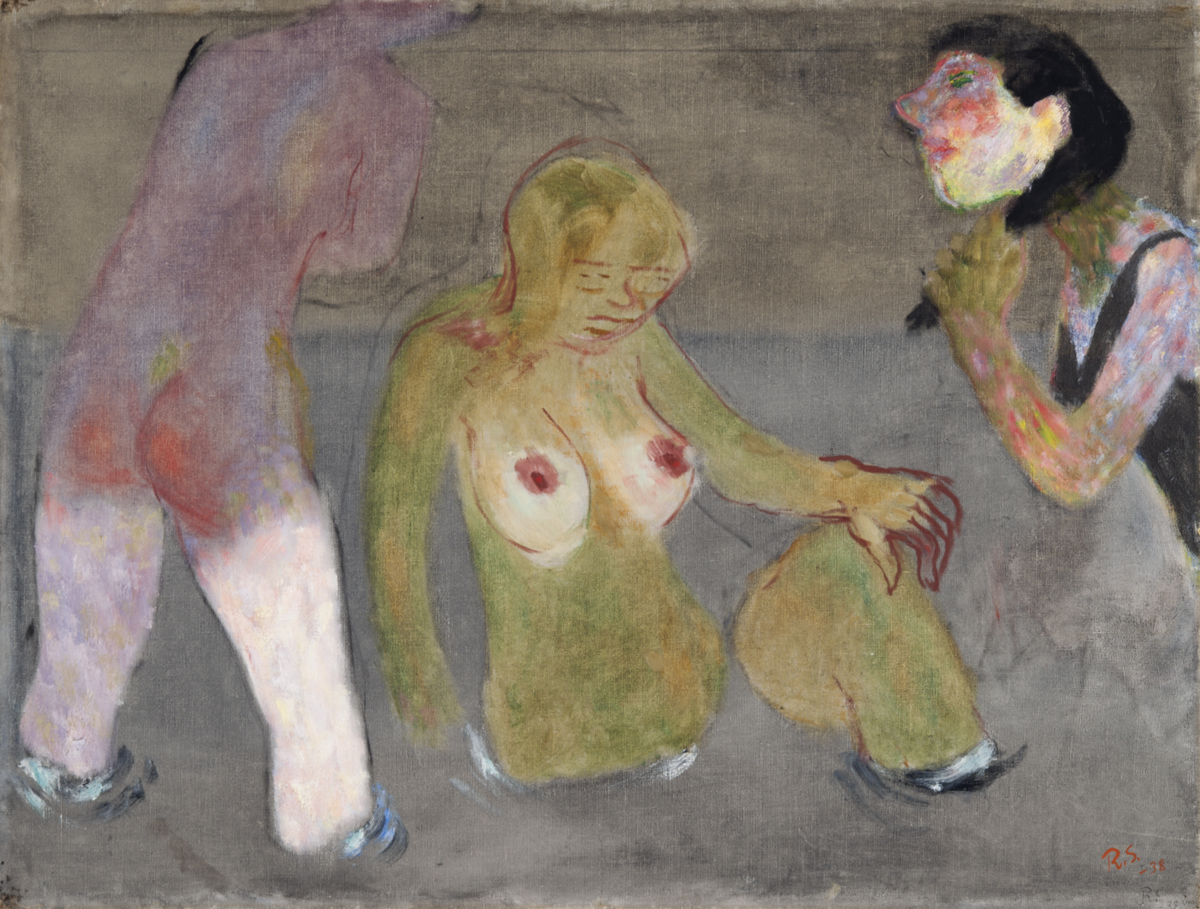
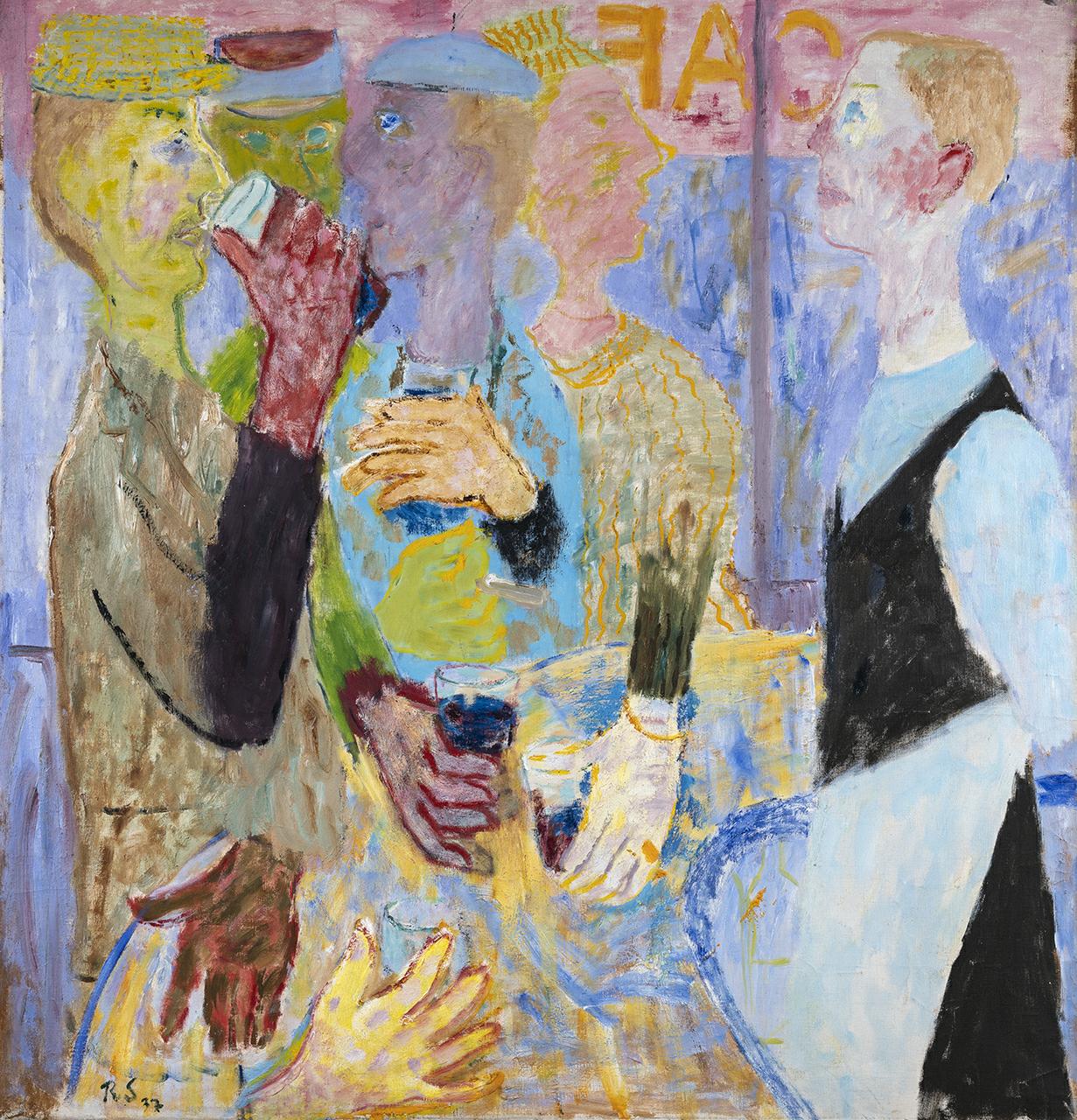
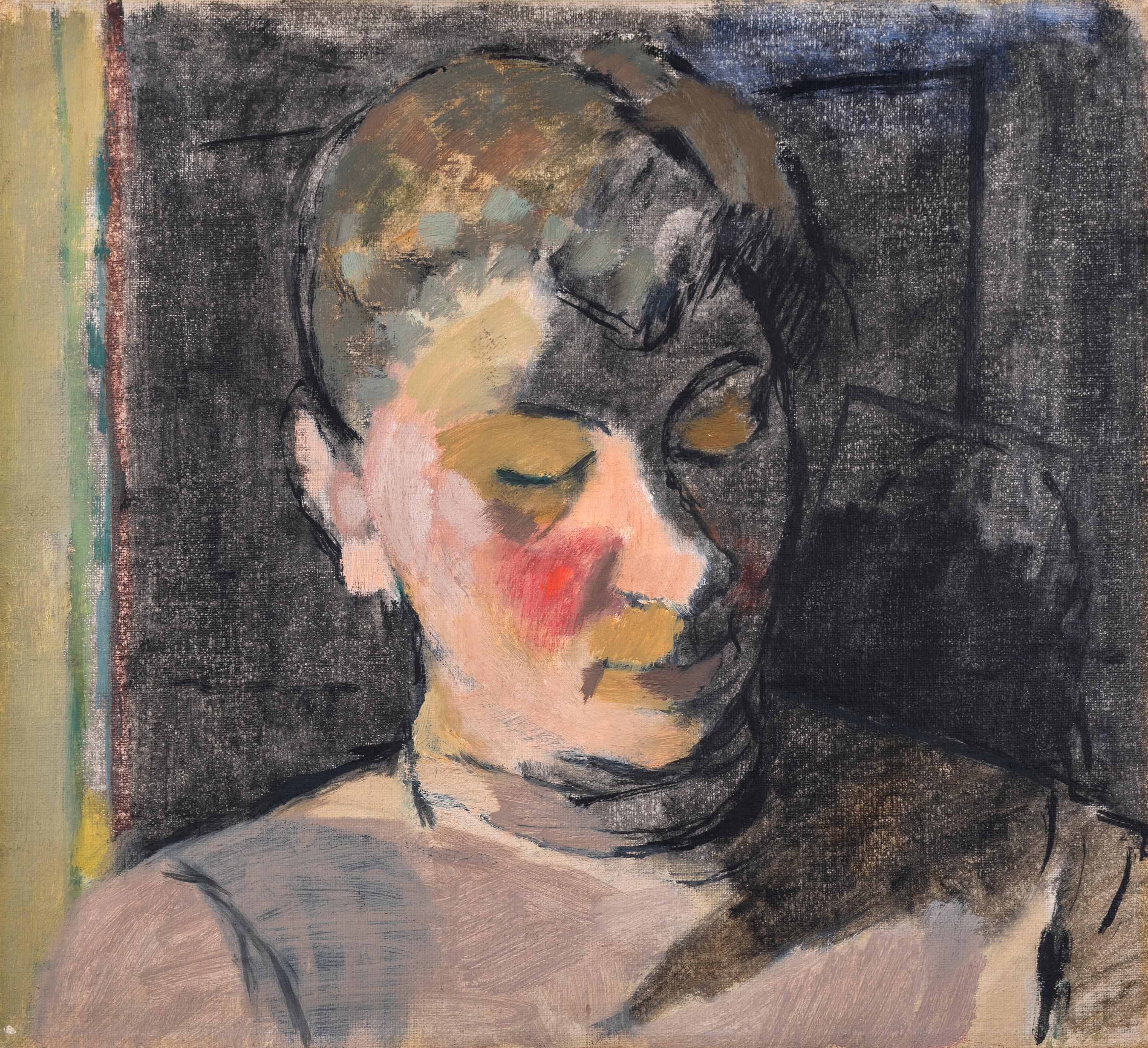
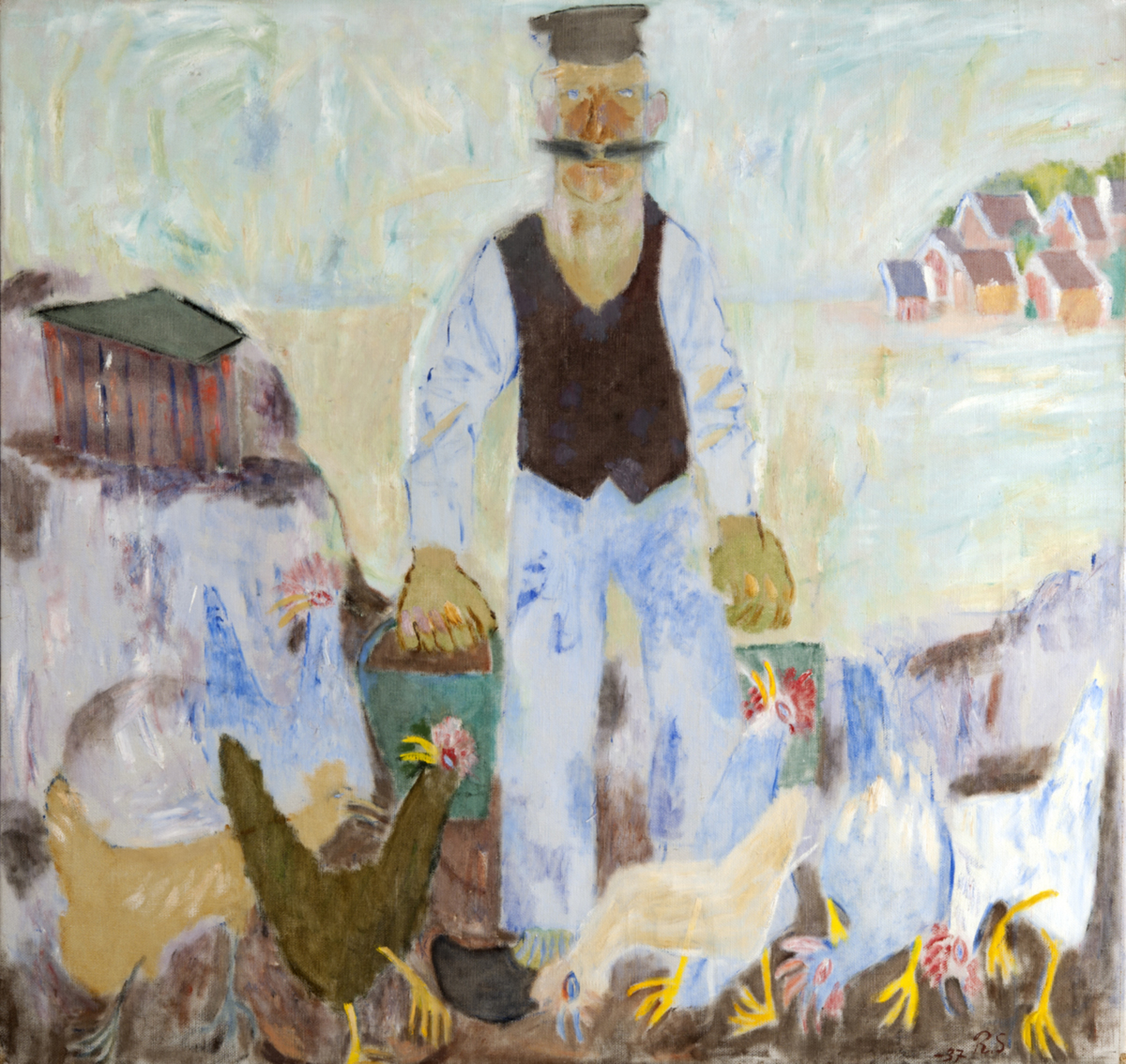
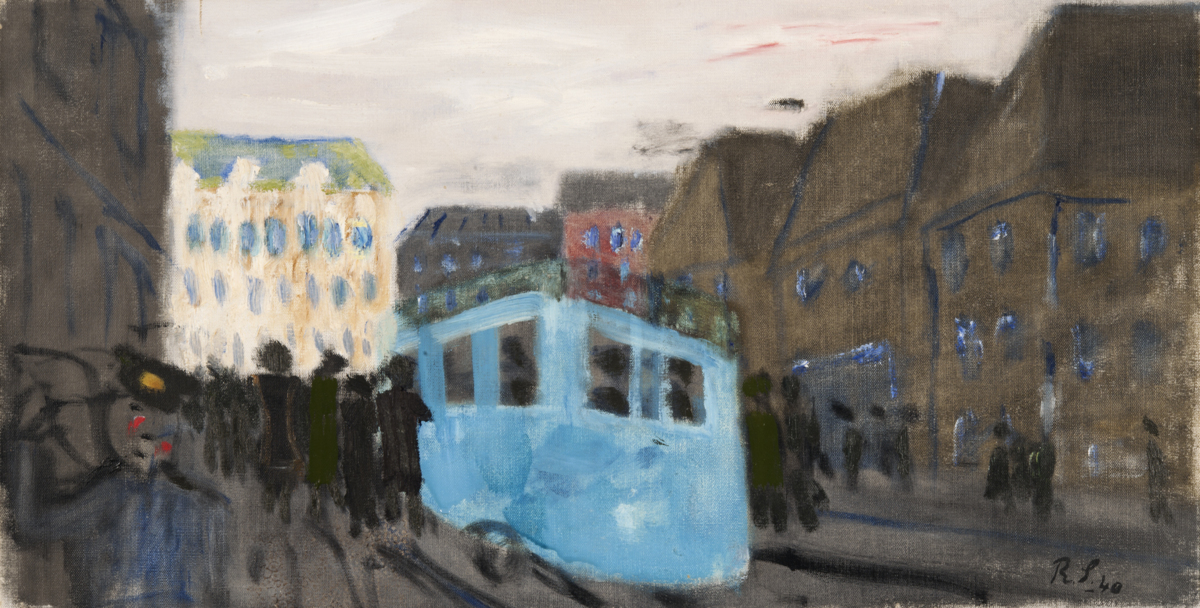
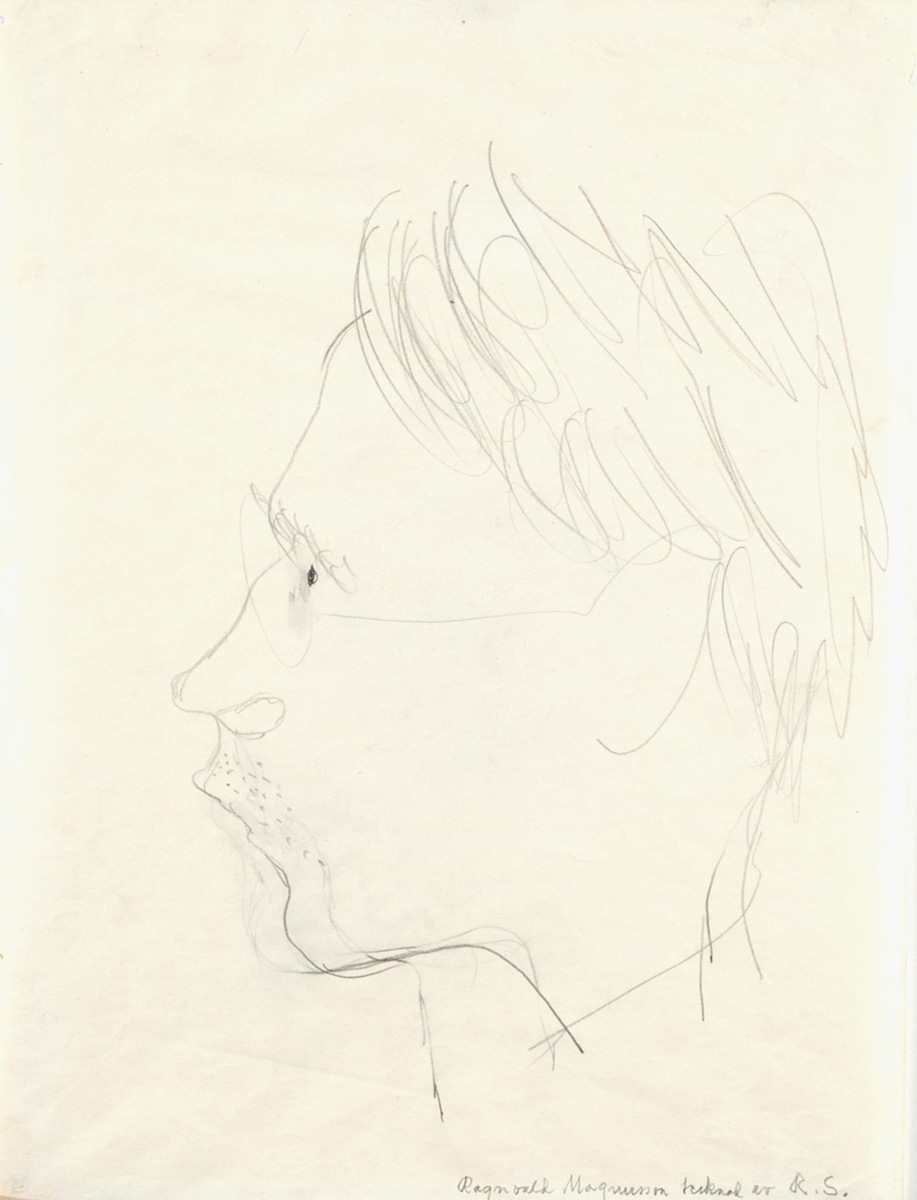
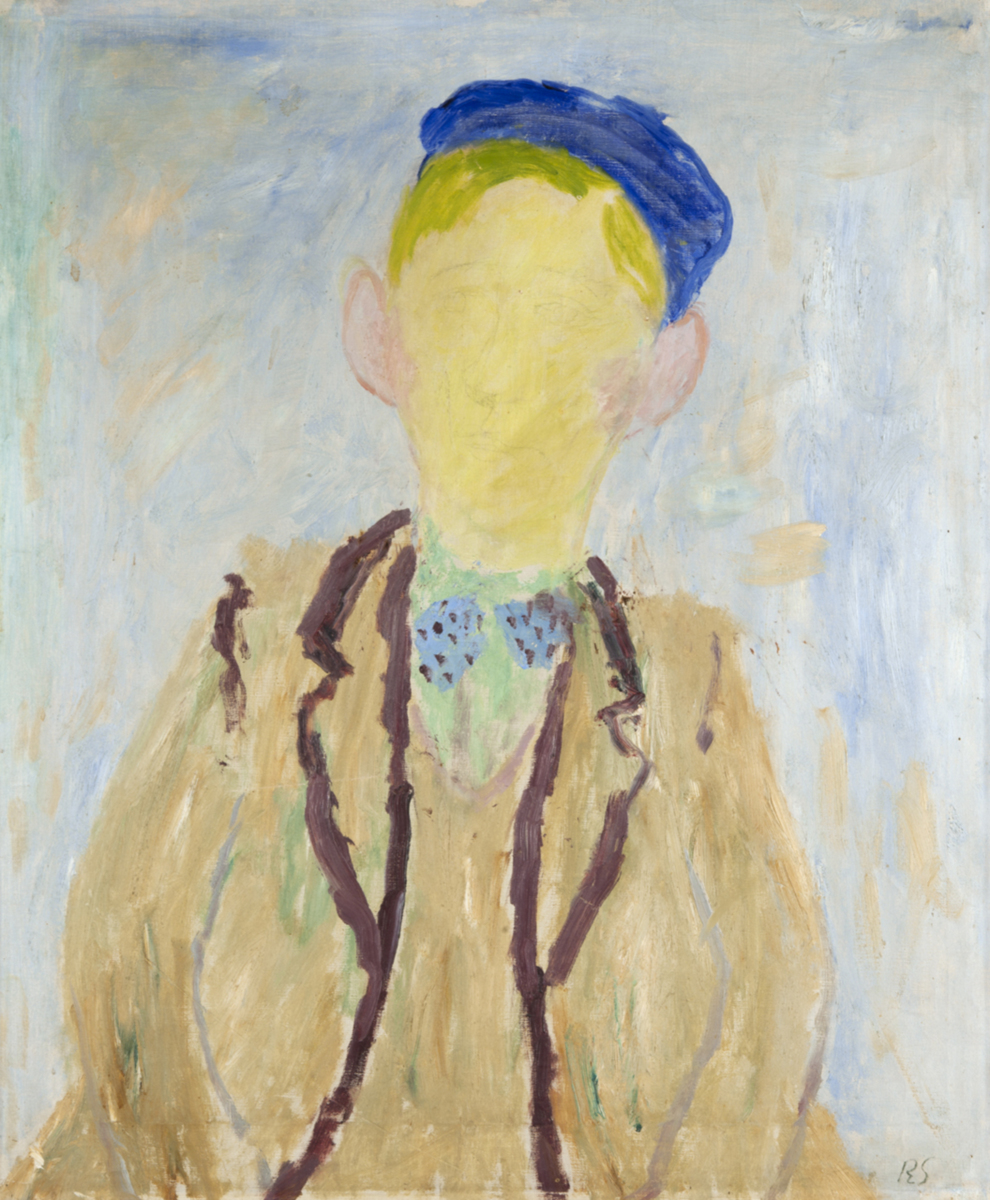
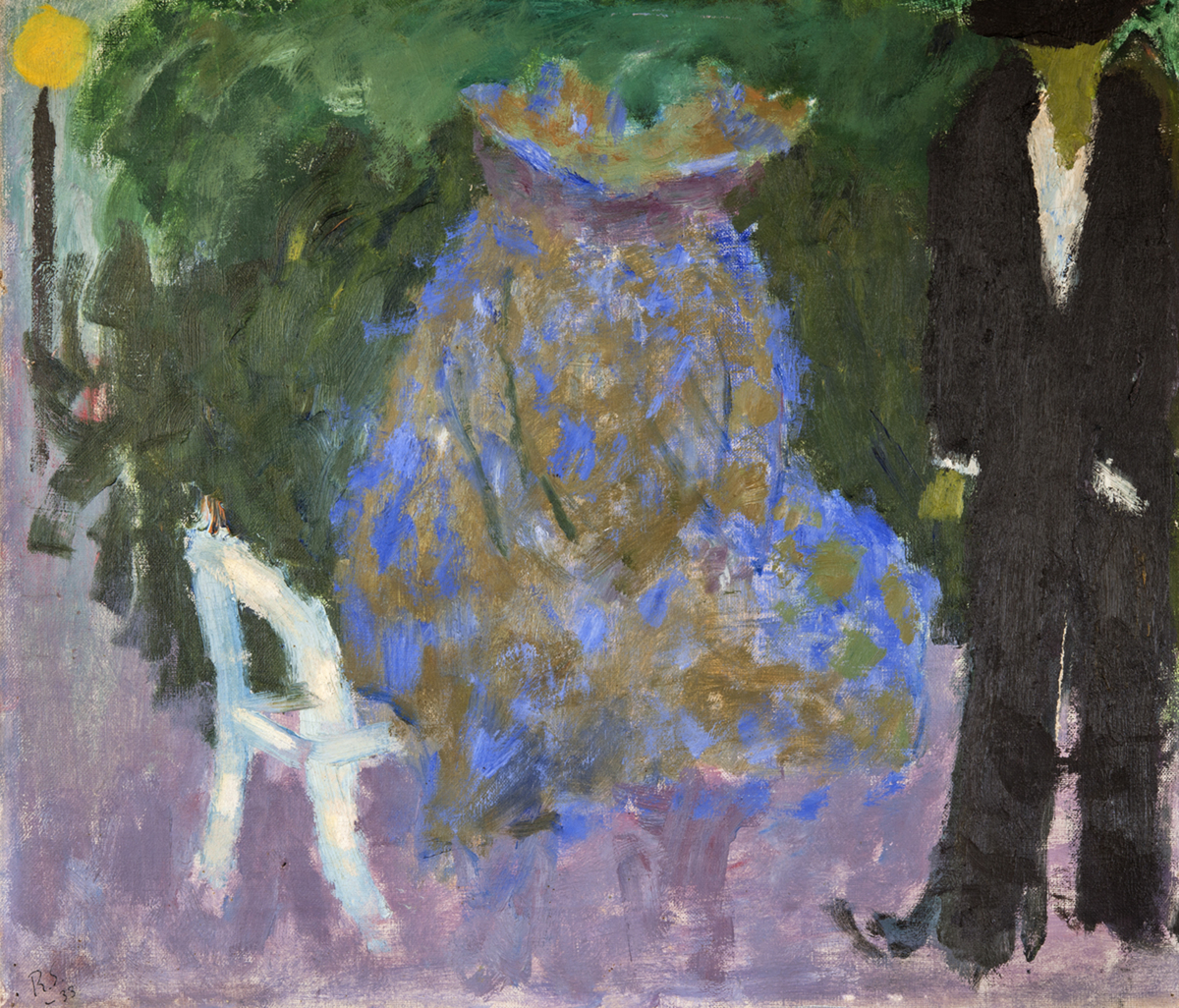
Sandberg was one the Gothenburg Colourists who worked most with naïve and burlesque elements in his pictures. He was also the one who was most exercised by the question of composition, and put greatest efforts into his drawing. In the early 1930s, Sandberg concentrated on strong colour contrasts, which created a shimmering light and the suggestion of movement. A fine example of this is his Cyclists from 1936. Towards the end of the 1930s, he began using a great deal of black and grey, contrasted with a few colour accents in his paintings. This was the technique he used in paintings such as The Blue Bus (1938).
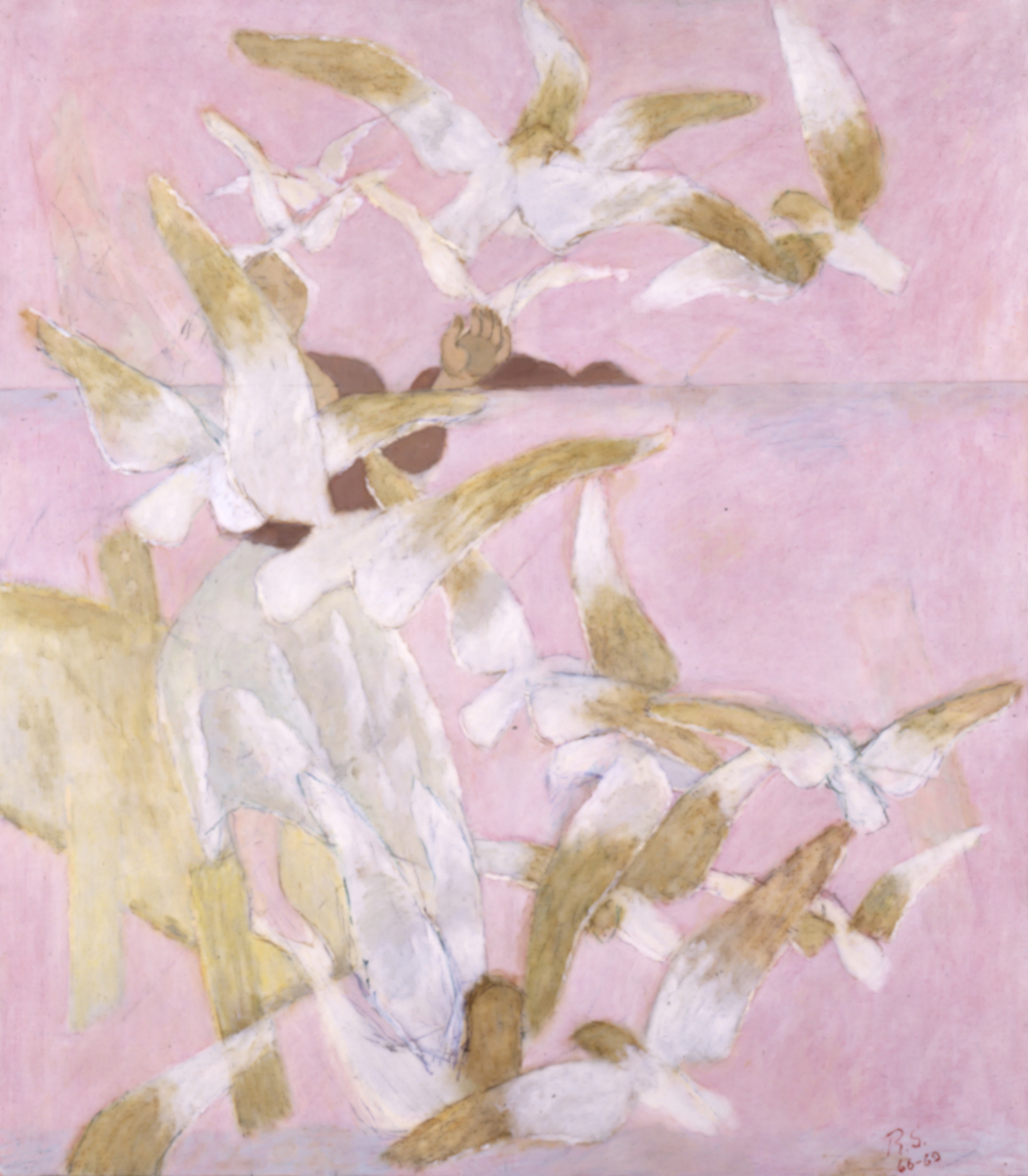
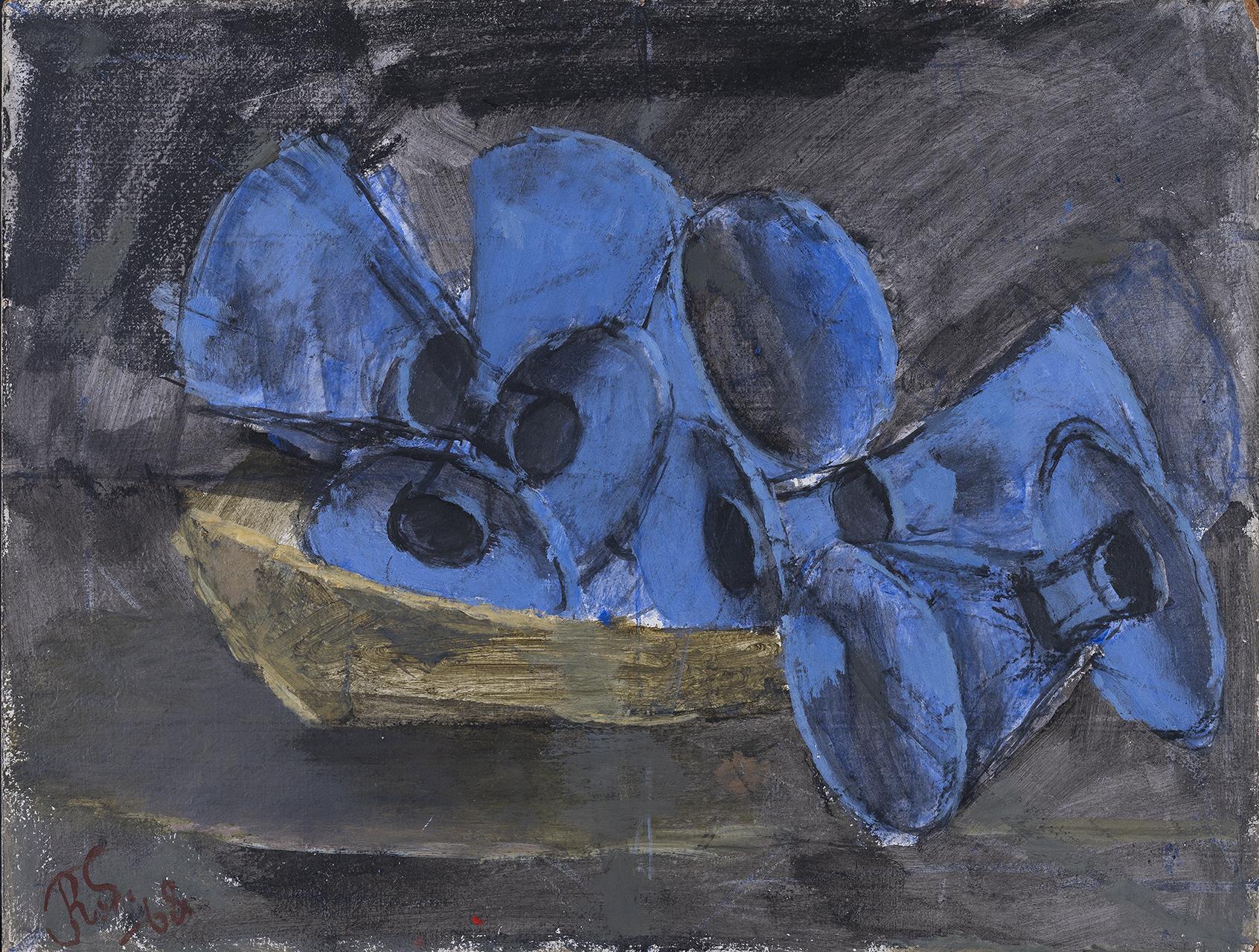
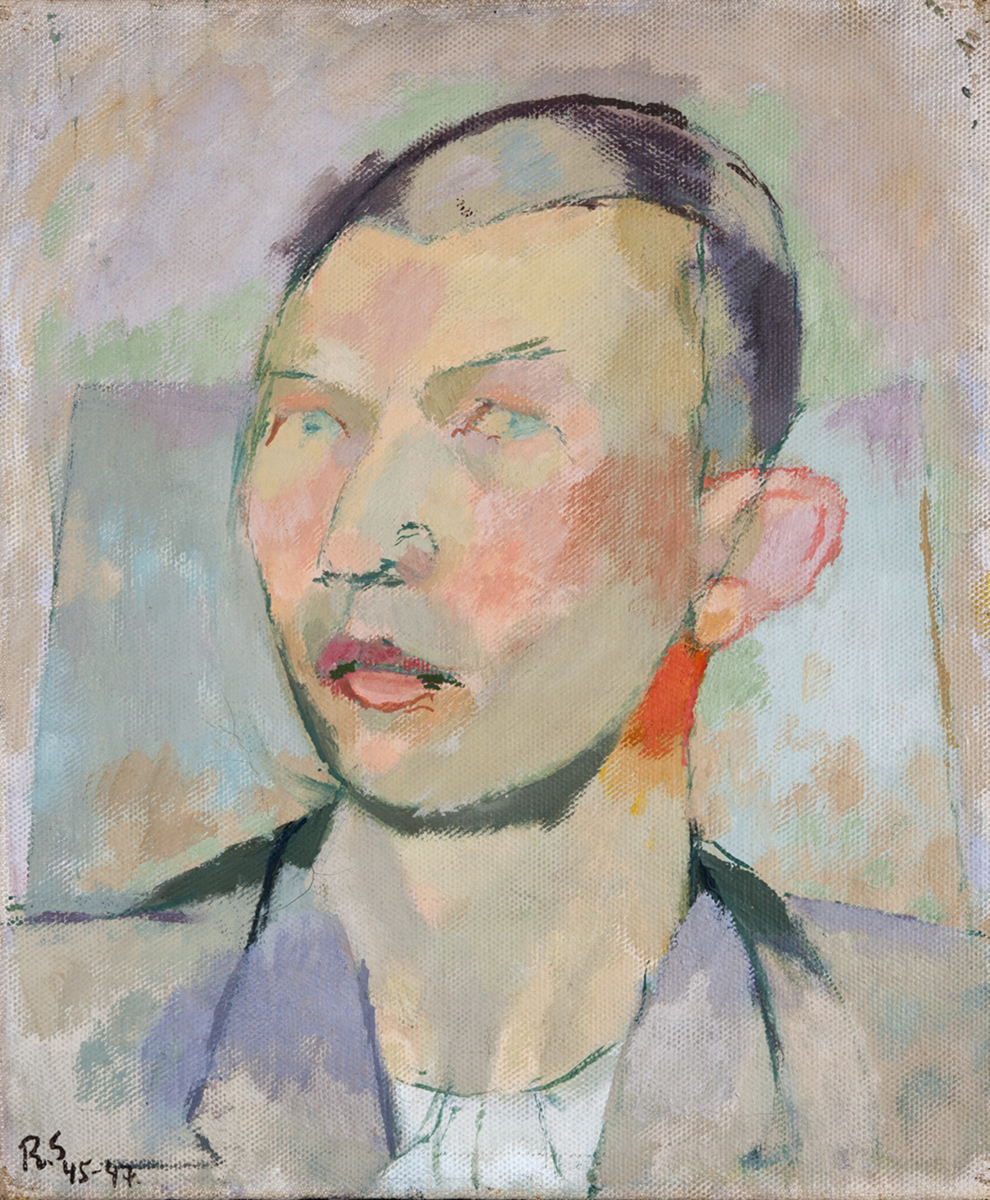
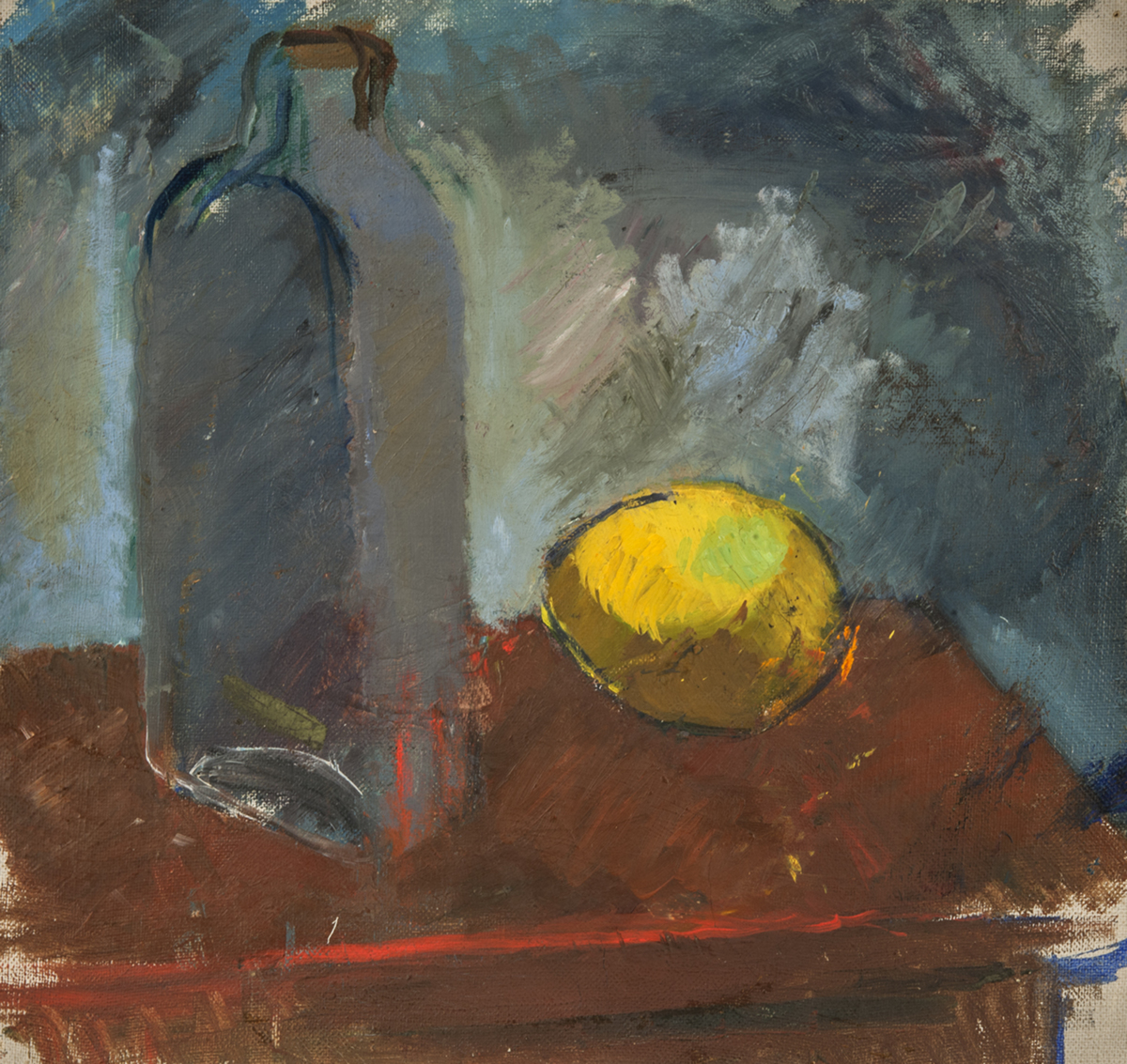
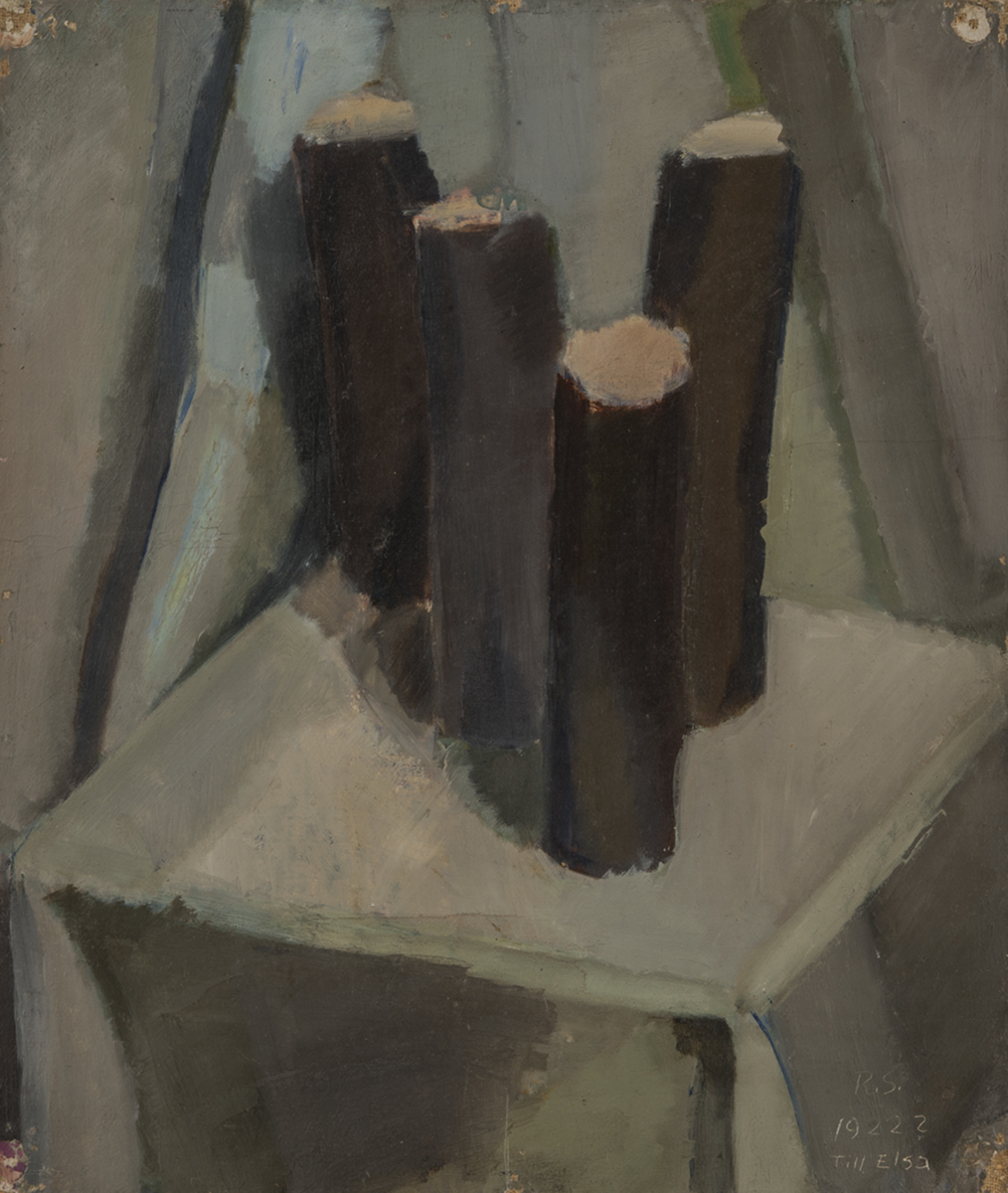
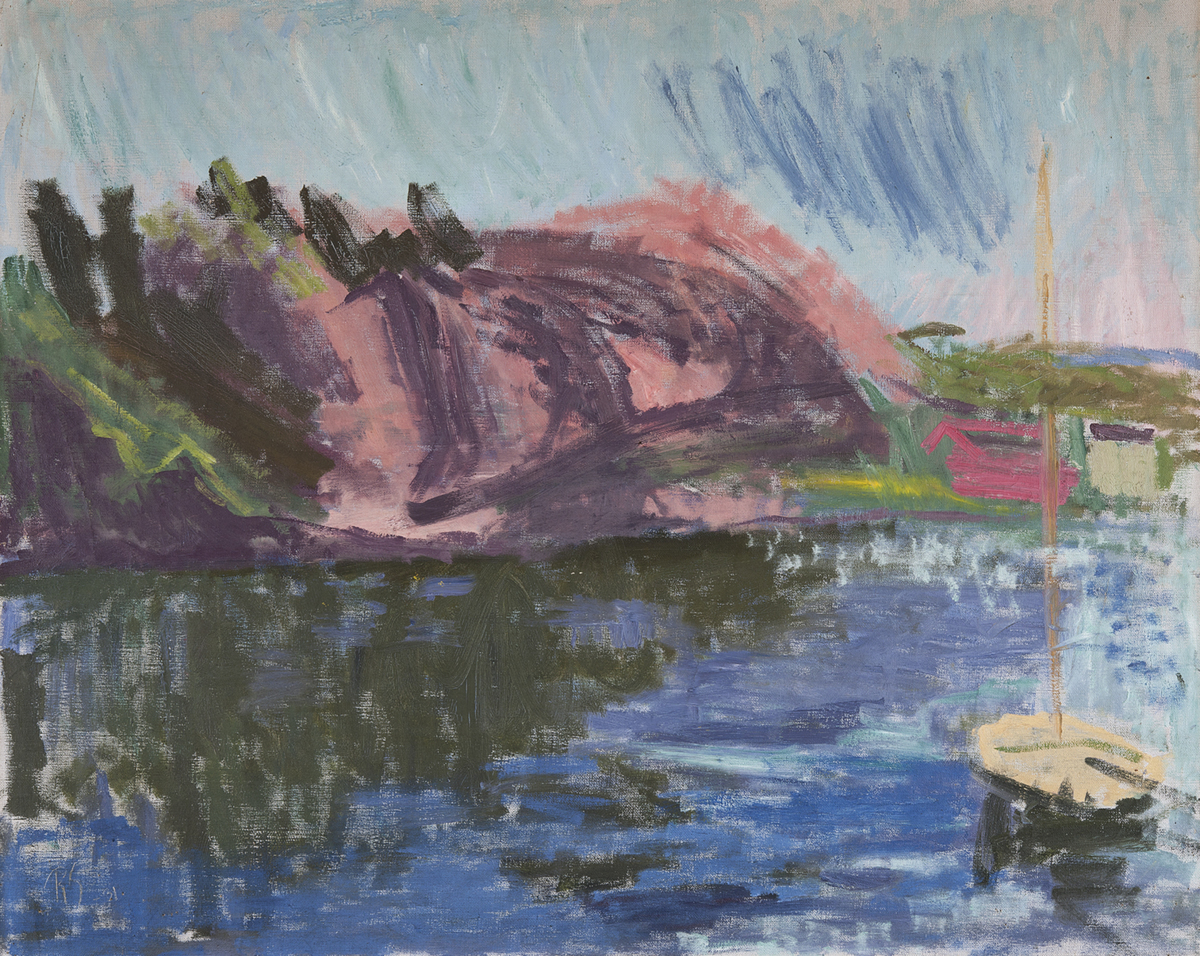
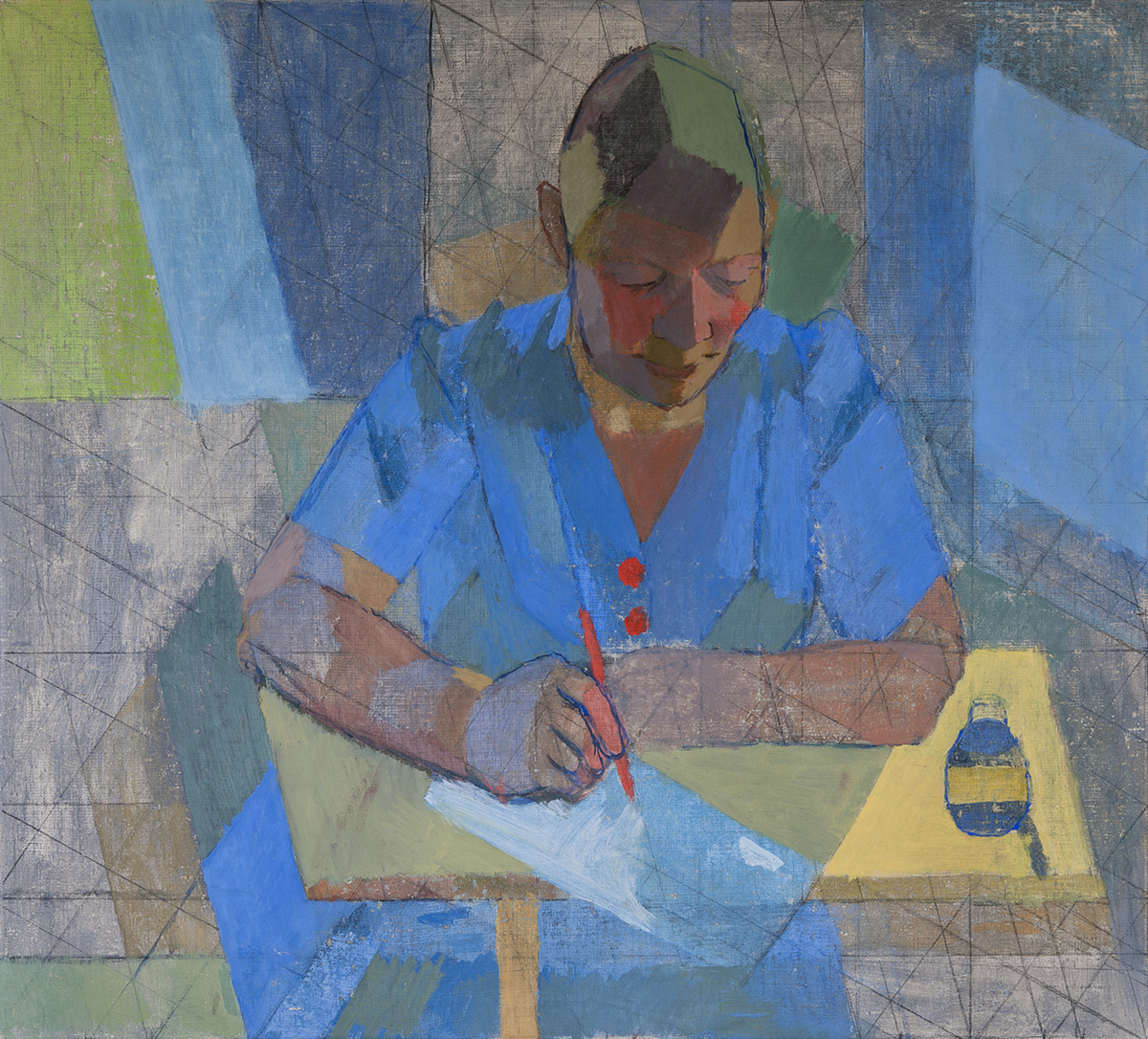
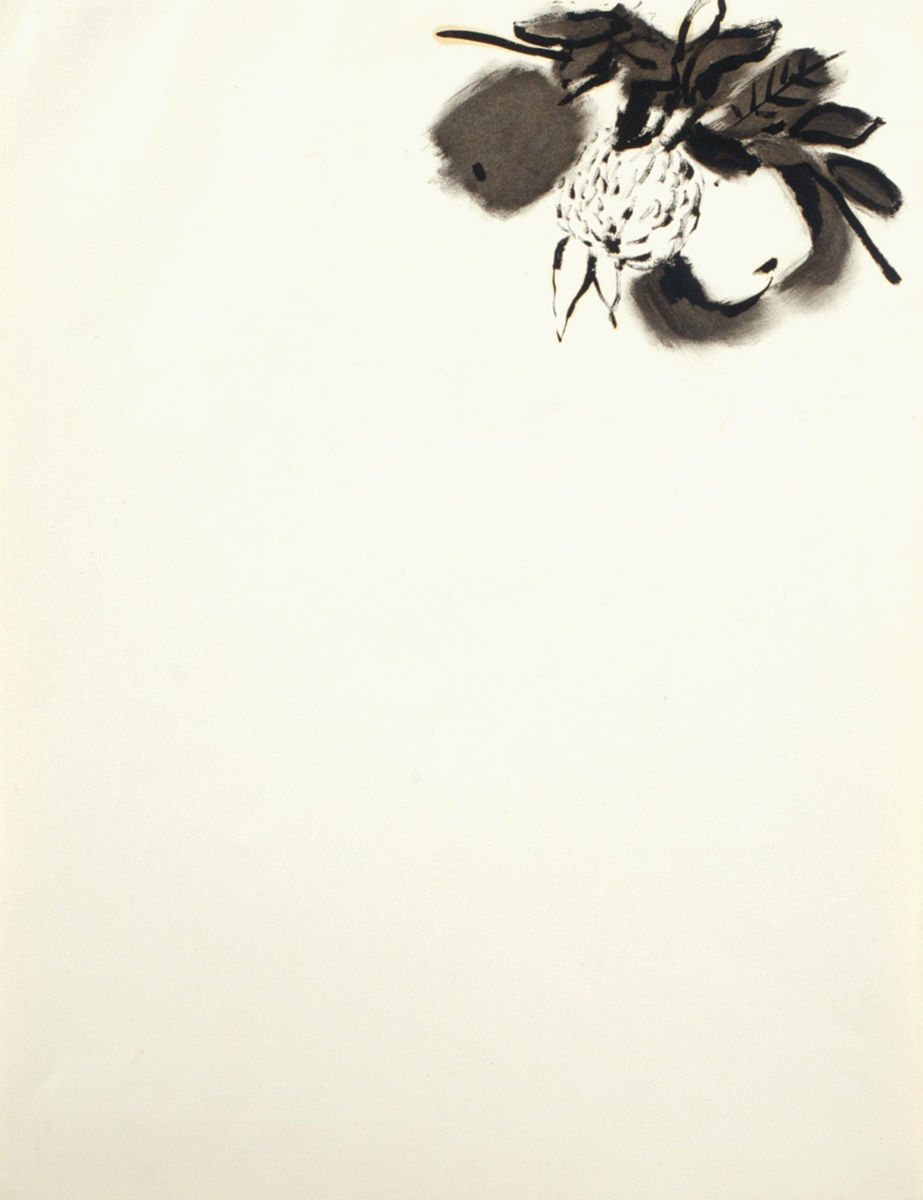
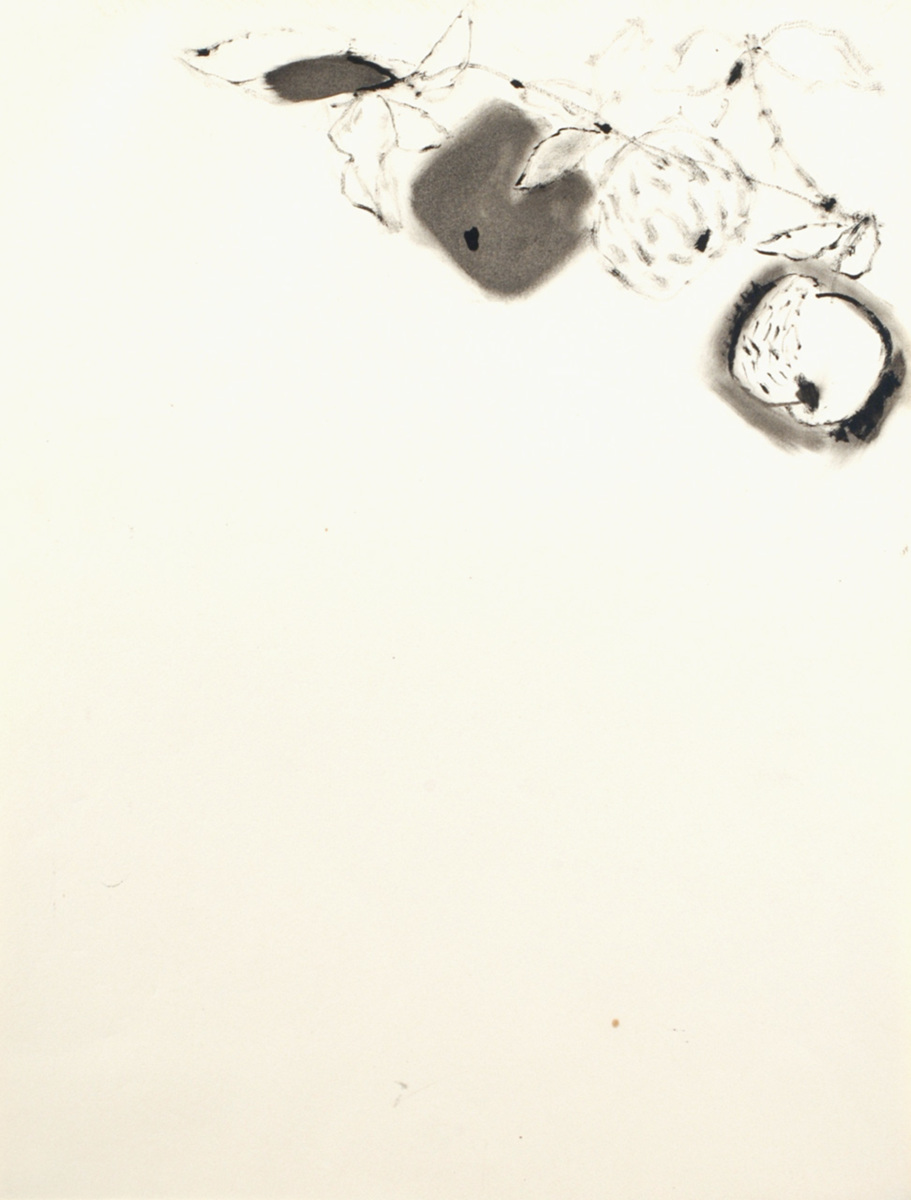
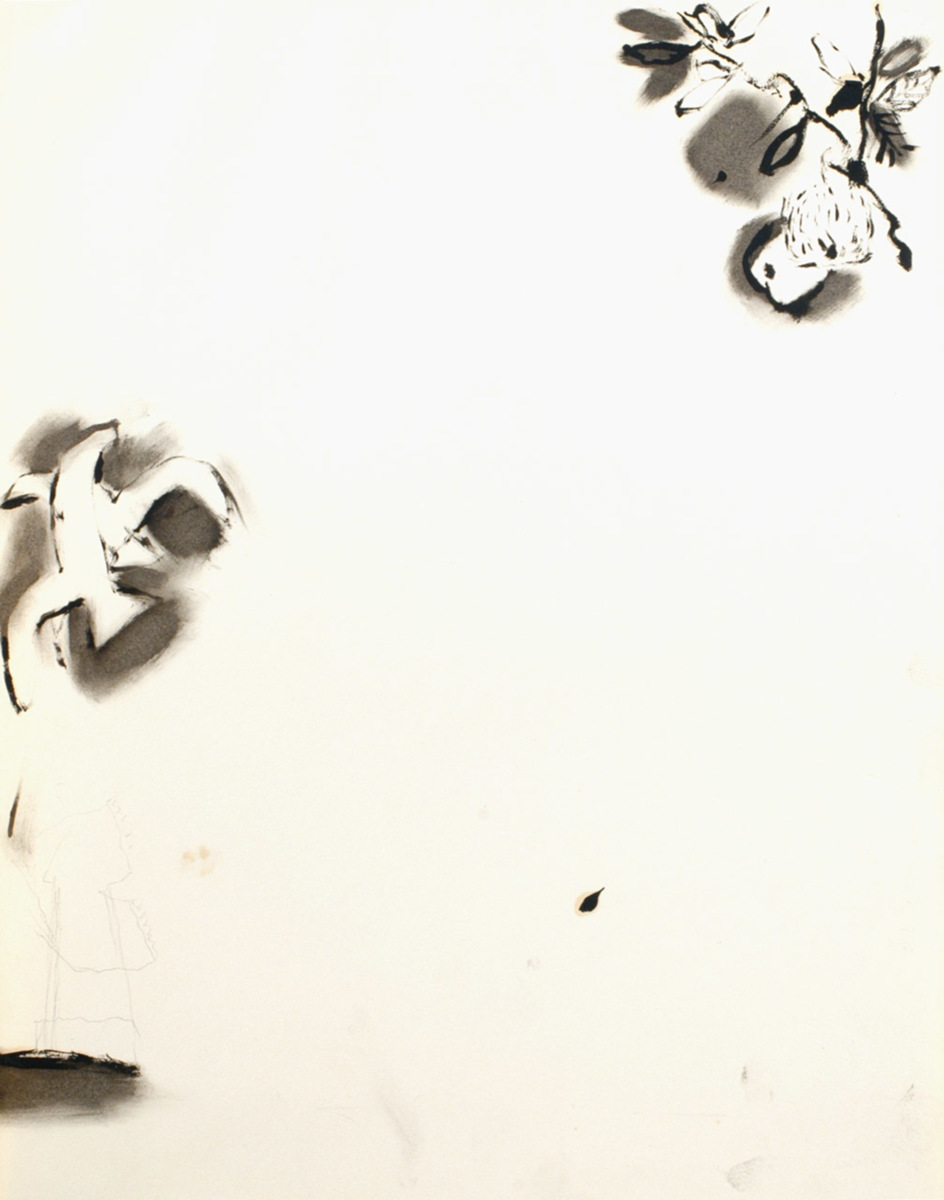
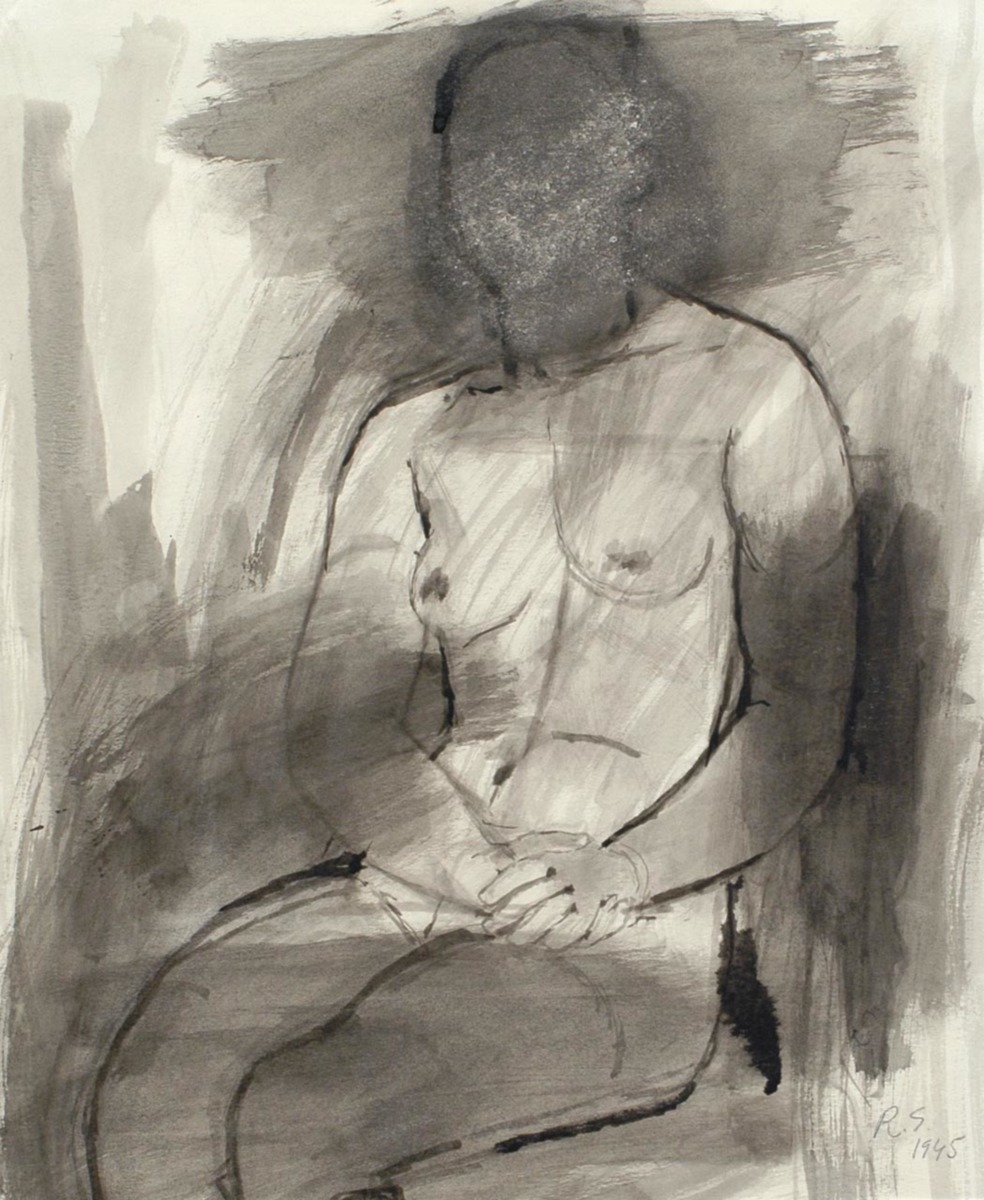
Sandberg moved to Stockholm in 1947, where he spent a decade as a professor at the Royal Academy of Arts. His Stockholm years changed the way he painted—he concentrated far more on his drawing; his pieces were much smaller; he painted almost only still lifes or studies from life; and he composed his pictures according to Renaissance and Baroque principles—yet the move to Stockholm did not mean that he ceased to be thought a Gothenburg Colourist, and he remained in touch with the West Coast, where he spent his summers. In 1966–72, he revisited some of his 1930s motifs, painting them afresh.
Per Dahlström
Related Artworks