Published: 27.01.2026
Good Children and Strong Emotions - Images of Children in Children's Literature
For many of us, illustrations in children’s books are the first images we encounter in life. Childhood imagery can leave lasting impressions. The Friends of Children's Book Illustrations was founded in 1989 with the aim of preserving and elevating the status of illustration in children’s literature. The society has donated more than 2,500 original works by Nordic illustrators to the Gothenburg Museum of Art—one of the main reasons the museum has become a leading centre for the art of children’s books.
The collection reflects the evolution of children’s book illustration over the past century. One theme that has changed significantly is the depiction of children's emotions and behaviour. Below are a few examples.
In the mid-19th century, children’s books were often didactic, presenting examples of proper conduct. Child protagonists were well-behaved and agreeable, and stories were told from an adult perspective that seldom resembled children’s real lives. In the early 20th century, this tradition was continued by artists such as Ottilia Adelborg, Elsa Beskow, and the Norwegian illustrator Louis Moe.
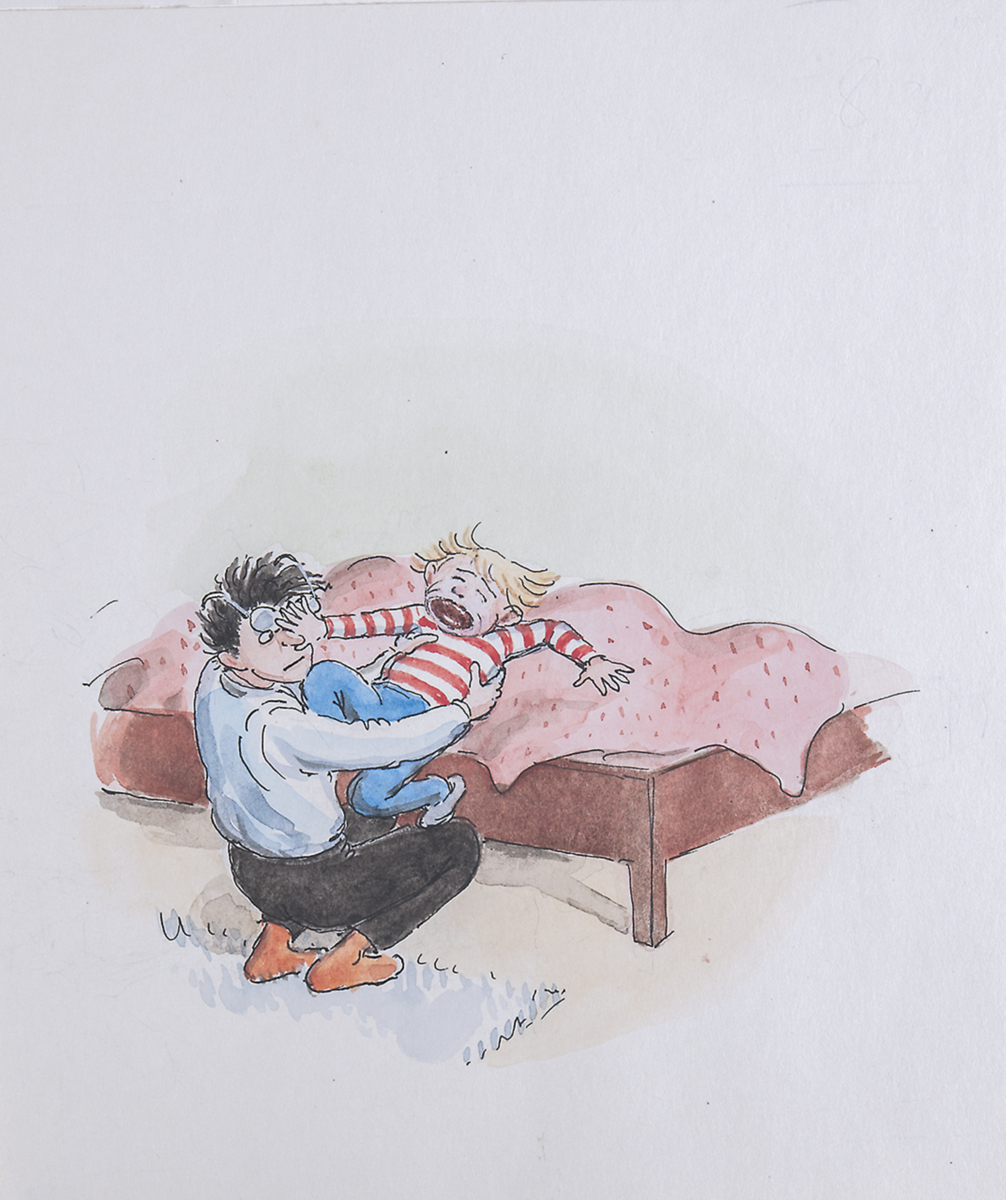
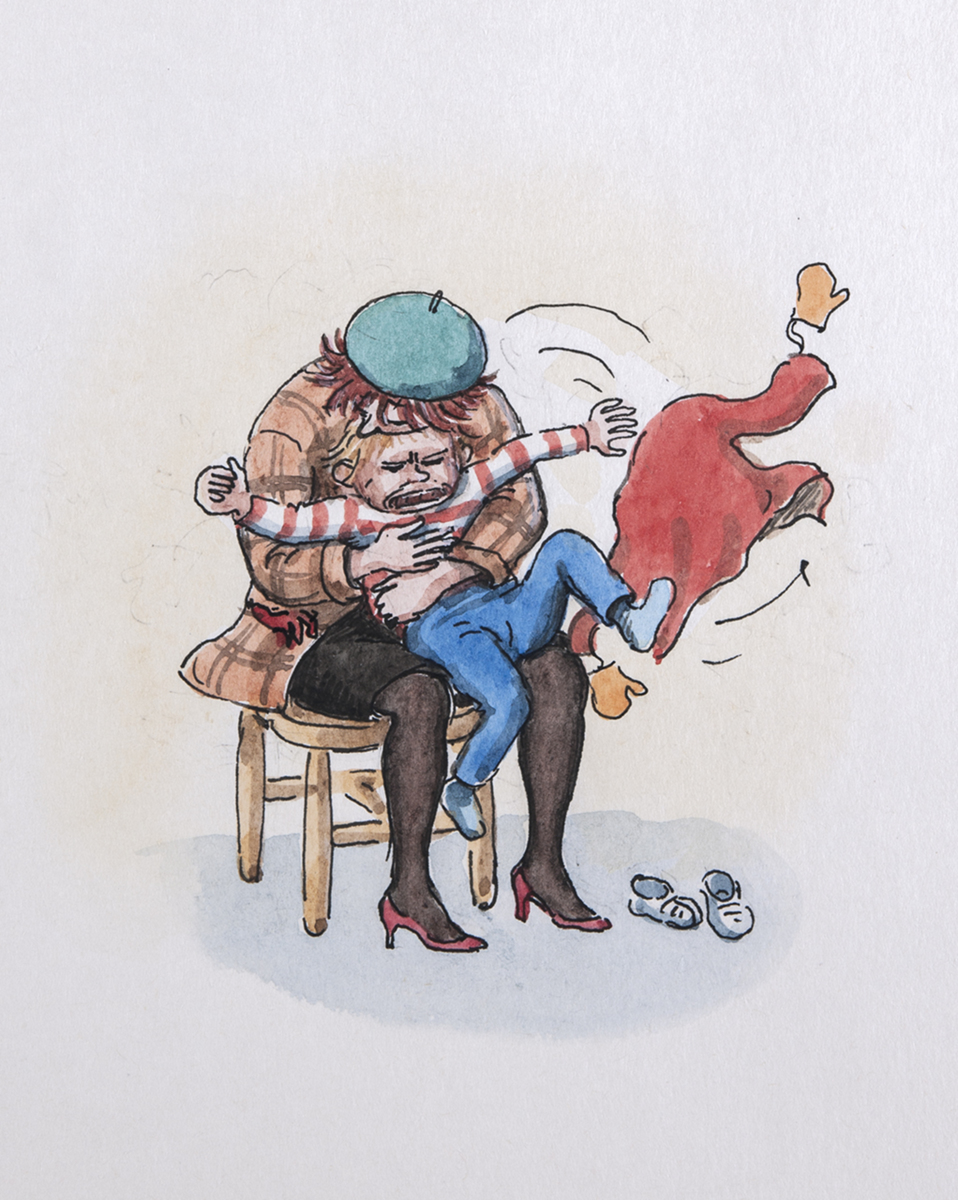
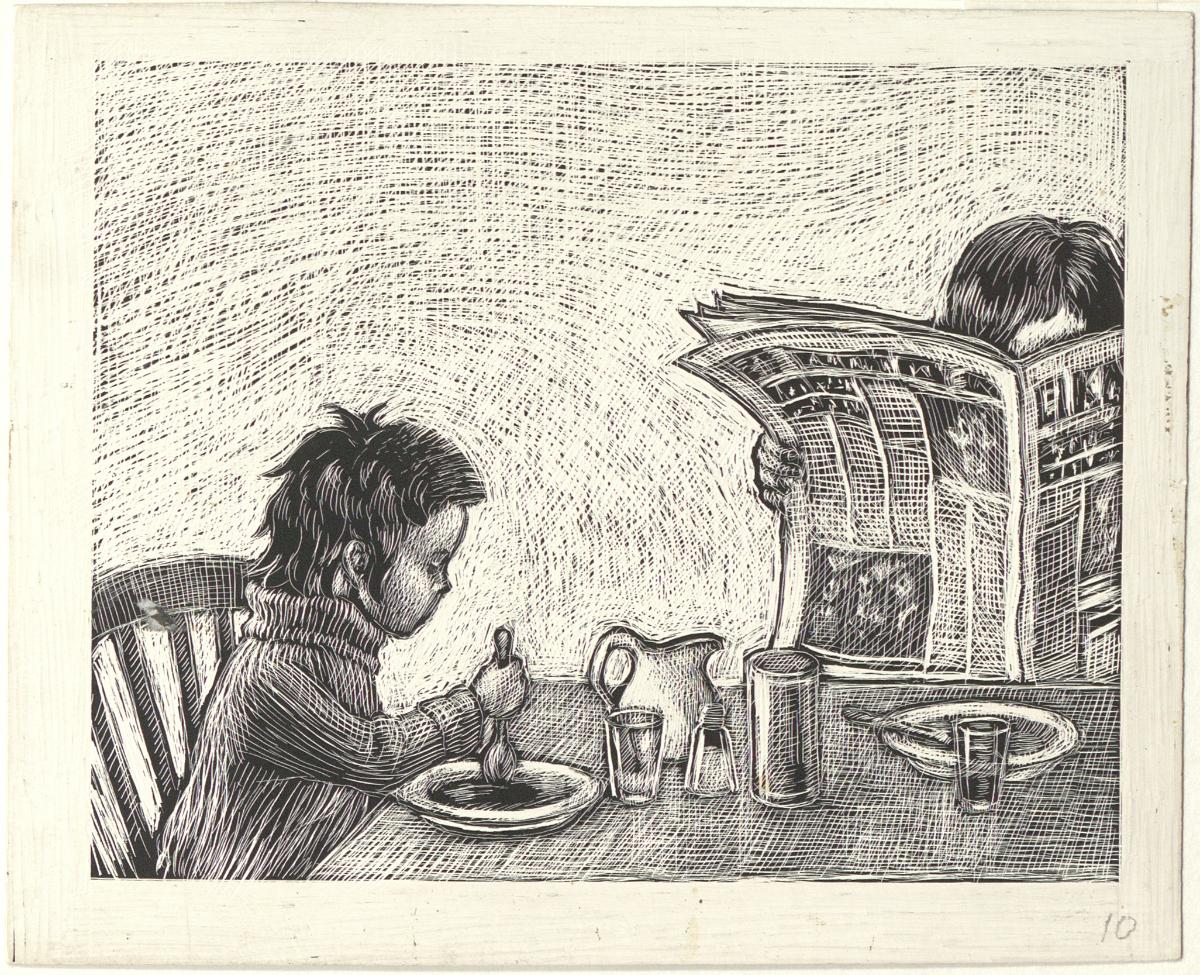
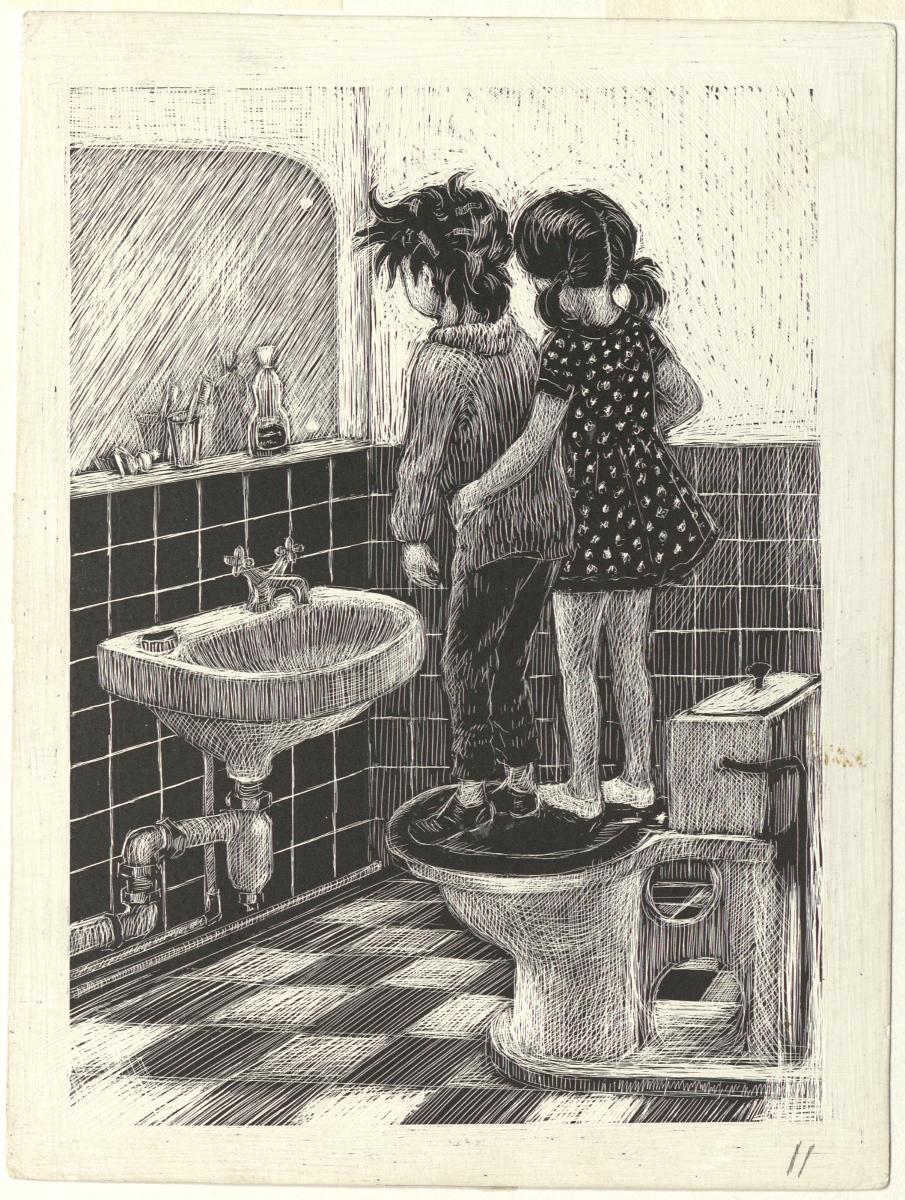
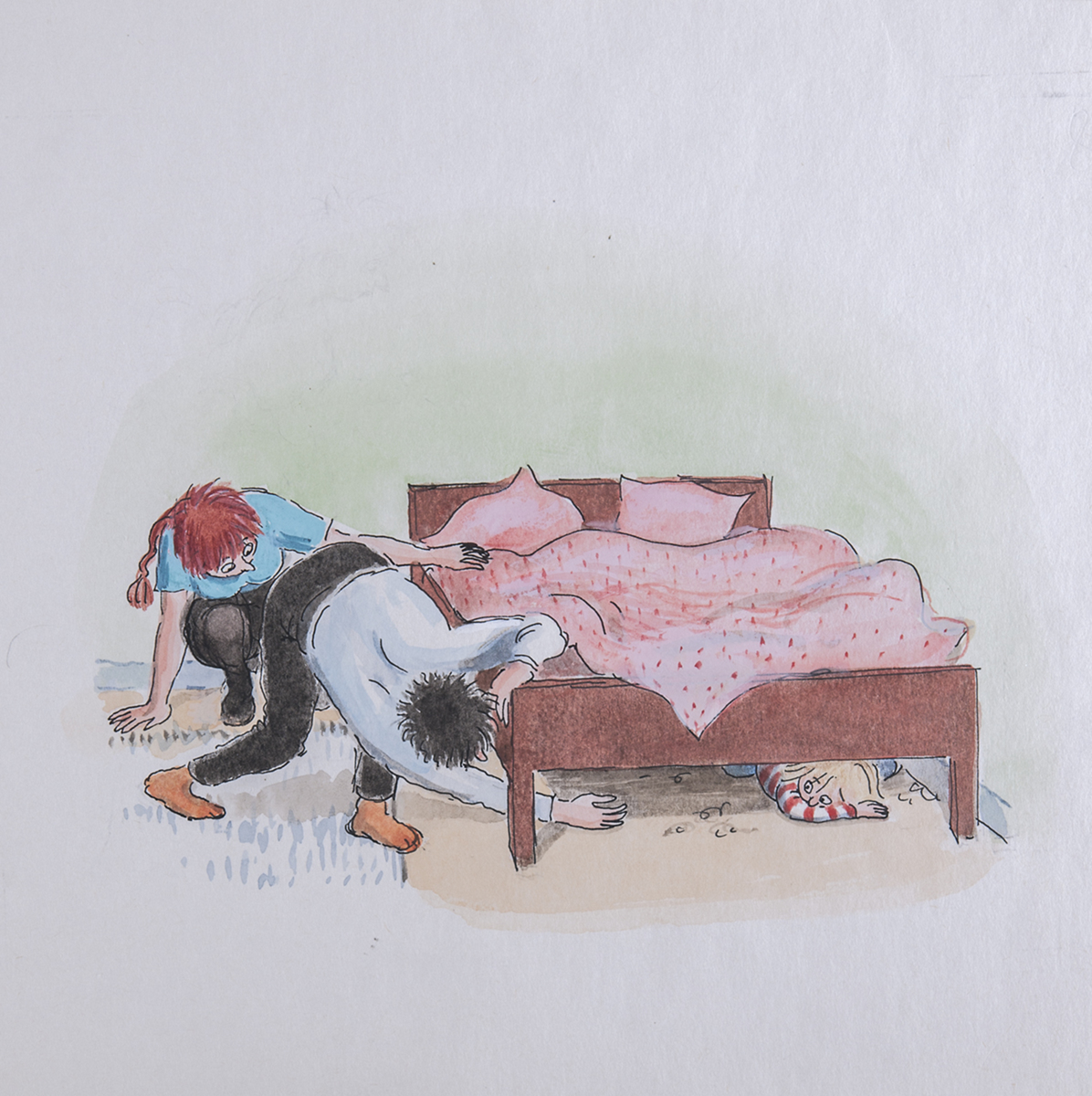
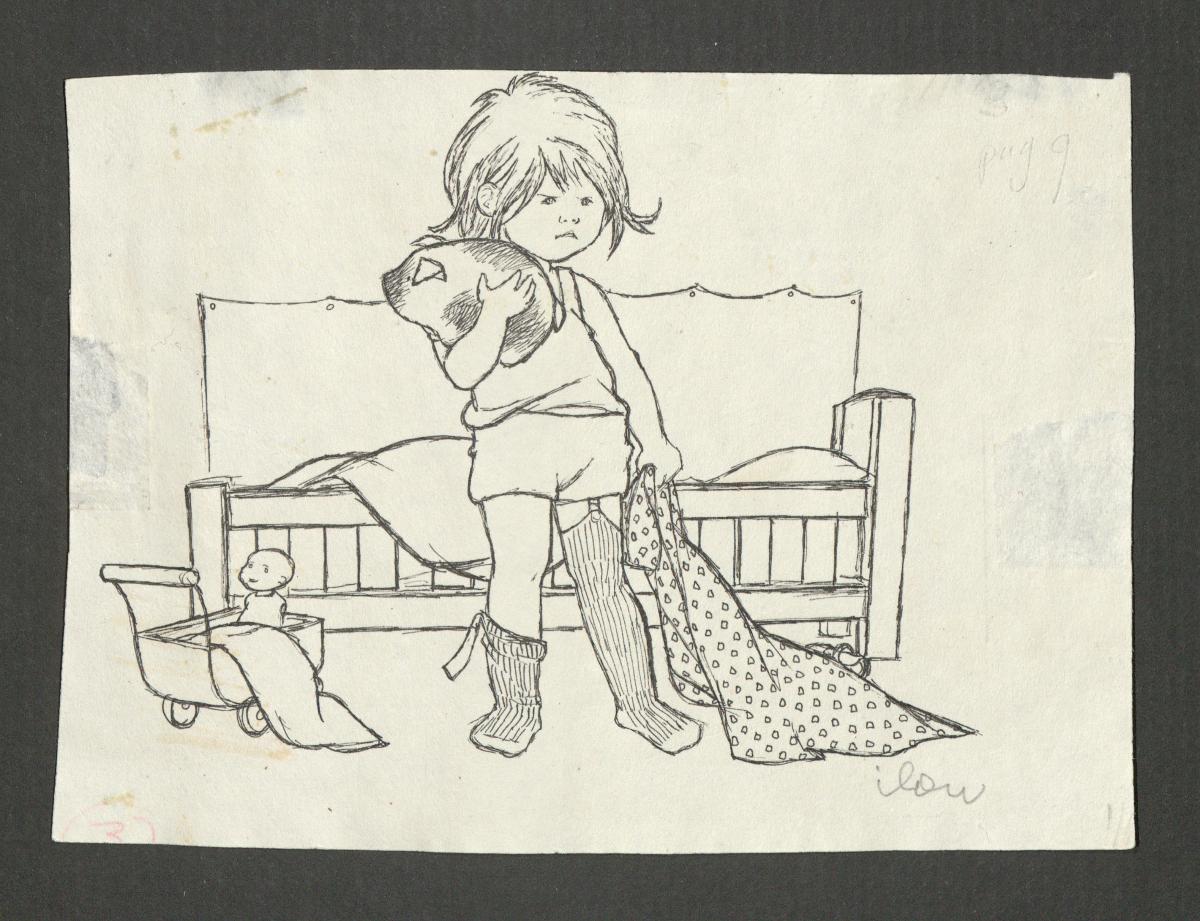
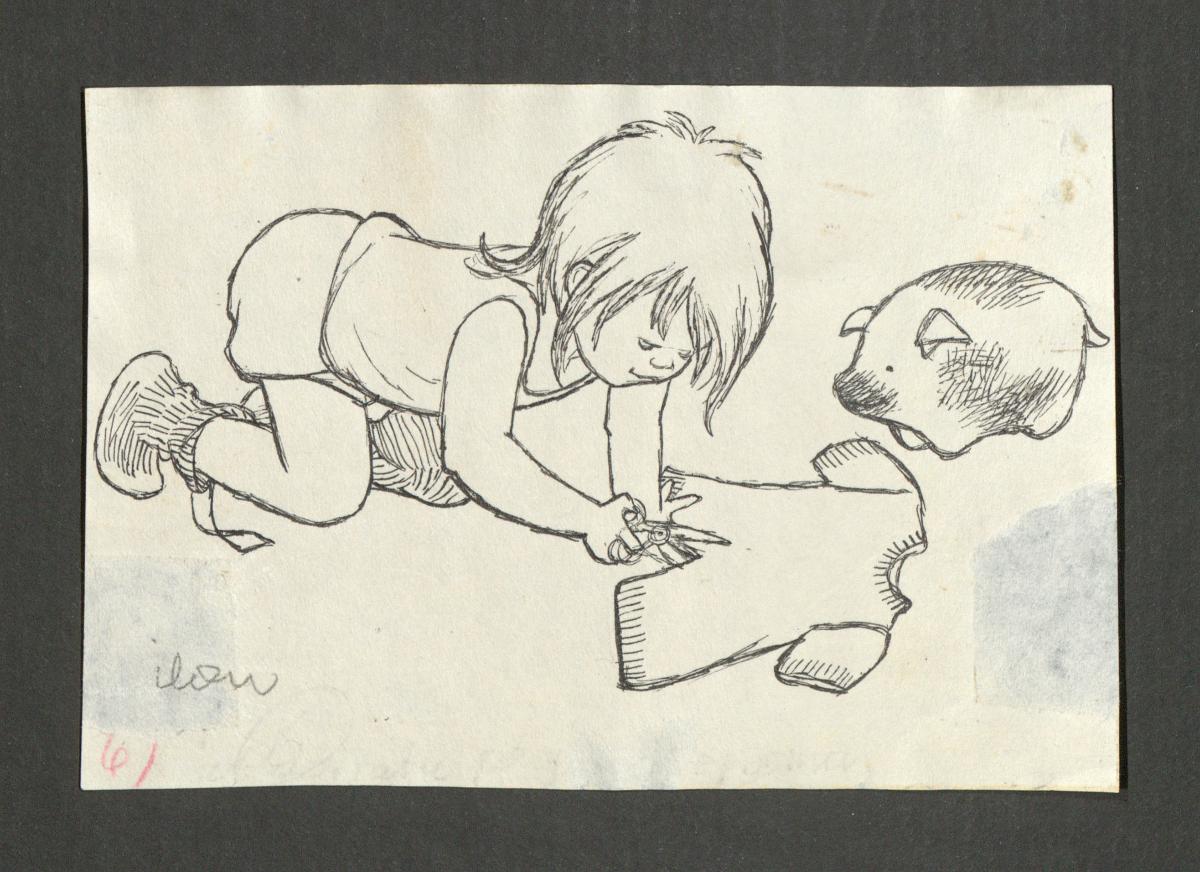
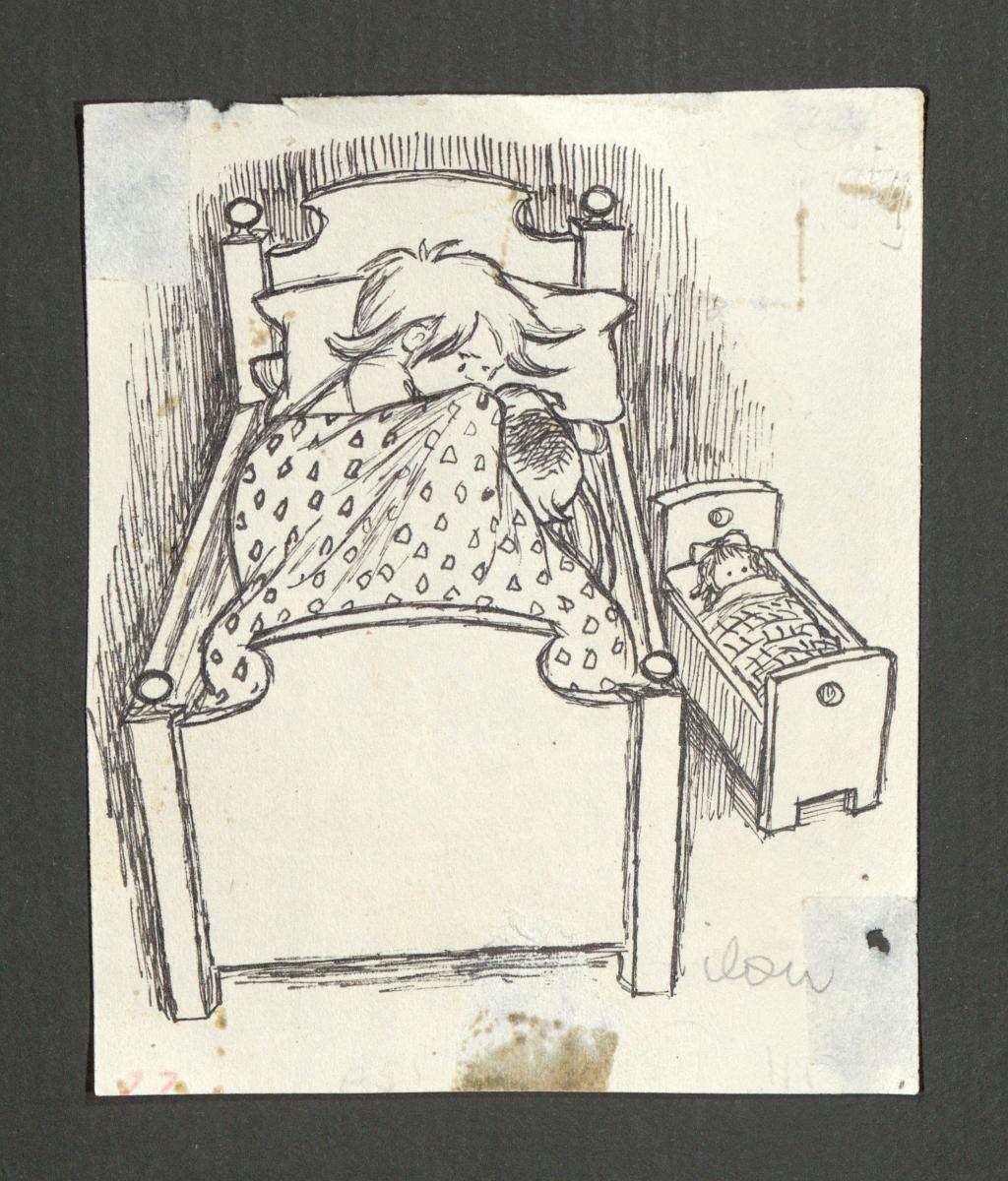
From the mid-1940s onward, a younger generation introduced characters who were far from exemplary. Illustrations increasingly reflected both the inner and outer worlds of children. Over time, more stories were also told from the perspective of children themselves. Harald Gripe’s images of Elvis and Ilon Wikland’s expressive illustrations for Lotta from Troublemaker Street are strong examples, as are Karin Stjernholm Raeder’s depictions of Rut-Emma playing in Stockholm’s courtyards with untied shoelaces and messy hair, or Cecilia Torudd’s children who stubbornly refuse to go to kindergarten. The children are no longer merely sweet and pleasant—they are individual, expressive, defiant, and carefree.
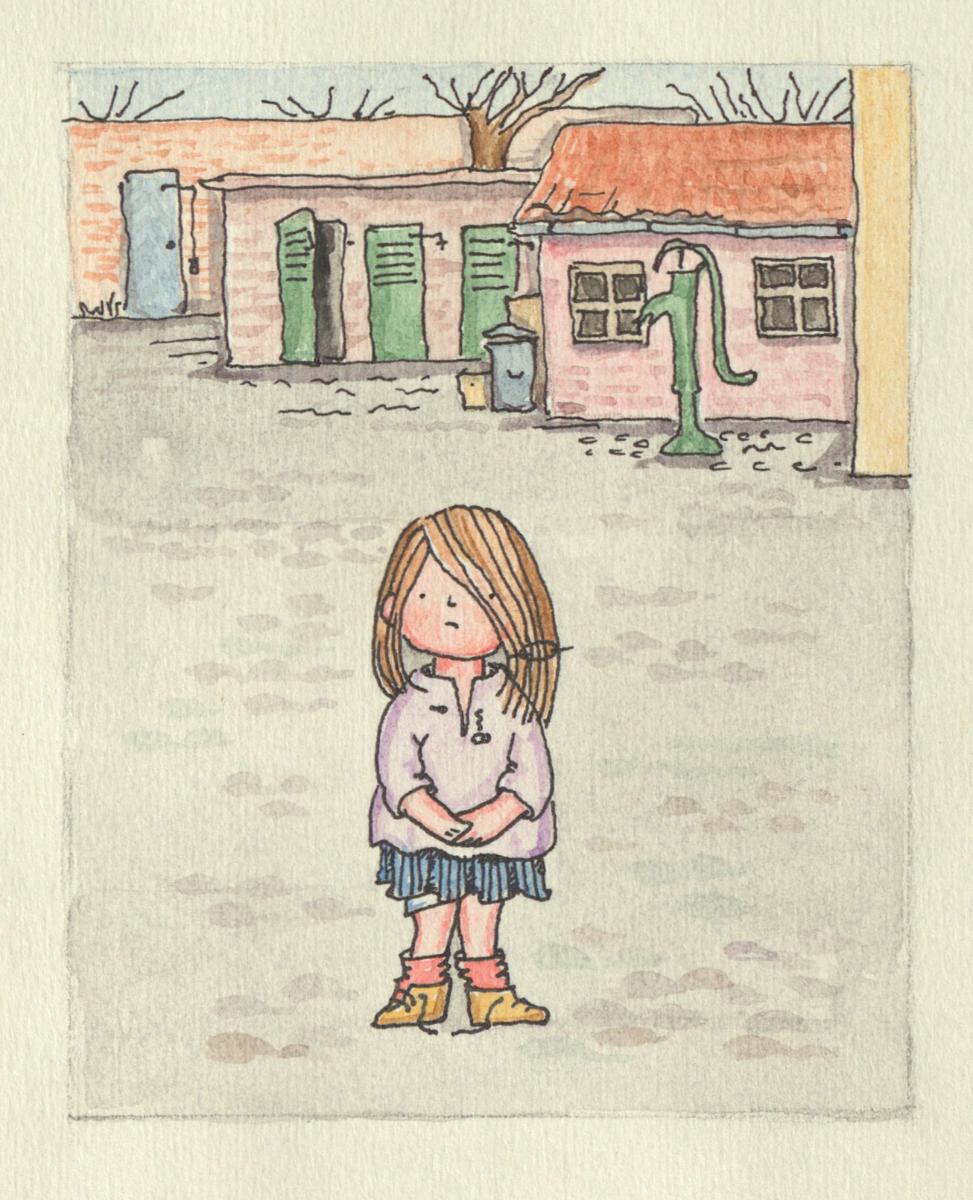
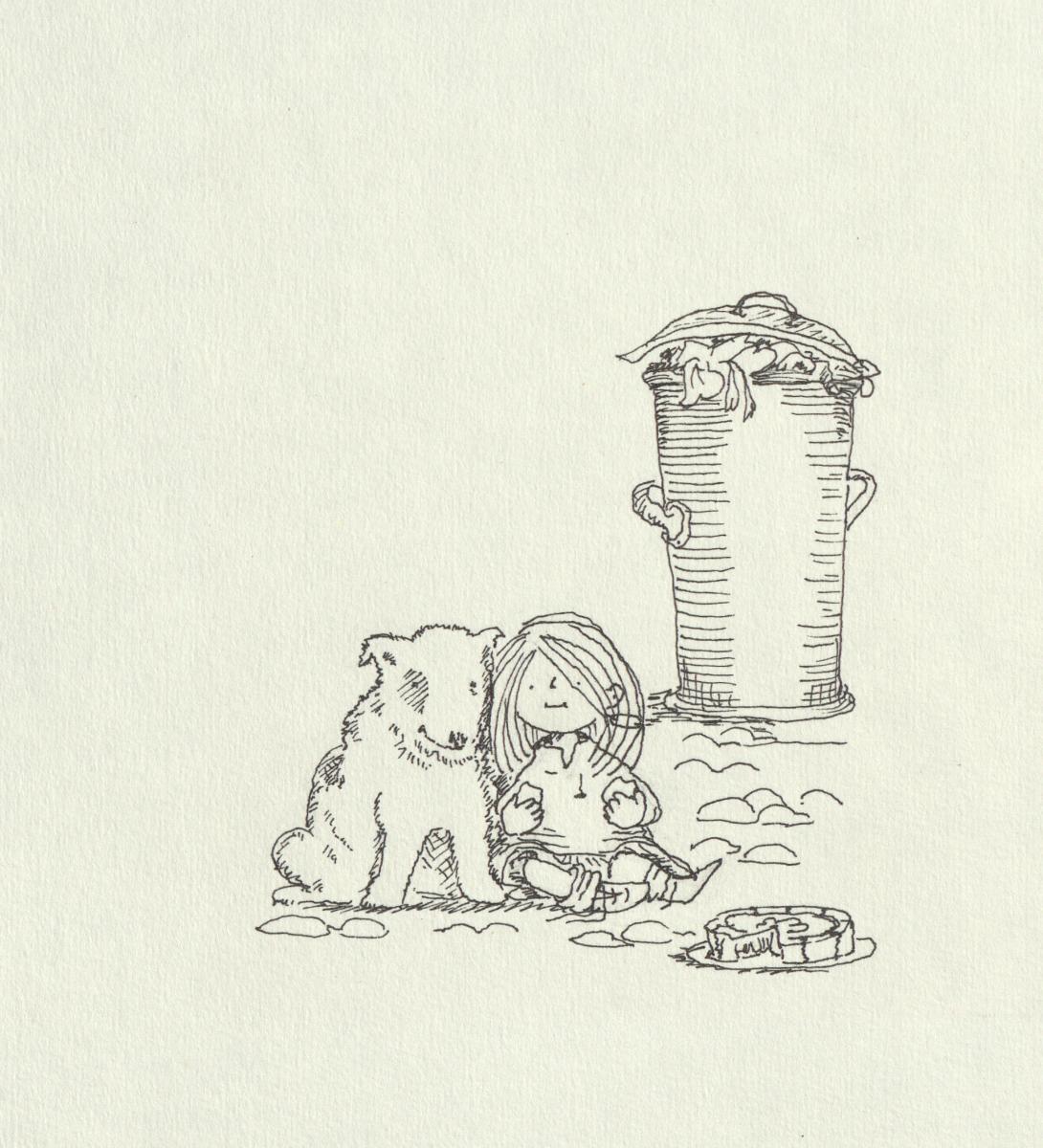
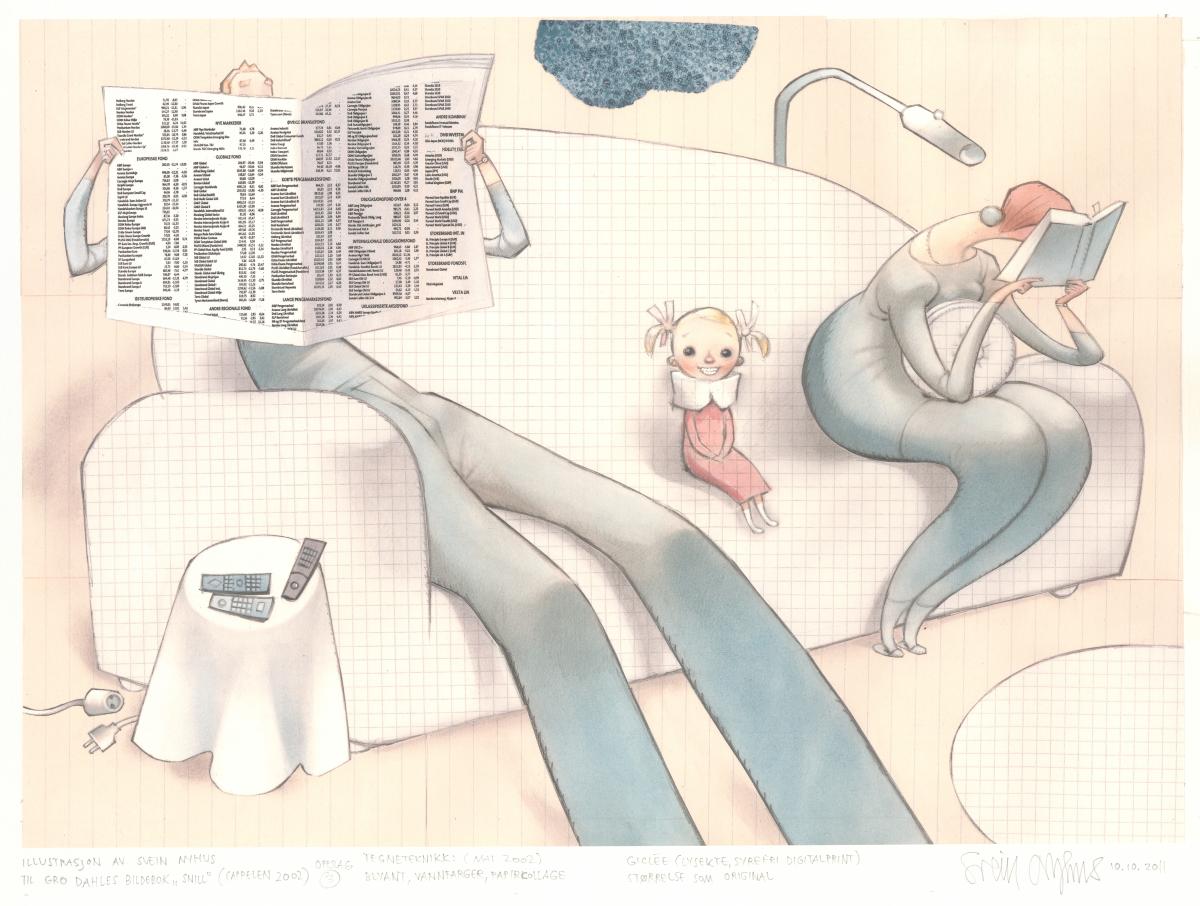
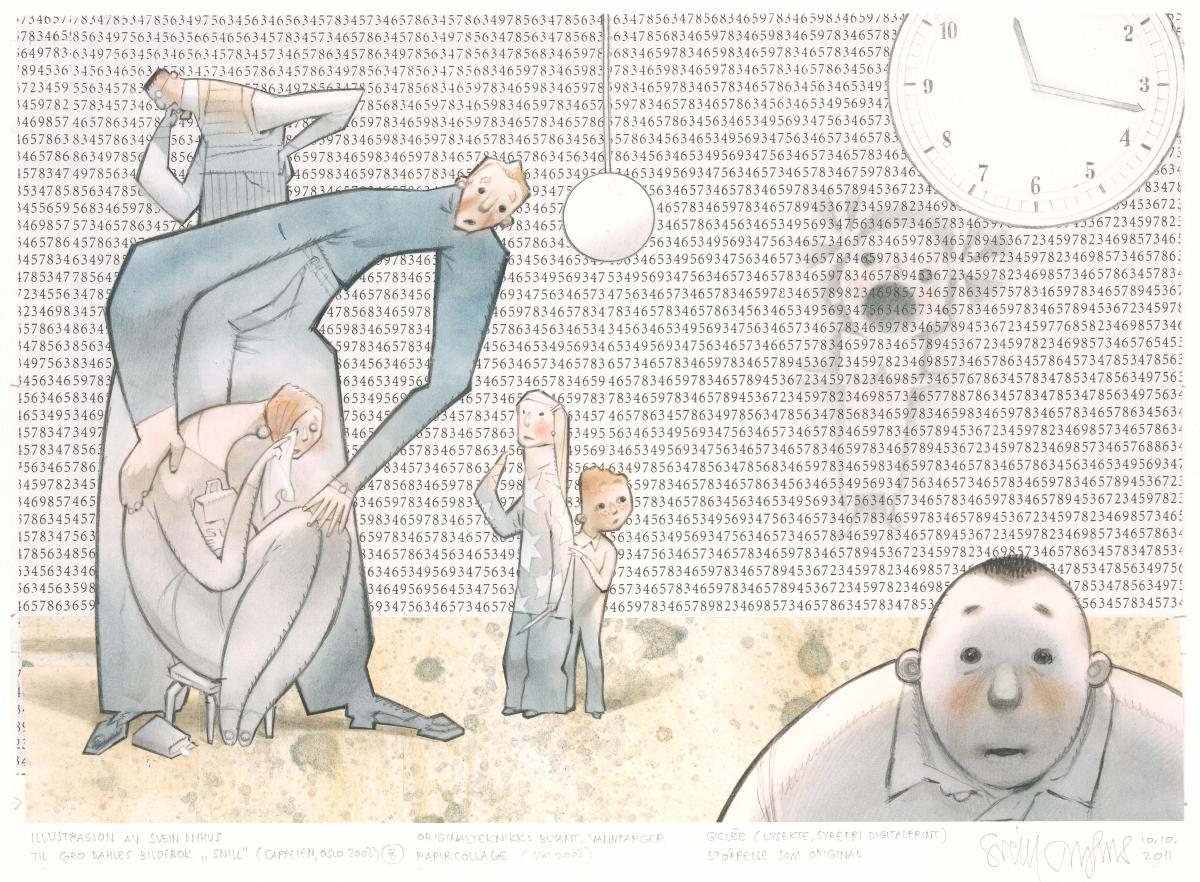
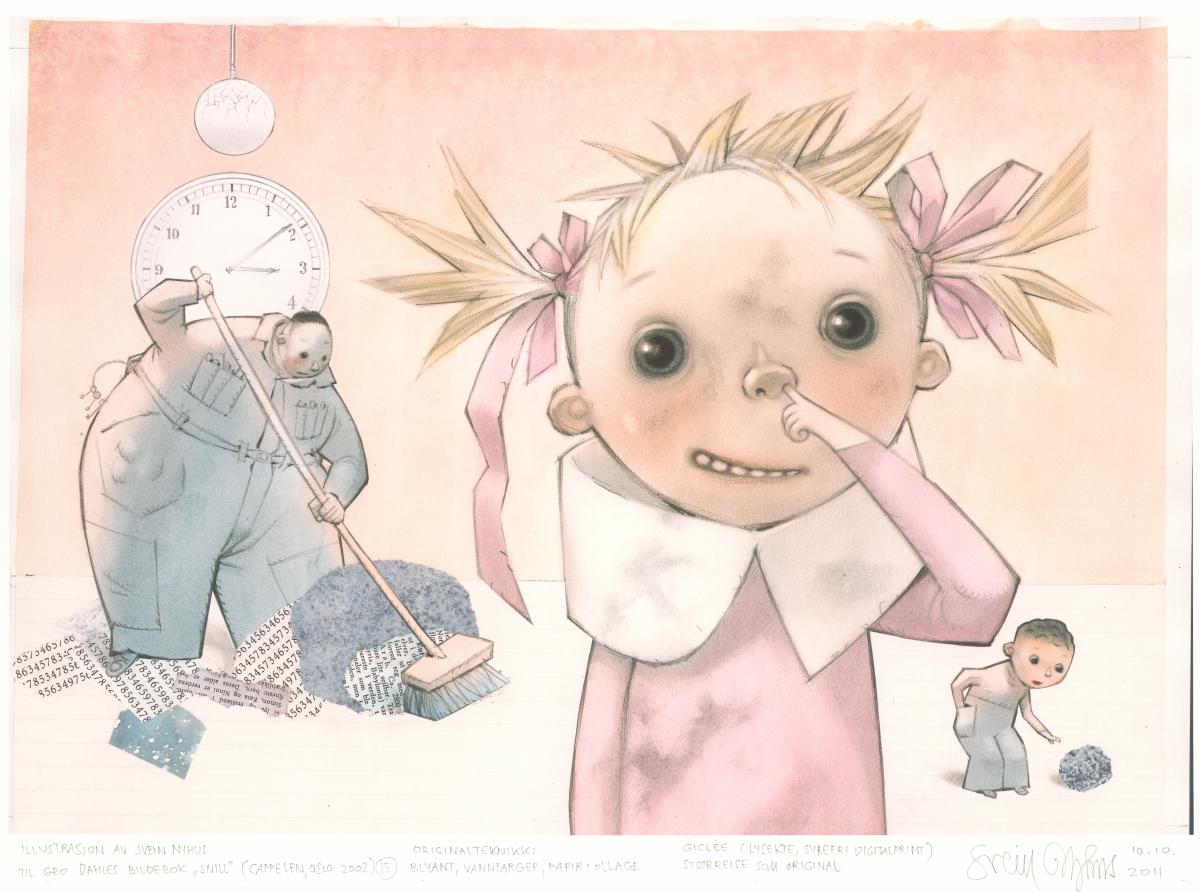
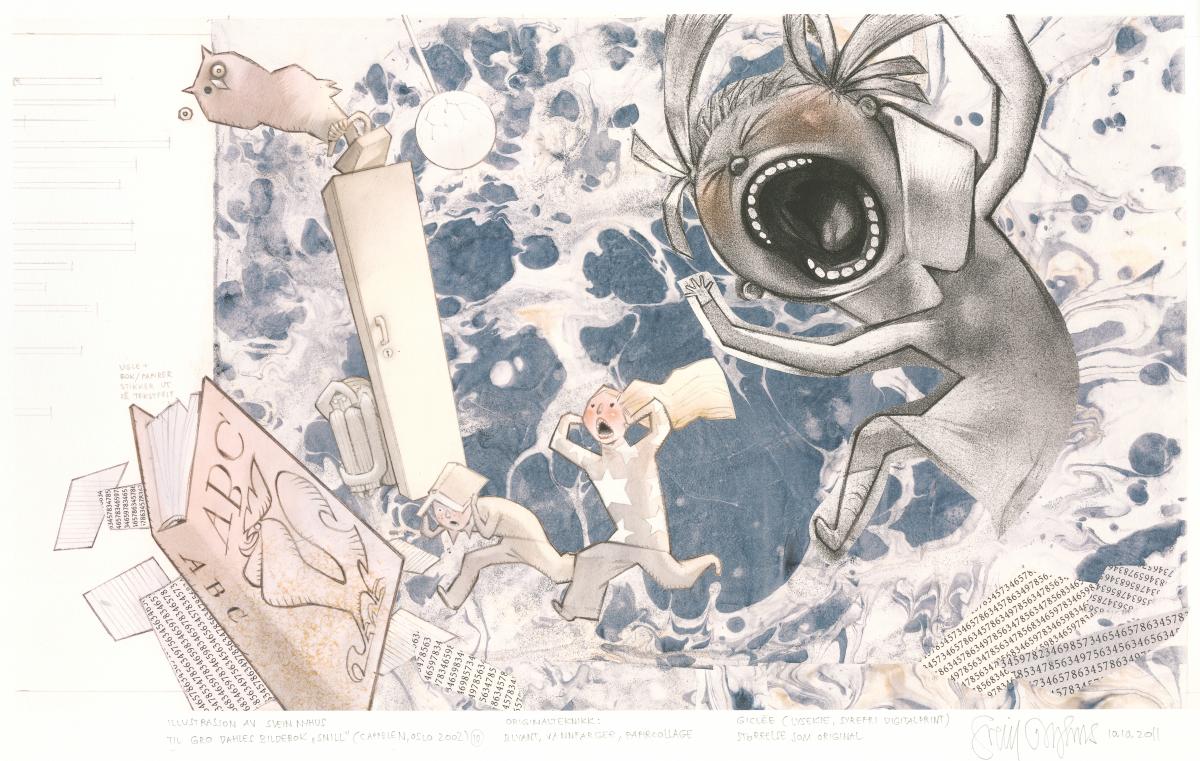
Sven Nyhus’s illustrations for Gro Dahle’s Snäll (Kind) take us into the 21st century. The little girl Lussi is so unfailingly kind that she eventually disappears into a wall. When she breaks free, the illustrations burst across the pages—perhaps a reminder of what happens when we deny our own feelings.
Related Artworks