Published: 28.01.2026
Motherhood in Art
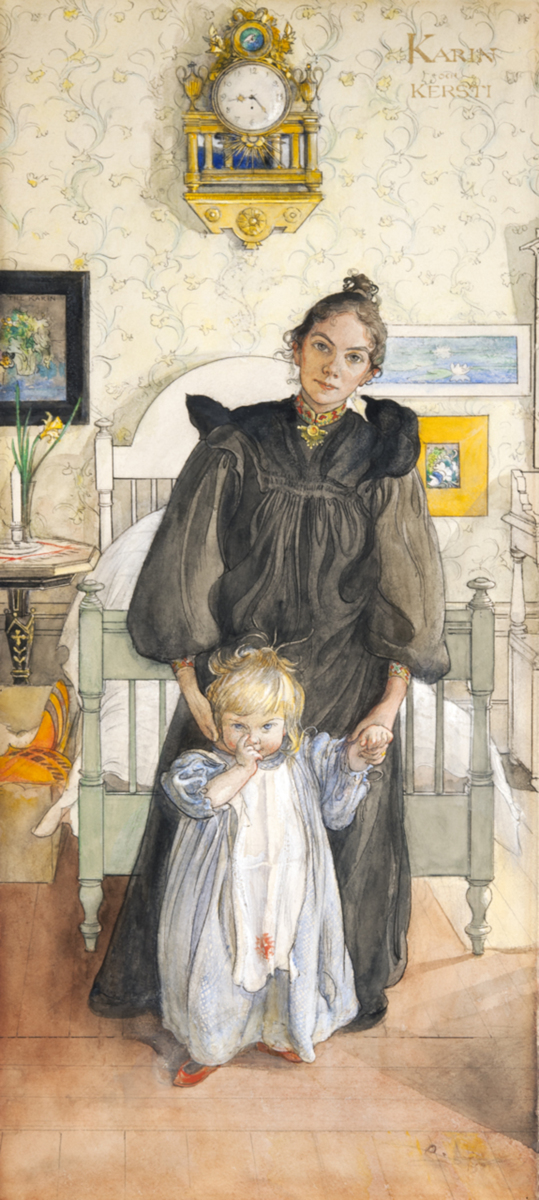
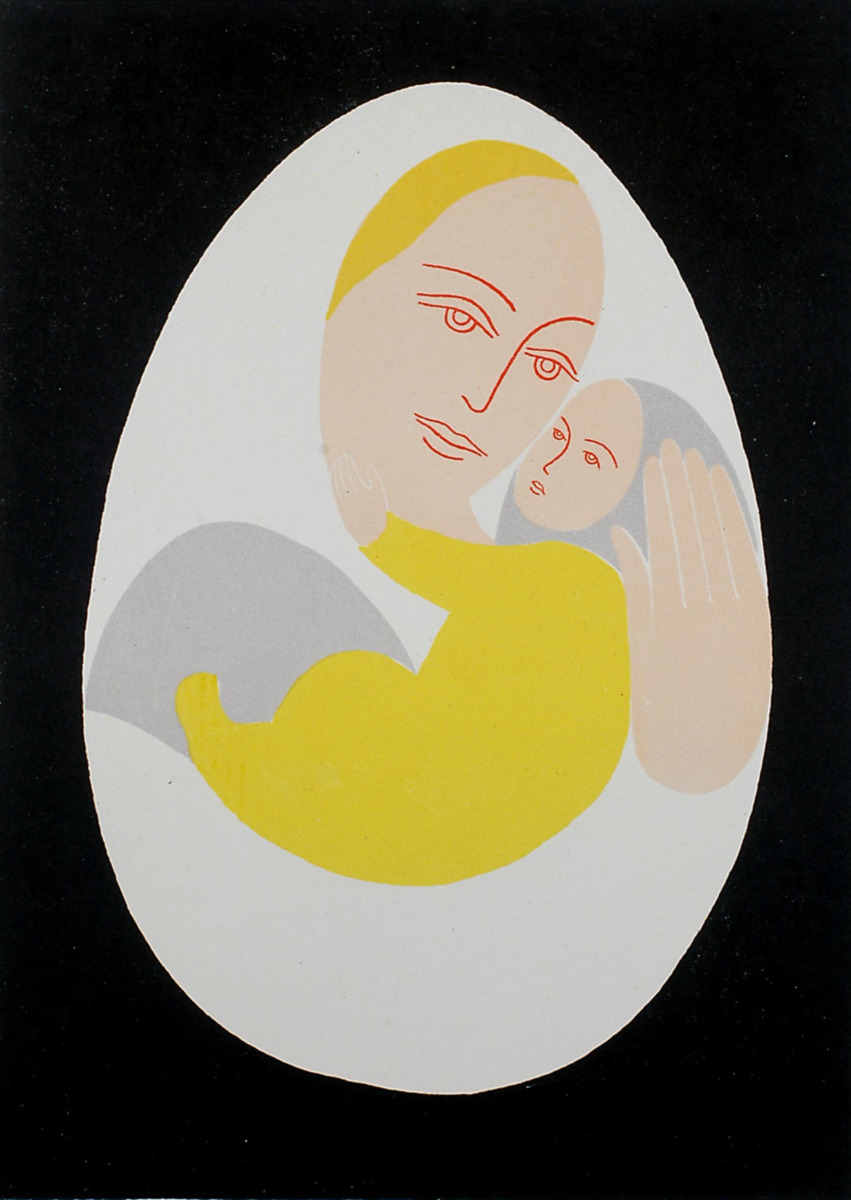
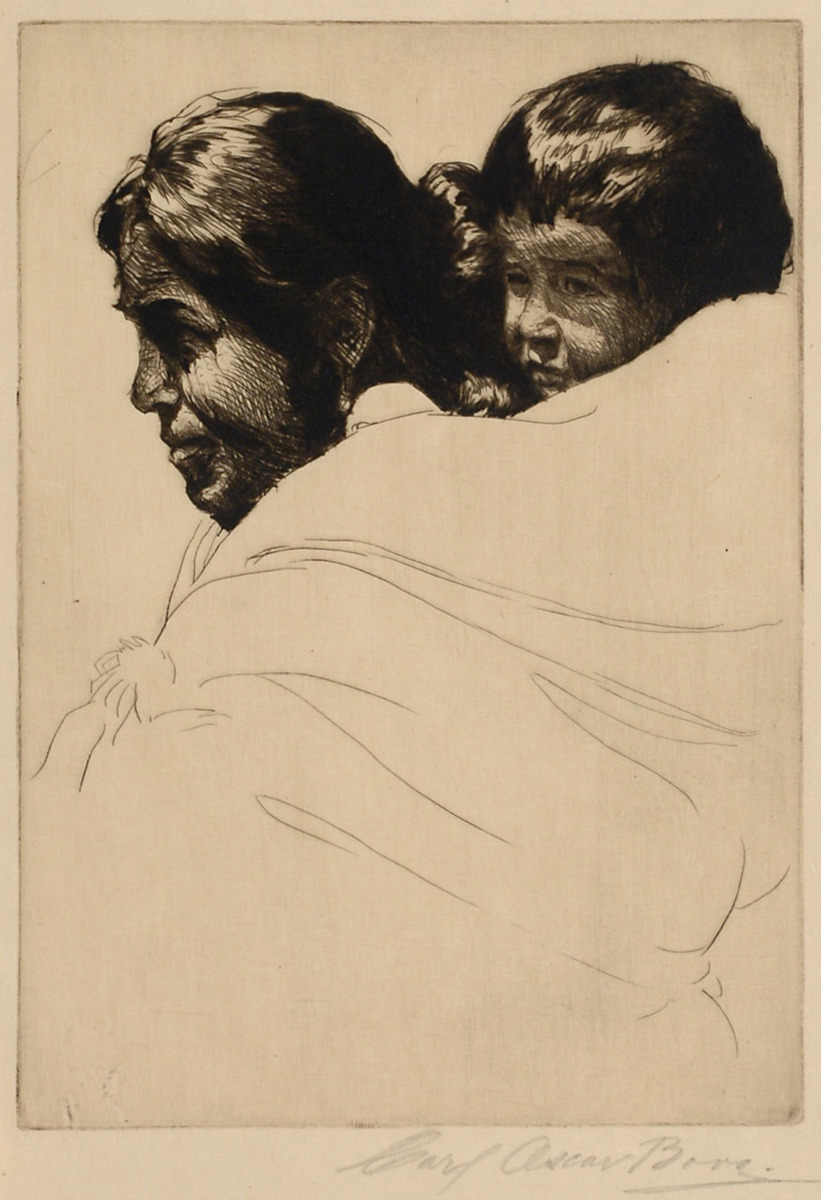
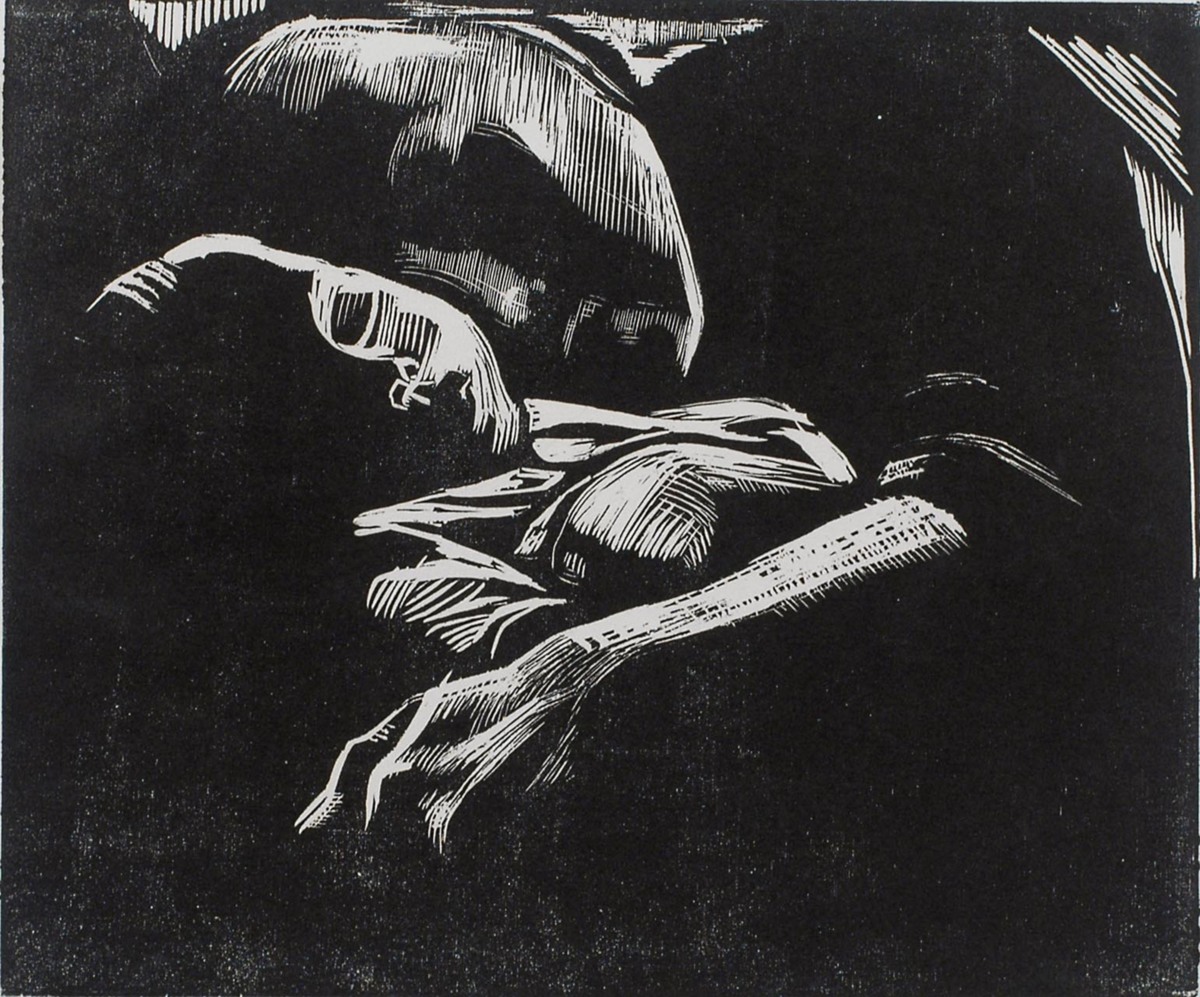
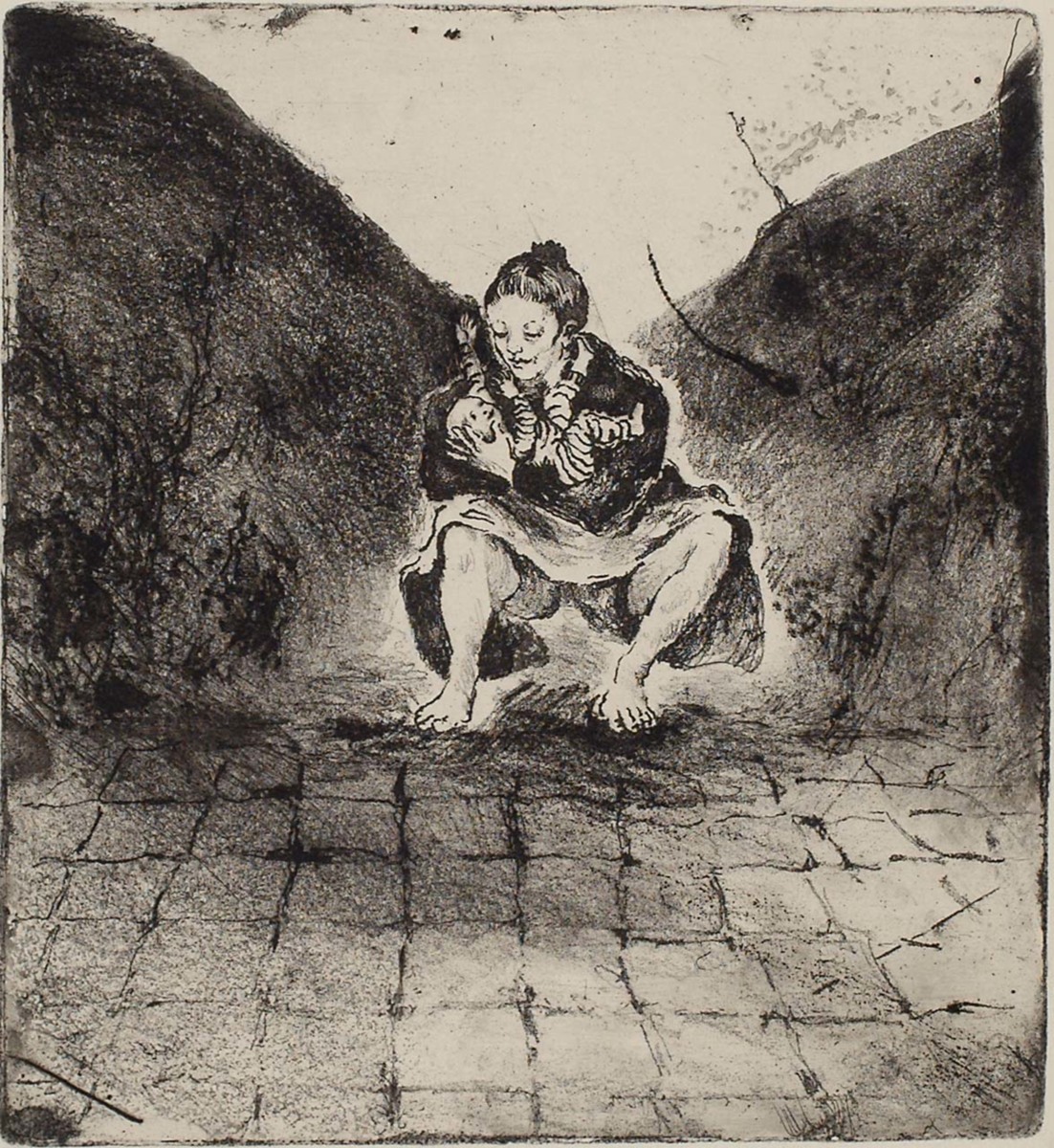
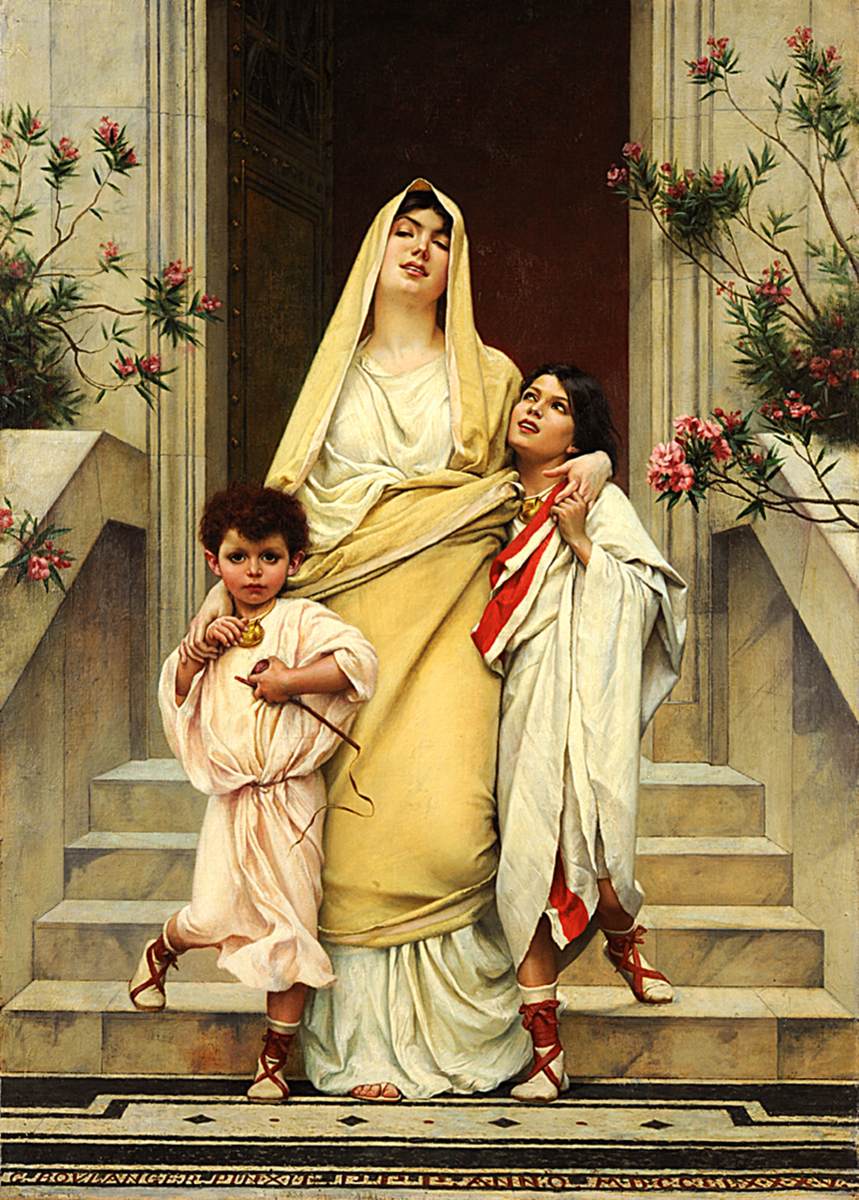
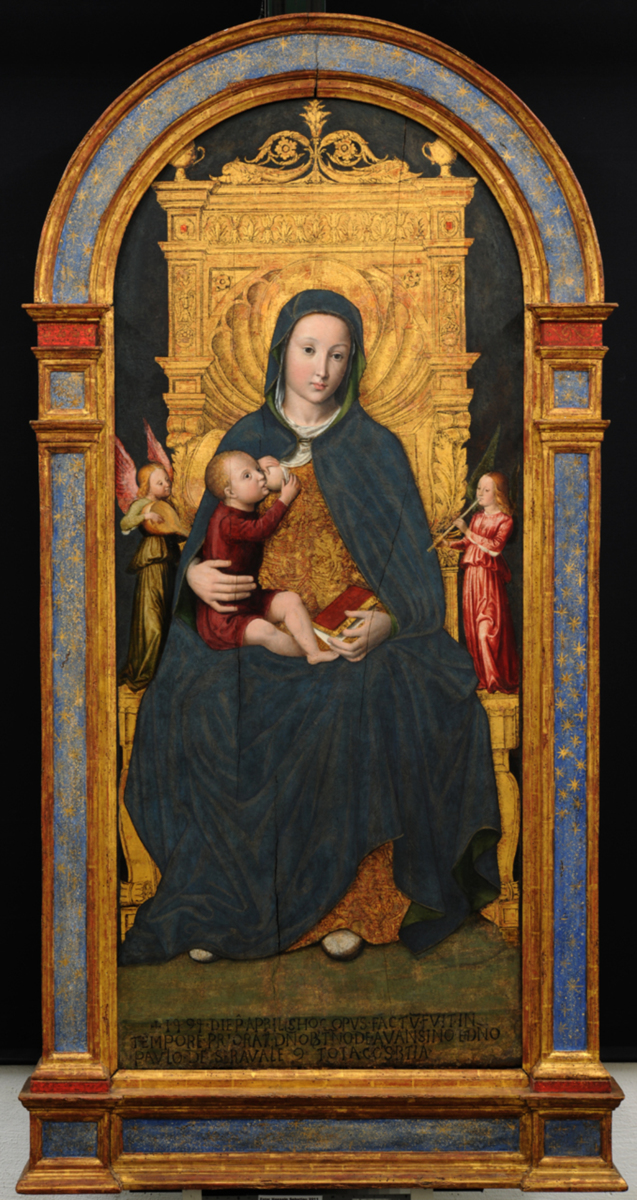
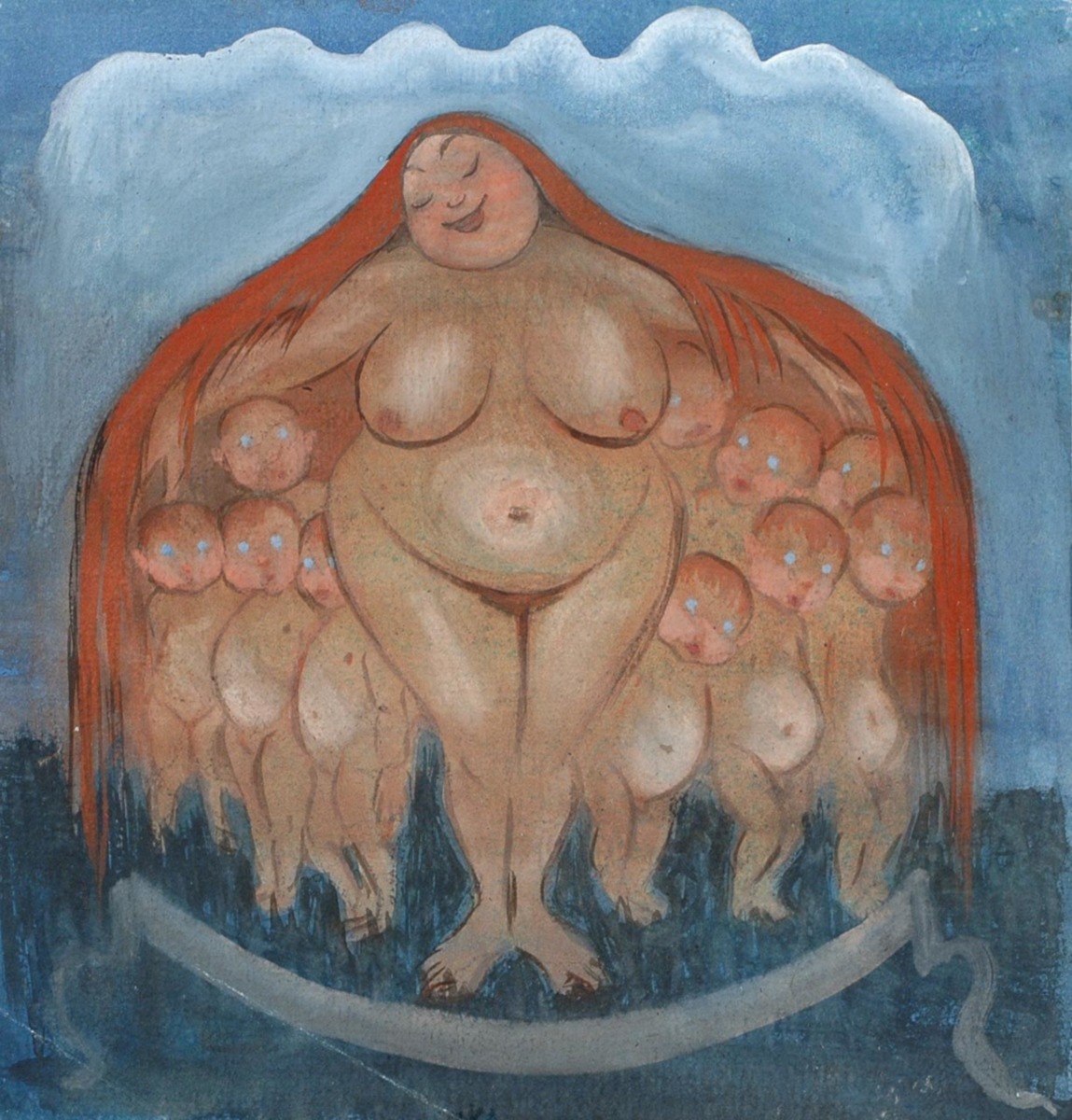
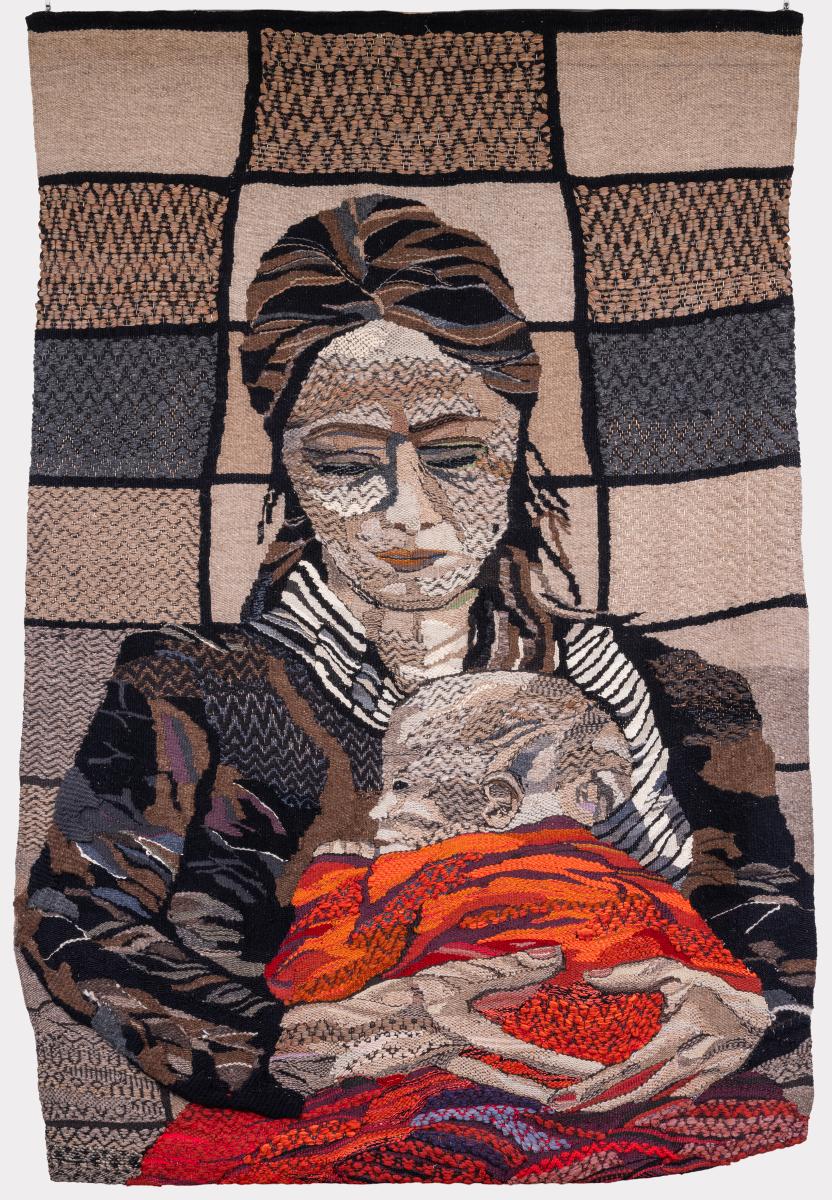
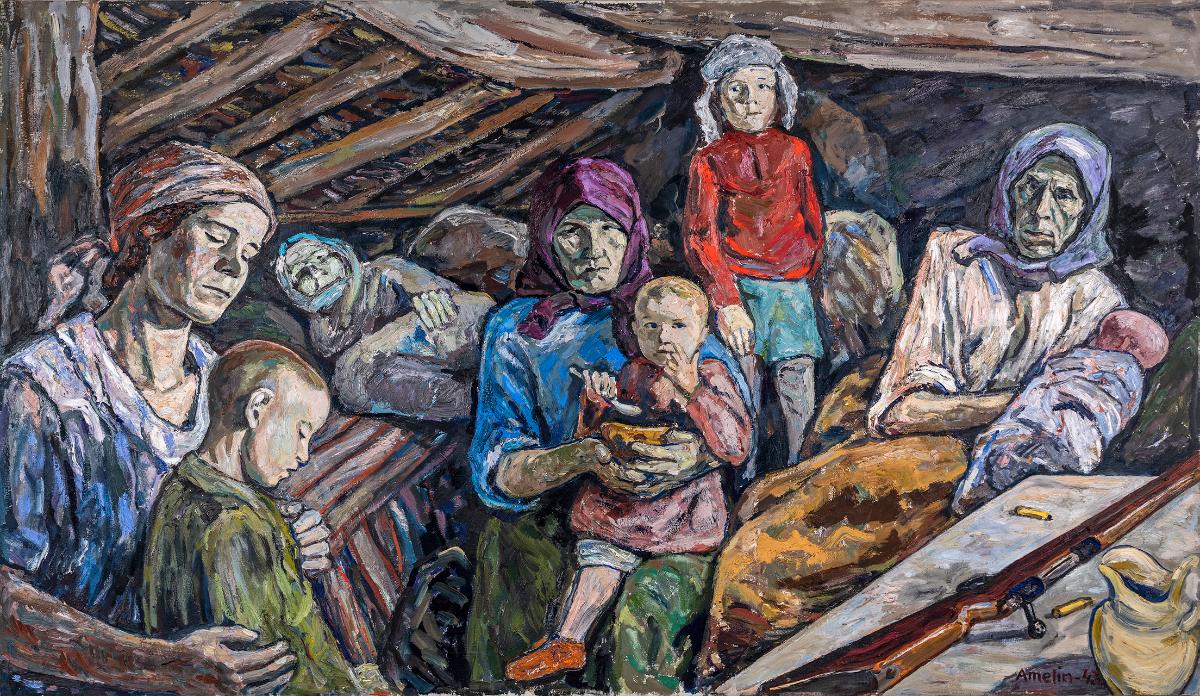
The relationship between mother and child is a long standing motif in Western art. Early examples are dominated by depictions of the Madonna—Mary with the infant Jesus. These images shaped idealized conceptions of motherhood, emphasising patience, virtue, and purity. They were also imbued with spiritual significance and were not necessarily intended to represent everyday human experience.
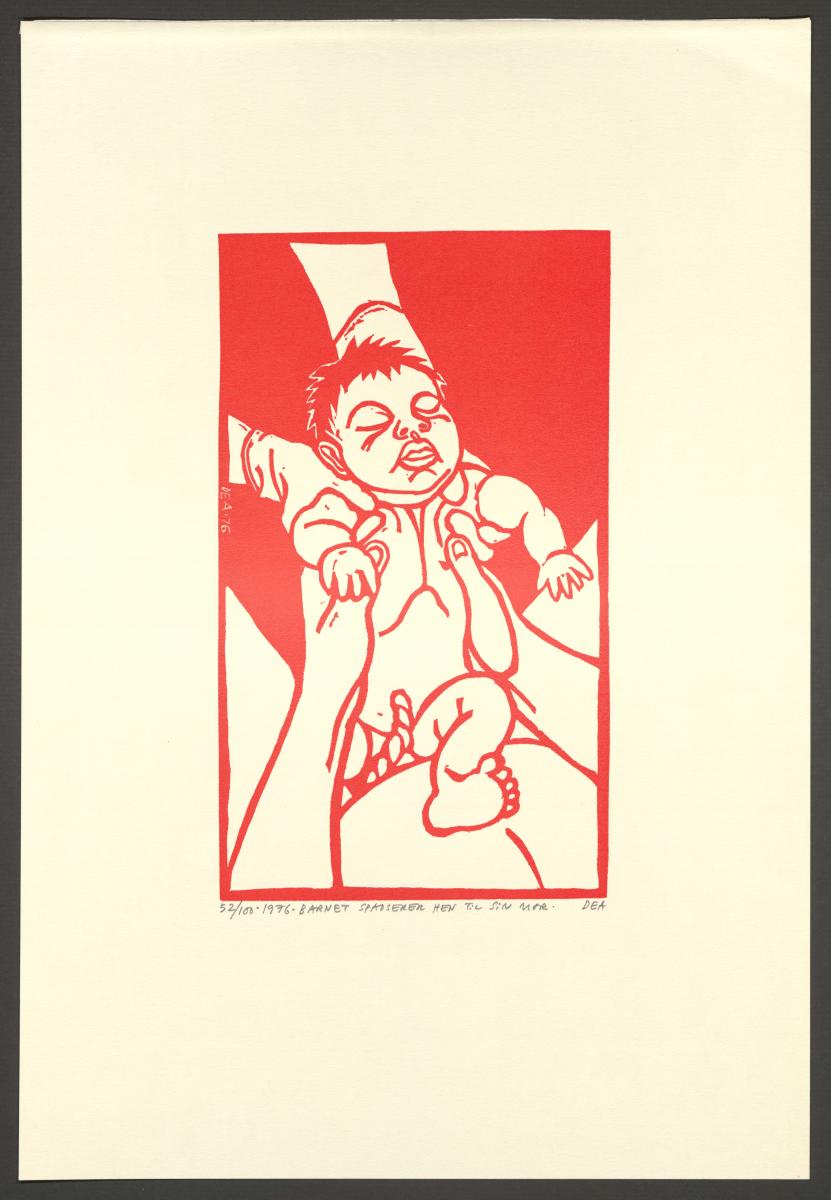
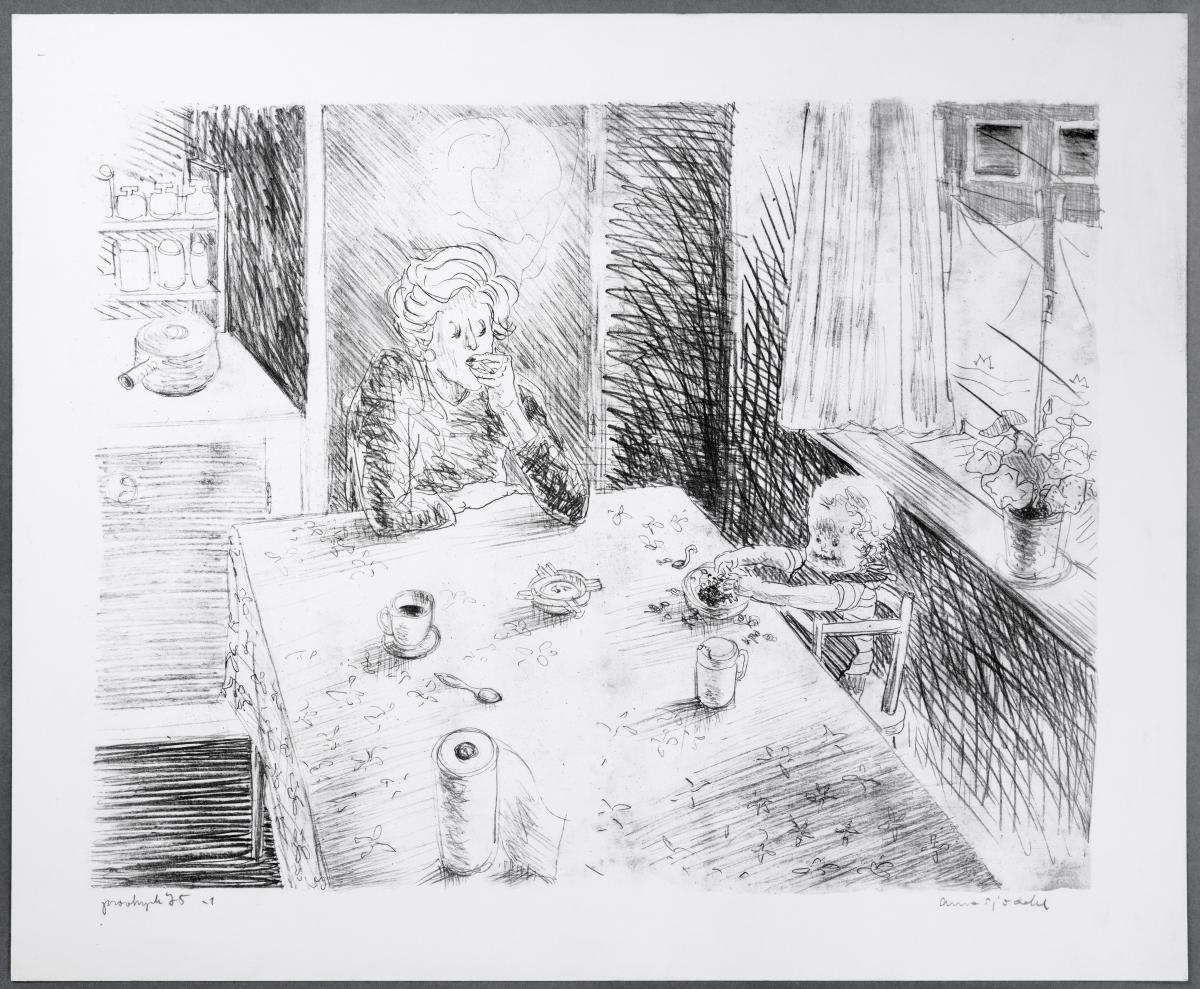
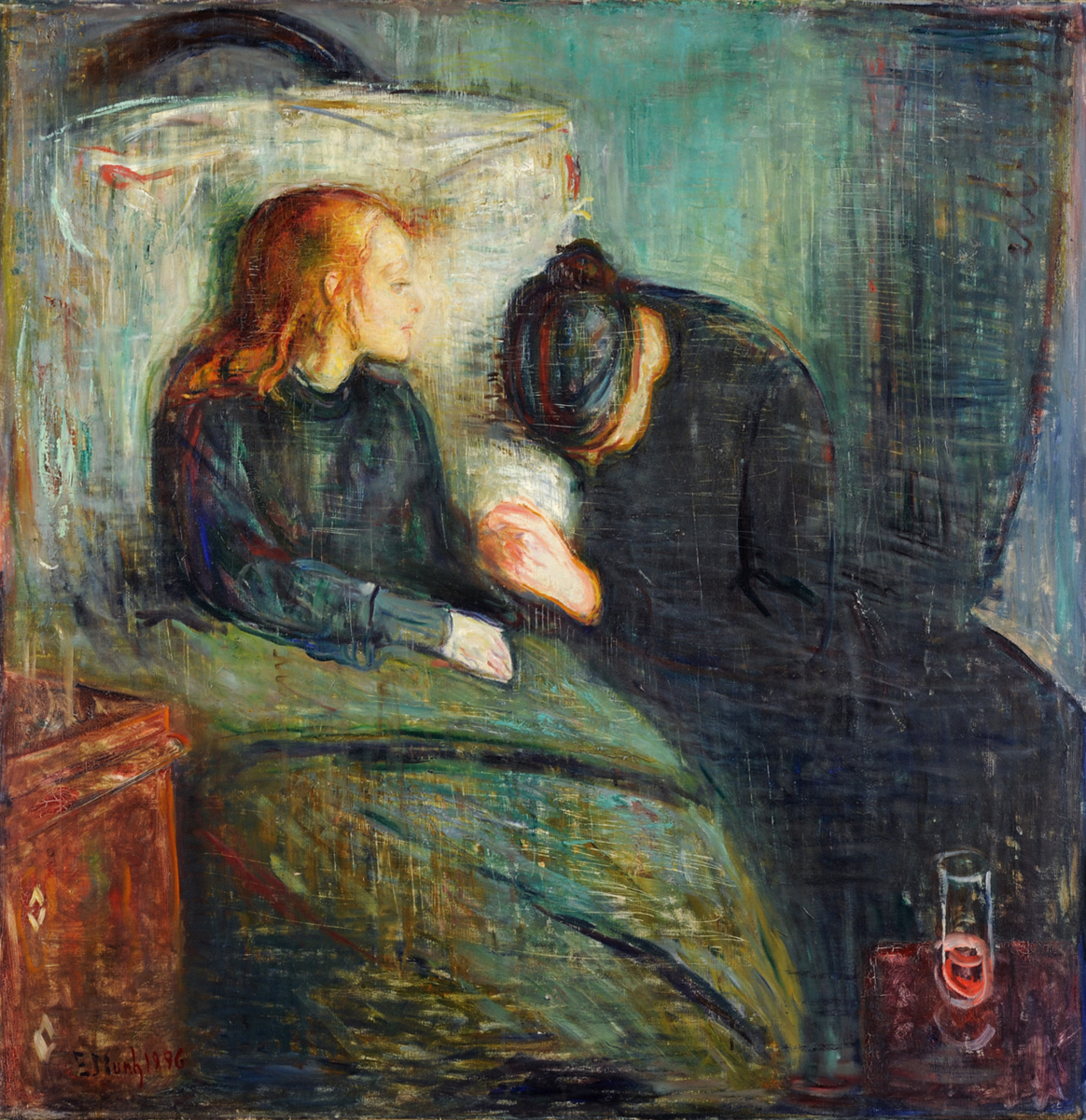
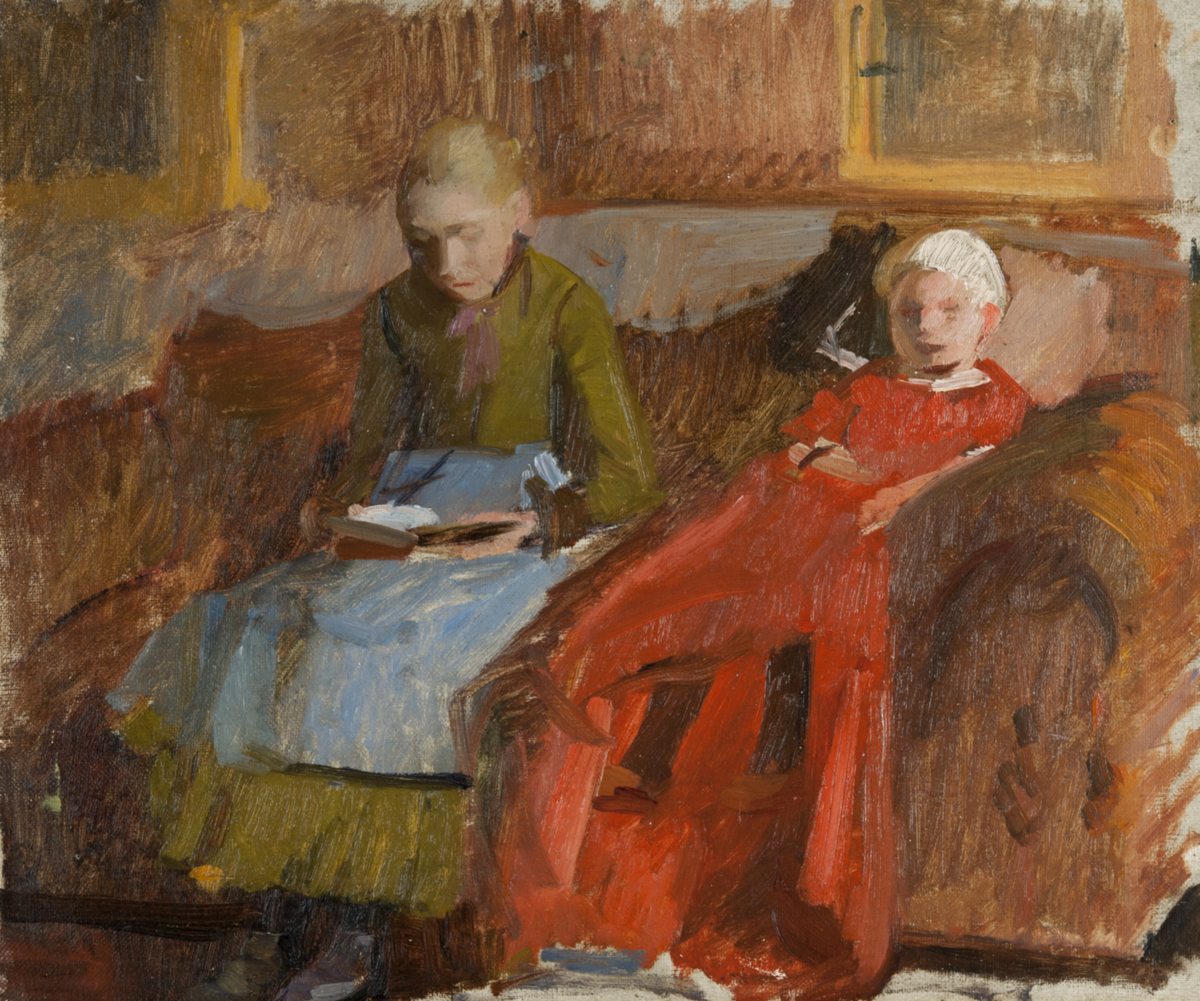
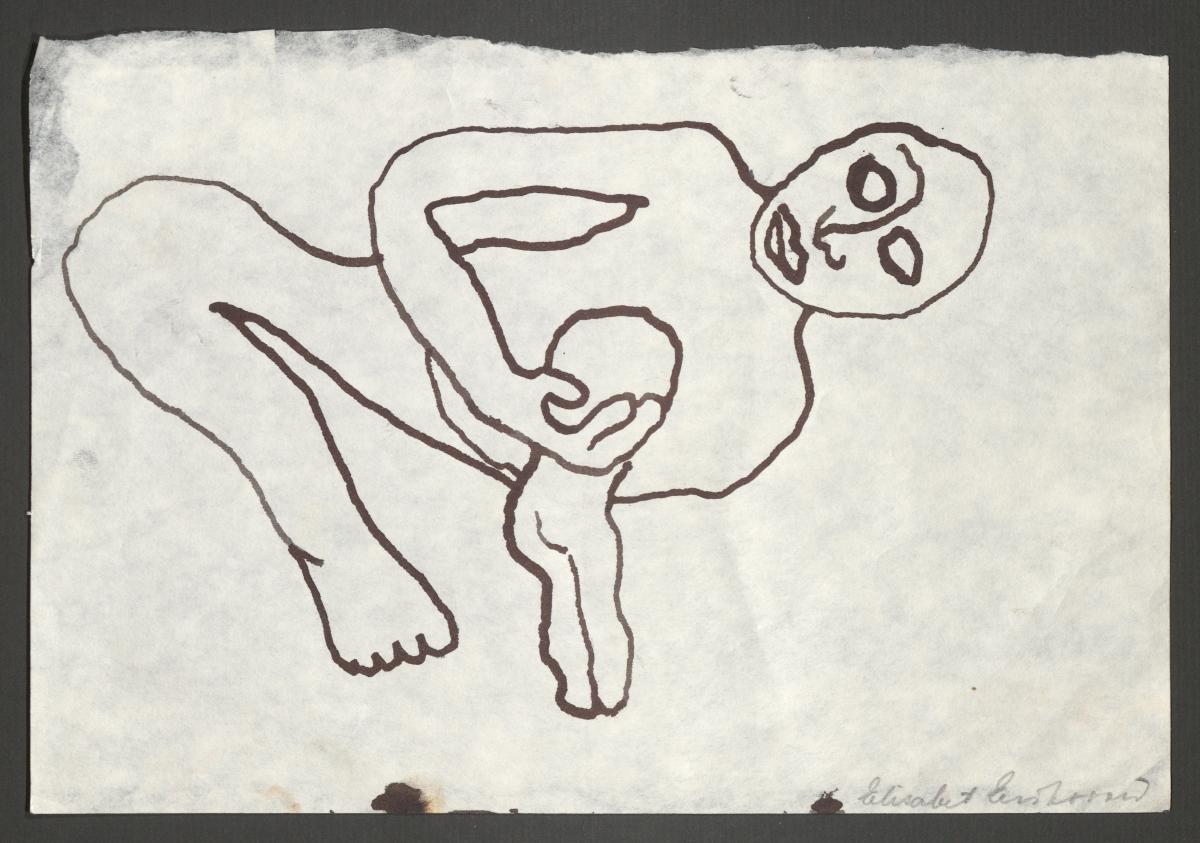
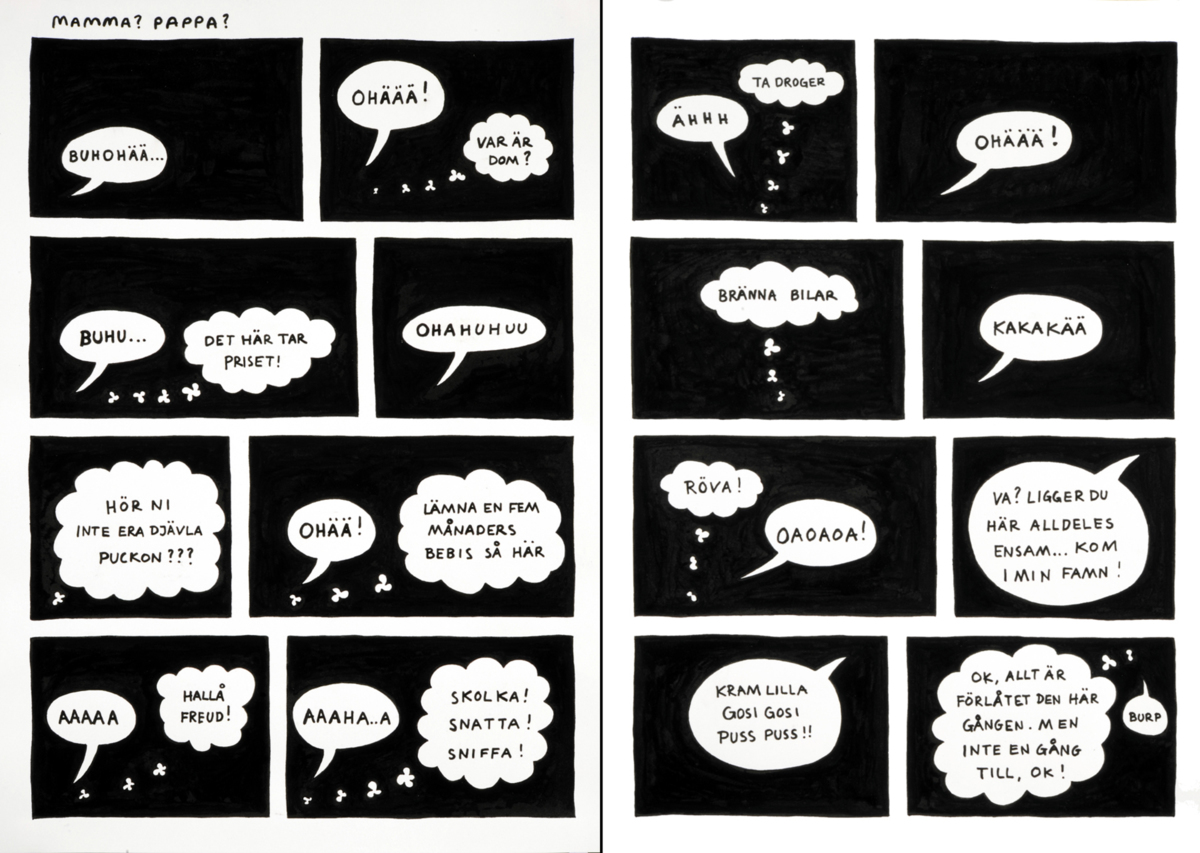
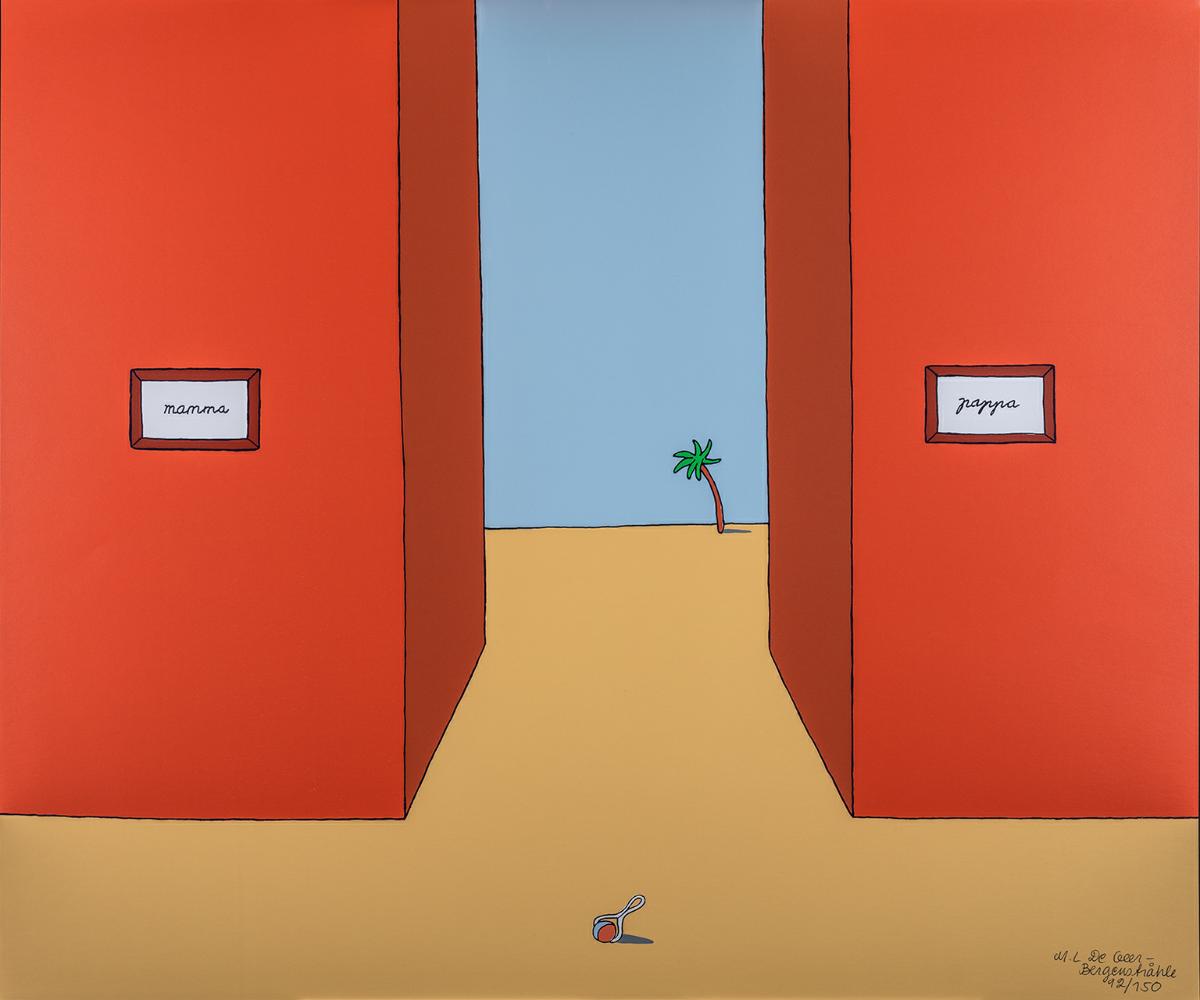
Later, more personal depictions of motherhood appear—initially created mostly by male artists, who had better access to training and recognition. From the 19th century onward, women increasingly entered the art world and introduced new perspectives on motherhood. In the latter half of the 20th century, the motif gained political resonance. Many women artists addressed the challenges of combining motherhood with an artistic career, both publicly and in their work. Historically, women often gave up their artistic practice upon marriage and motherhood, and even today some artists report feeling marginalized after having children. During this period, it also became more acceptable to depict the less idealized aspects of motherhood: fatigue, distraction, emotional distance.
Images of motherhood in art reflect not only the values of their time but also the struggle to balance identity, creativity, and care. Below, you can explore examples from the museum’s collection that illuminate these shifting perspectives.
Related Artworks