Published: 26.01.2026
Women Artists at the Turn of the Century 1900
For a long time, women faced substantial obstacles in becoming artists. Yet during the second half of the 19th century, significant changes occurred. In 1864, the first women’s class was introduced at the Royal Academy of Fine Arts, and by 1880 around one hundred women had participated. The 1880s became one of the most dynamic decades in Swedish art history, as many Swedish artists travelled to Paris and embraced new artistic ideas, women gained increasing prominence, and traditional teaching methods were questioned.
At the same time, women artists encountered resistance. They were often excluded from surveys of art history, and their works were interpreted primarily through the lens of their gender—clearly limiting their potential. Persistent ideas also dictated which motifs were “appropriate” for women to paint.
Structural barriers further constrained them. Women were not allowed to move freely in cities or in the countryside, and they were generally prohibited from wearing trousers. These restrictions limited their access to the full range of contemporary artistic practice. Painting urban street life or working outdoors en plein air presented practical challenges. Nevertheless, many women artists persevered, helping to pave the way for future generations.
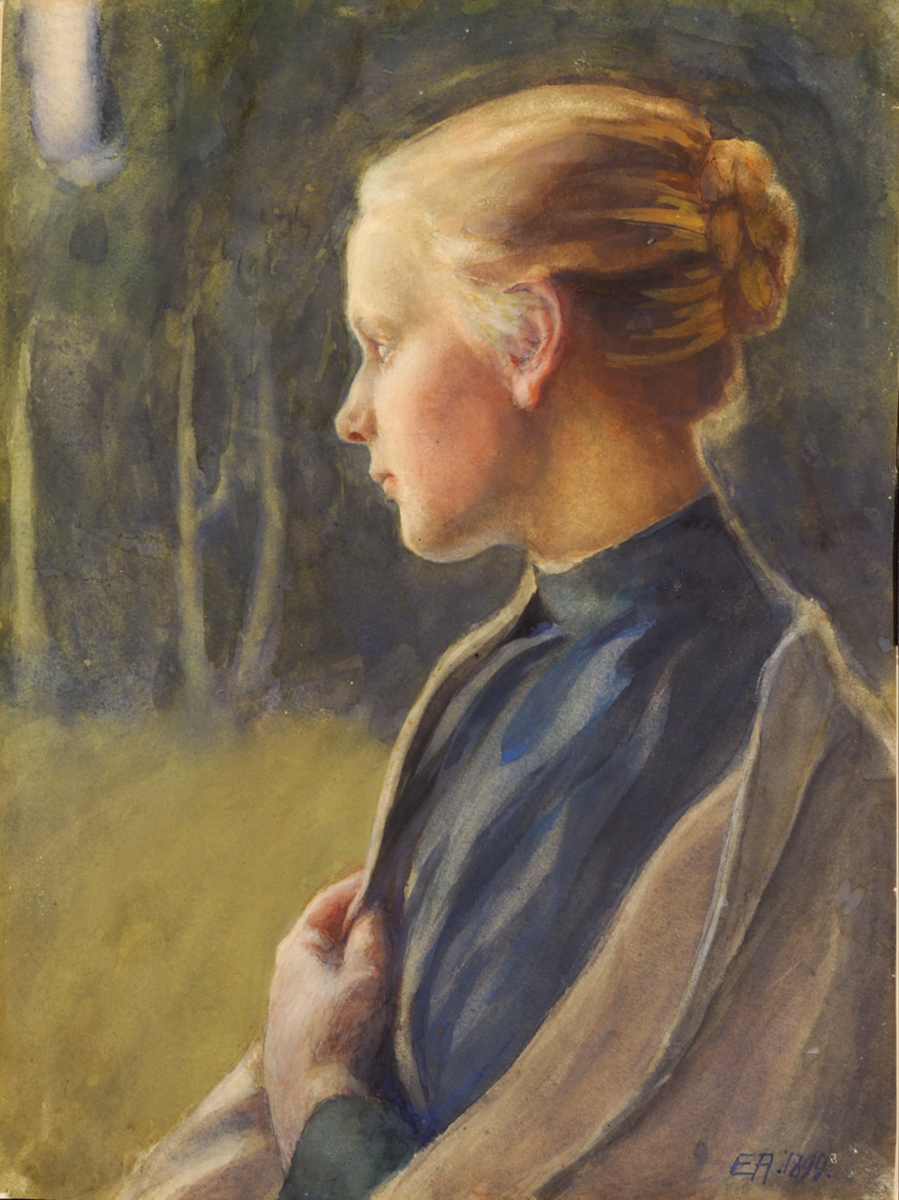
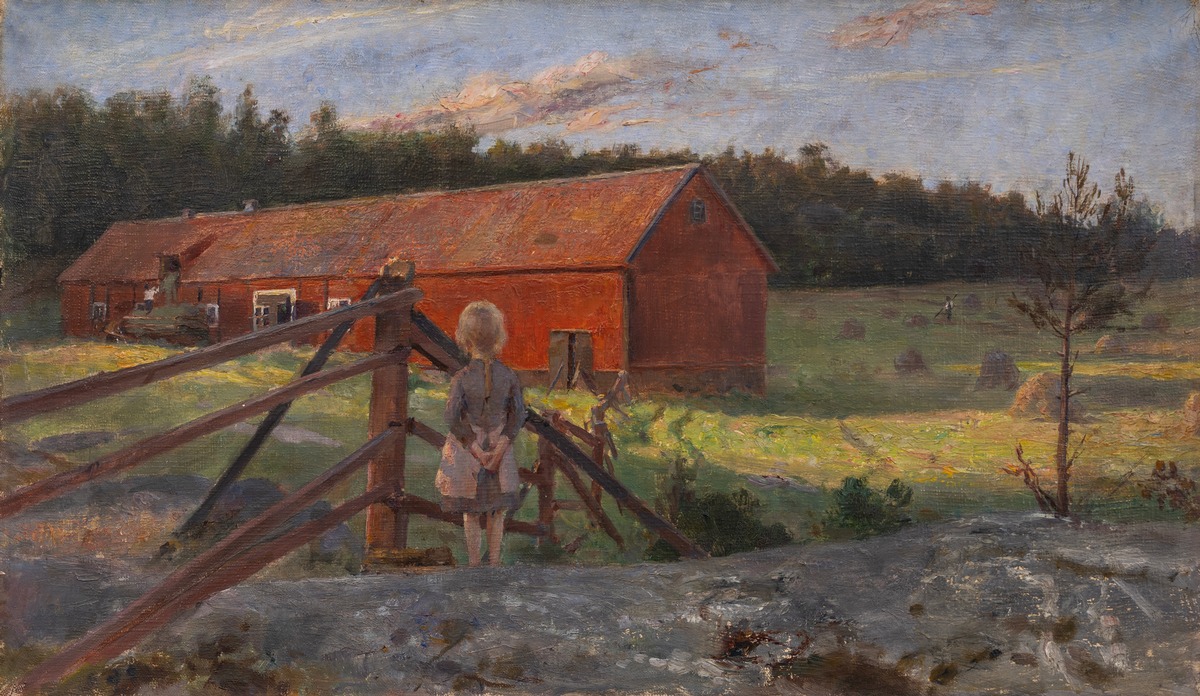
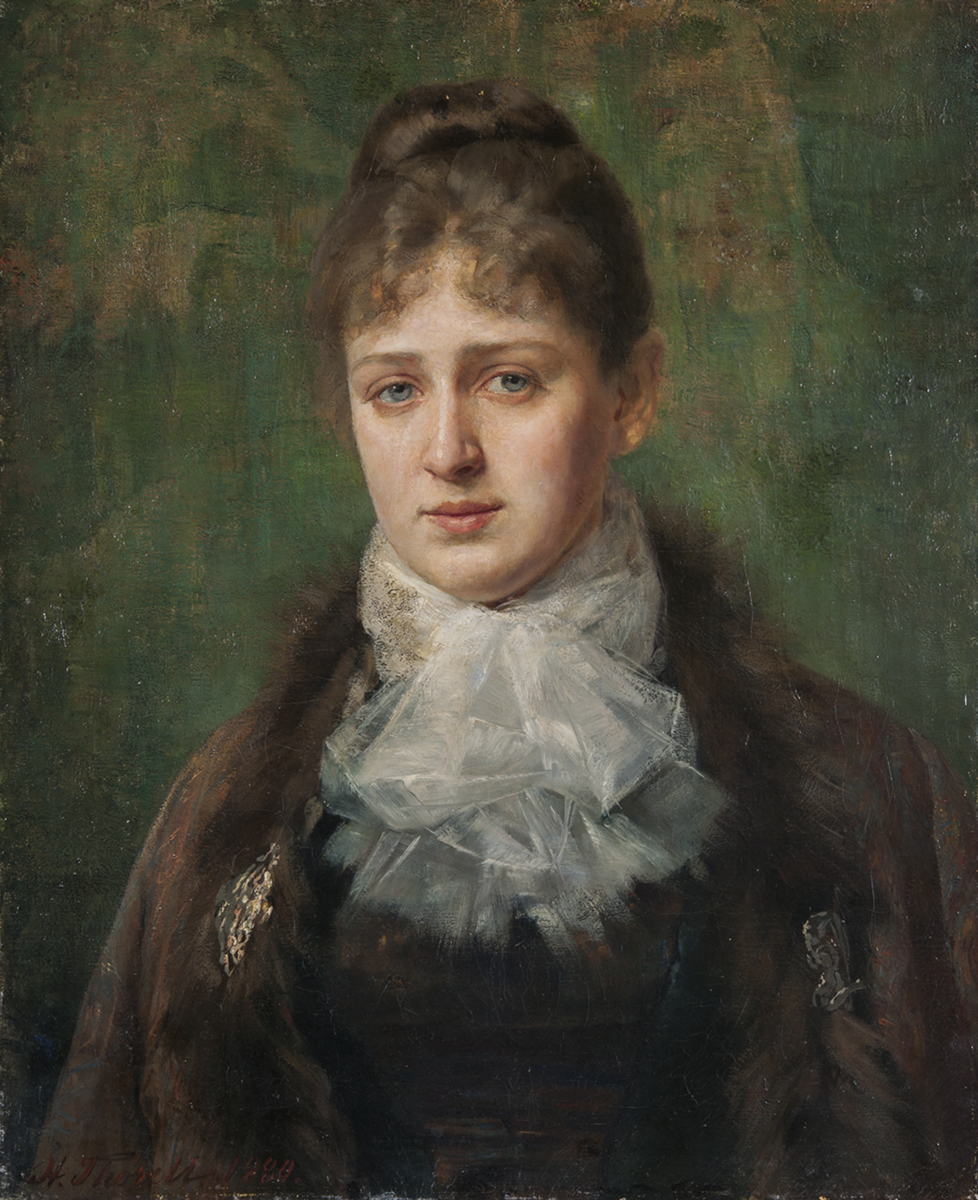
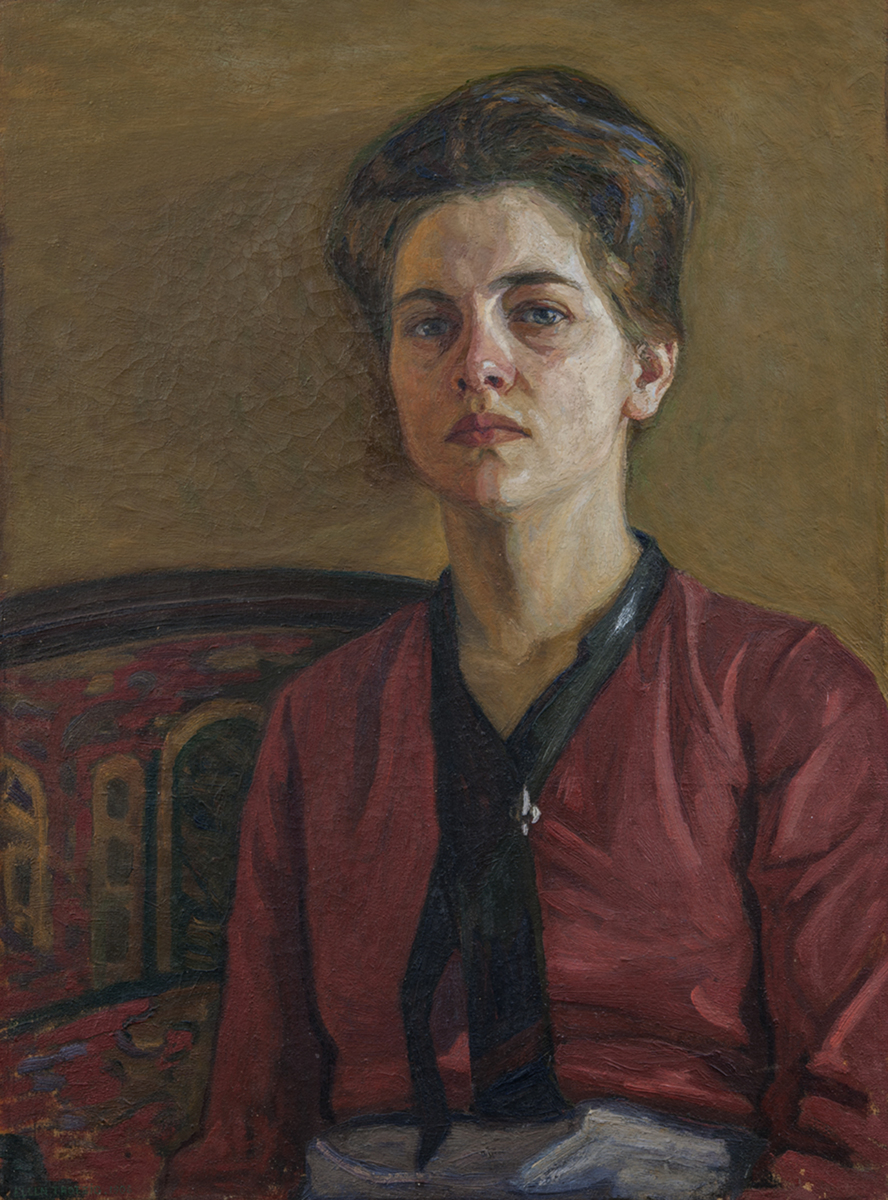
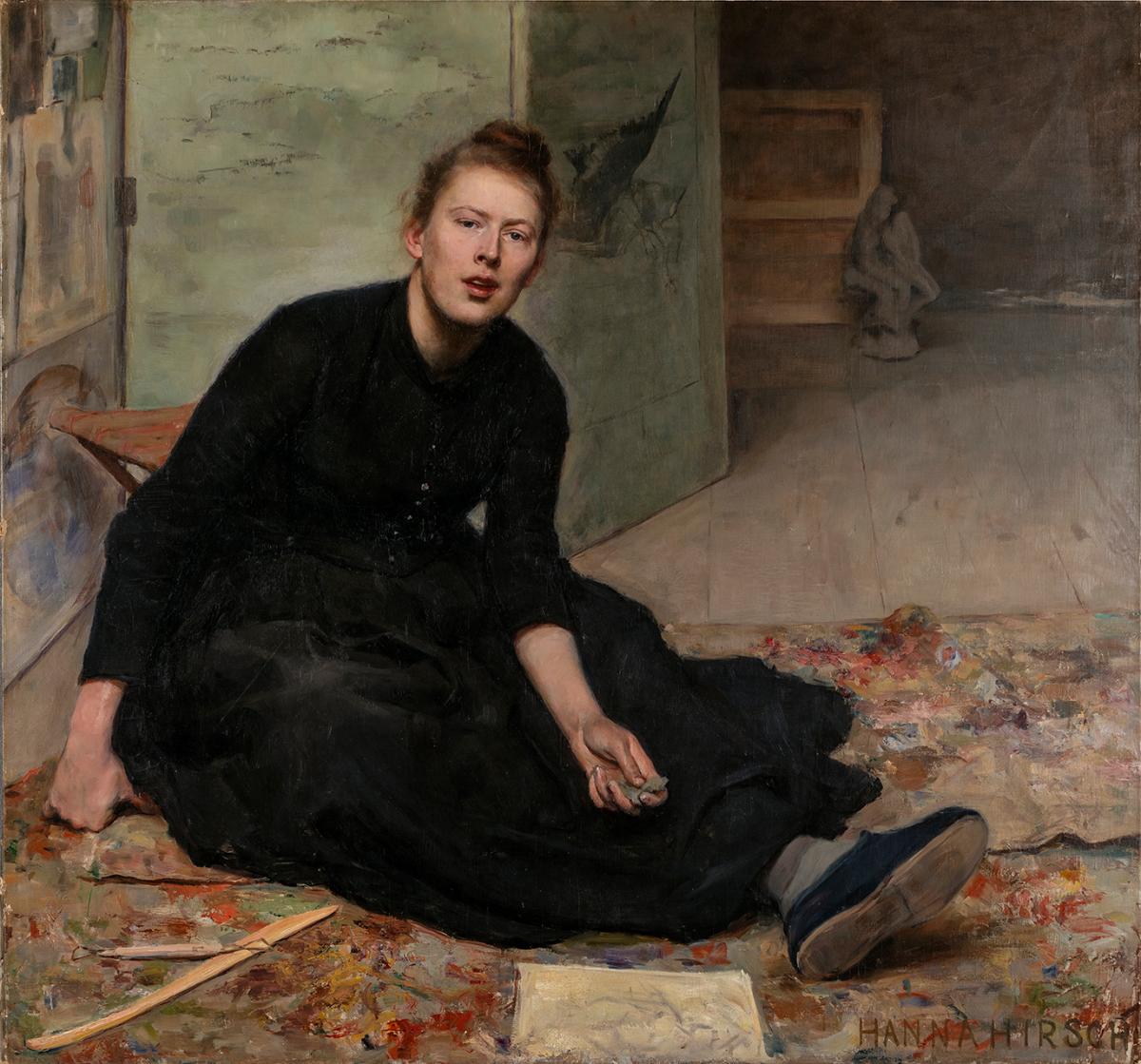
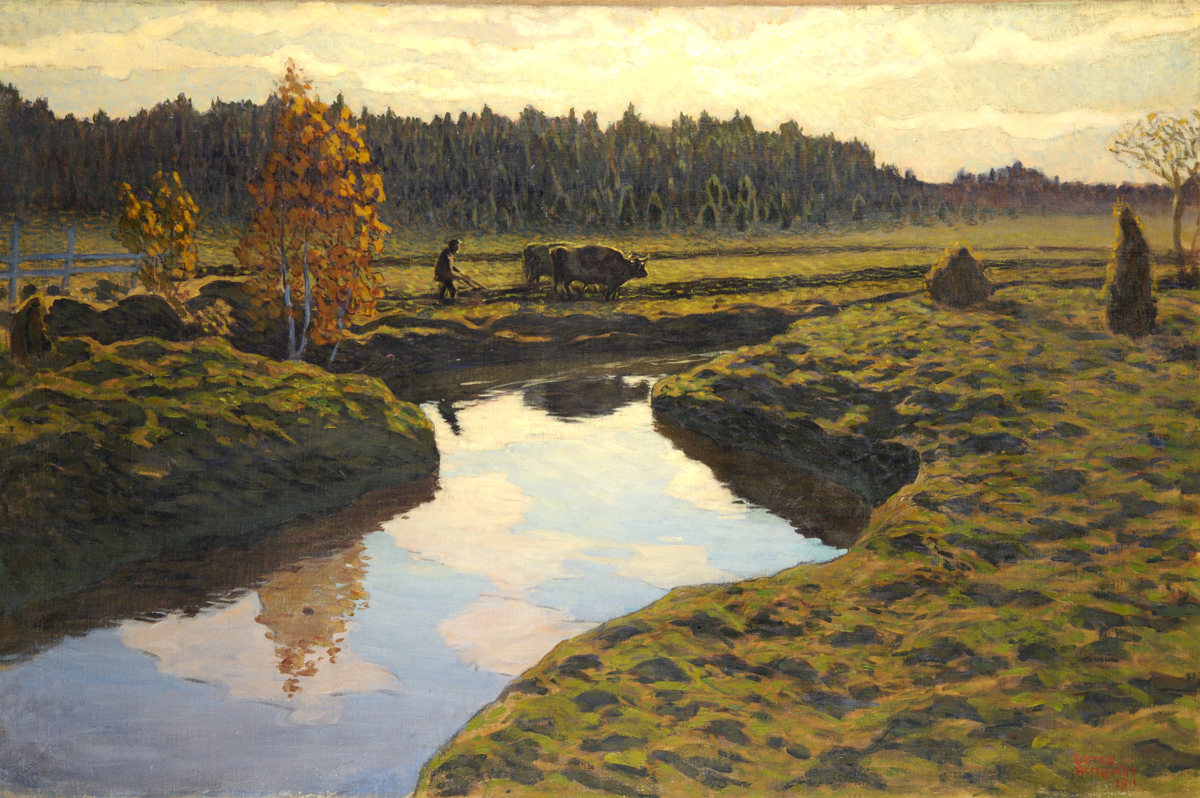
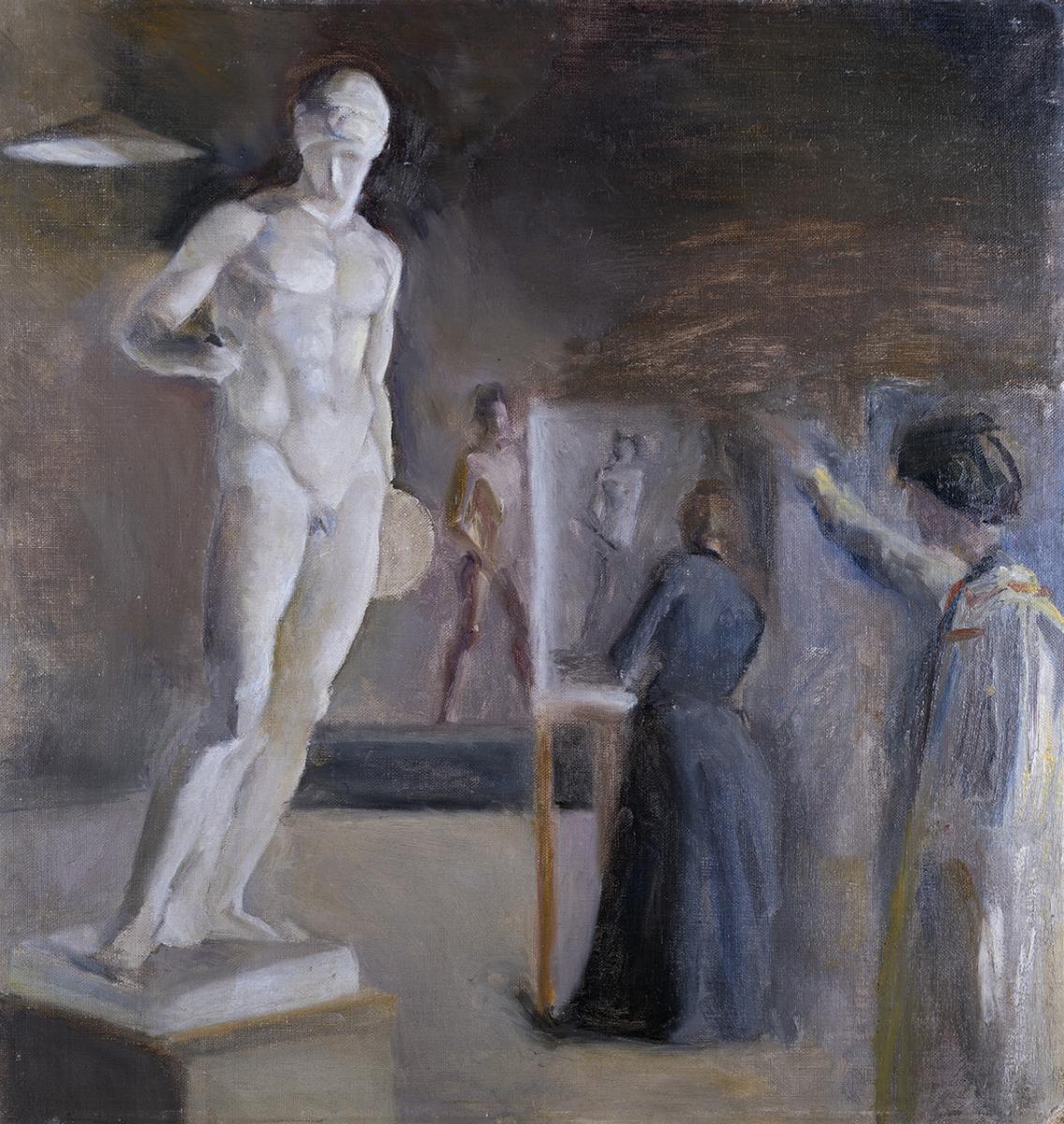
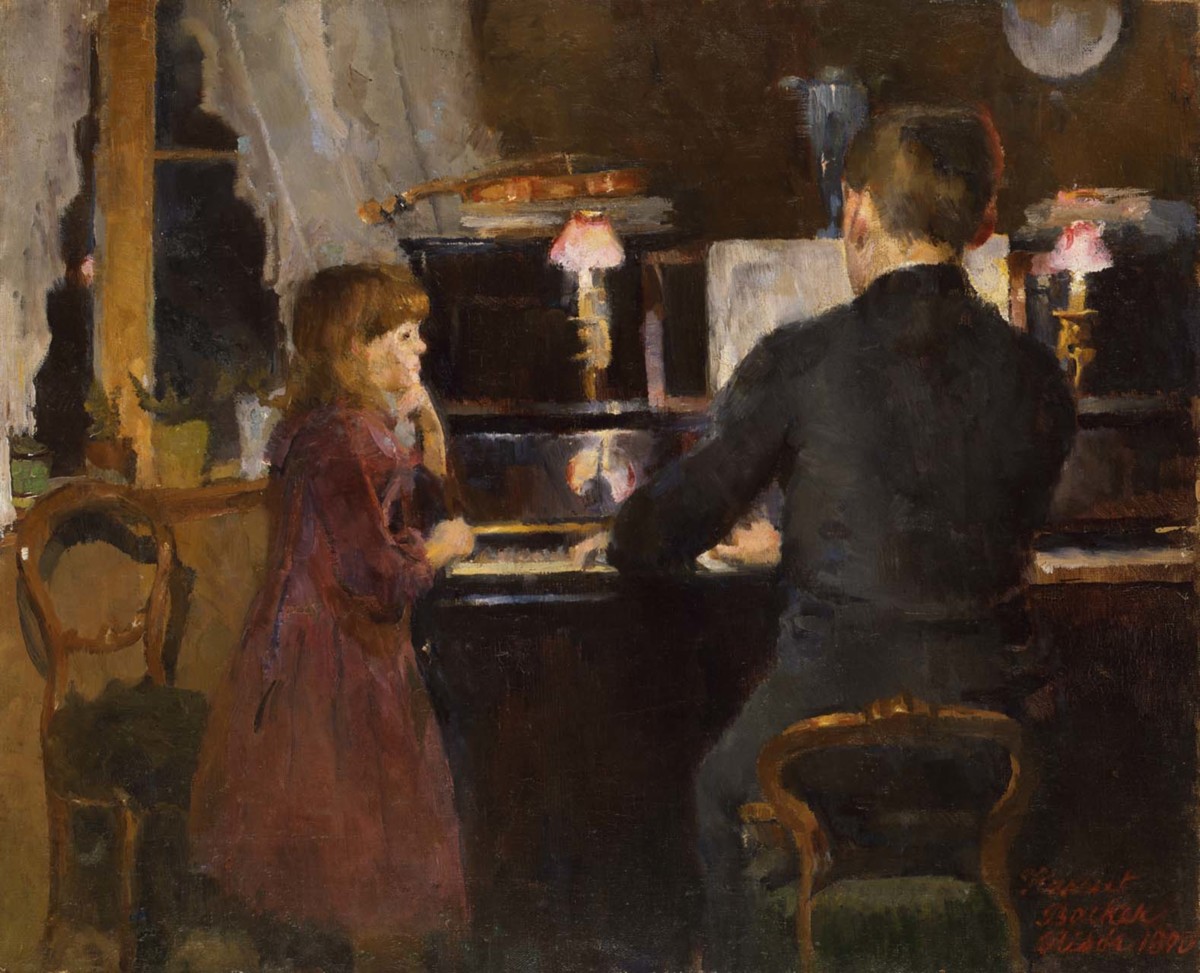
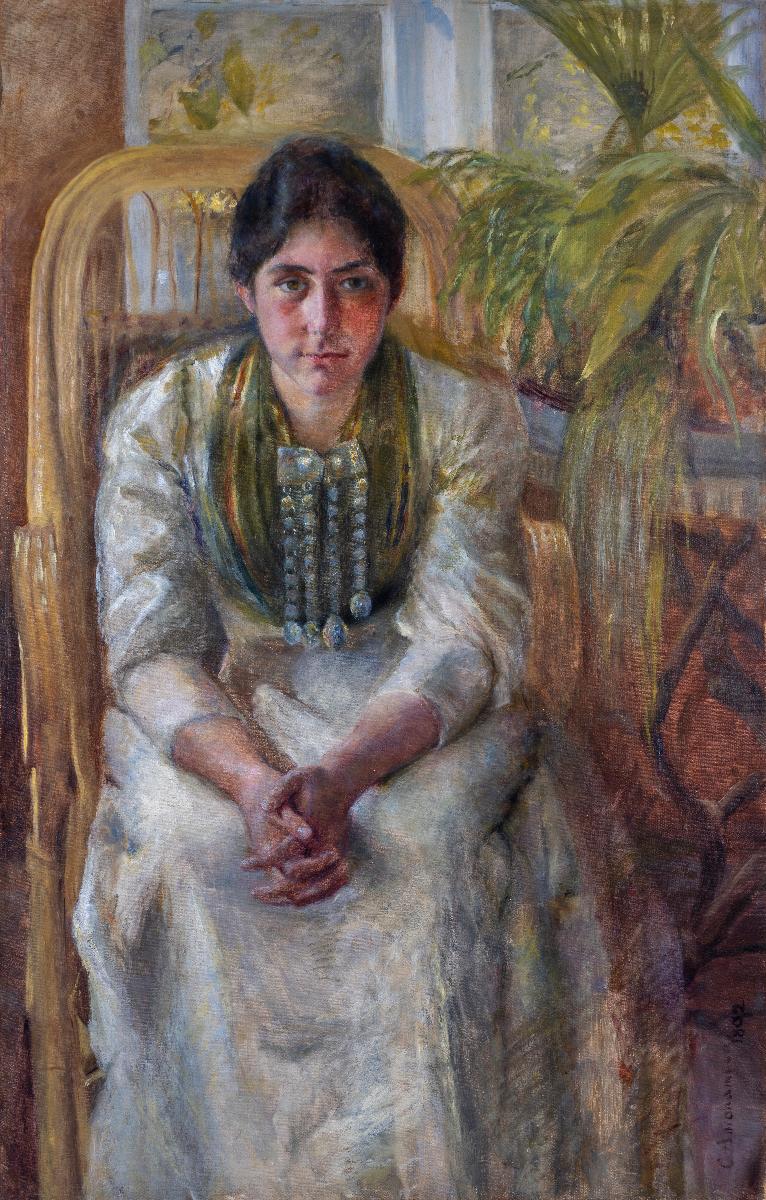
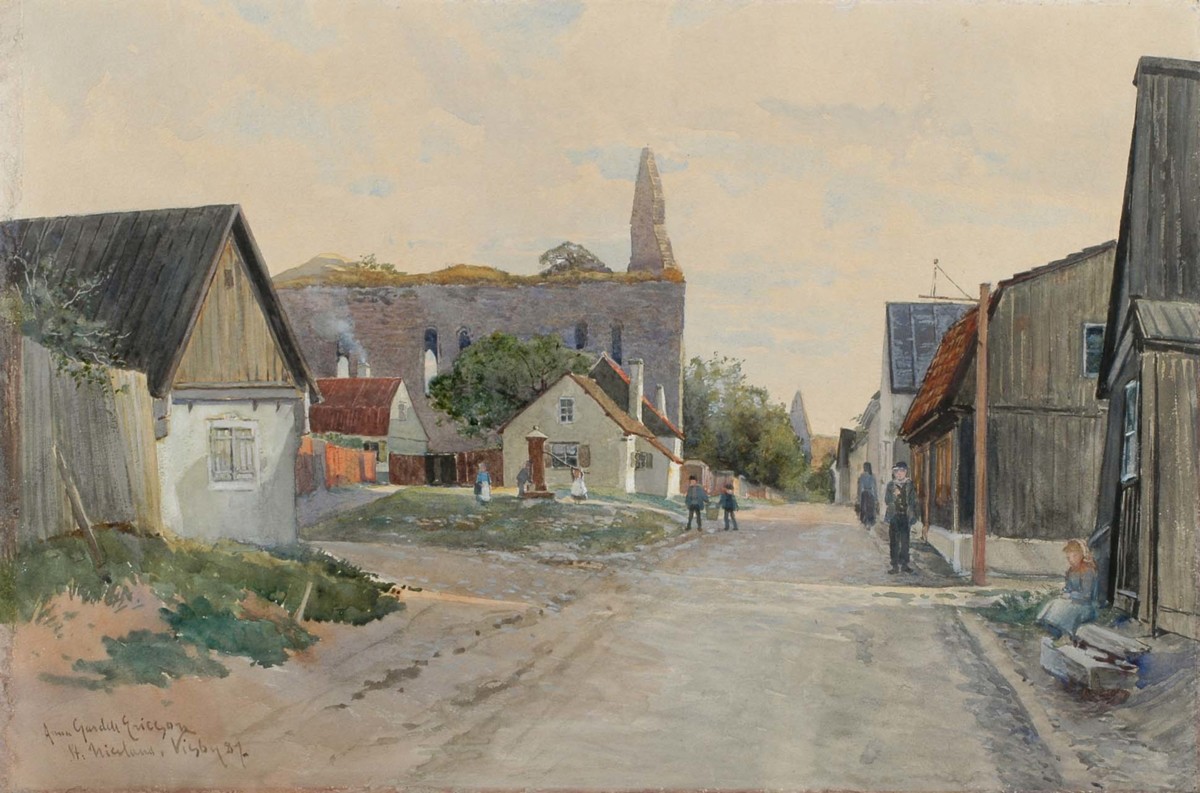
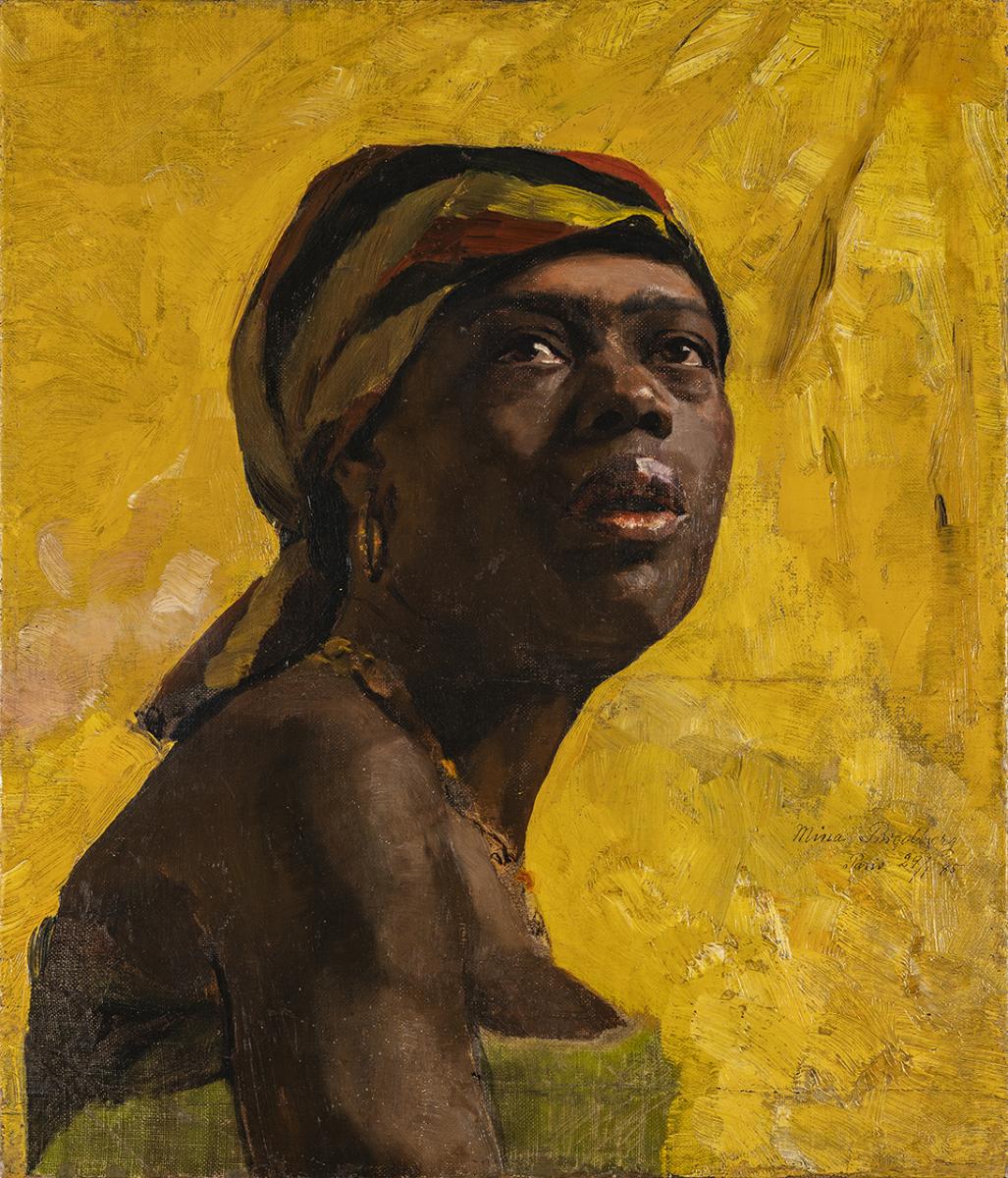
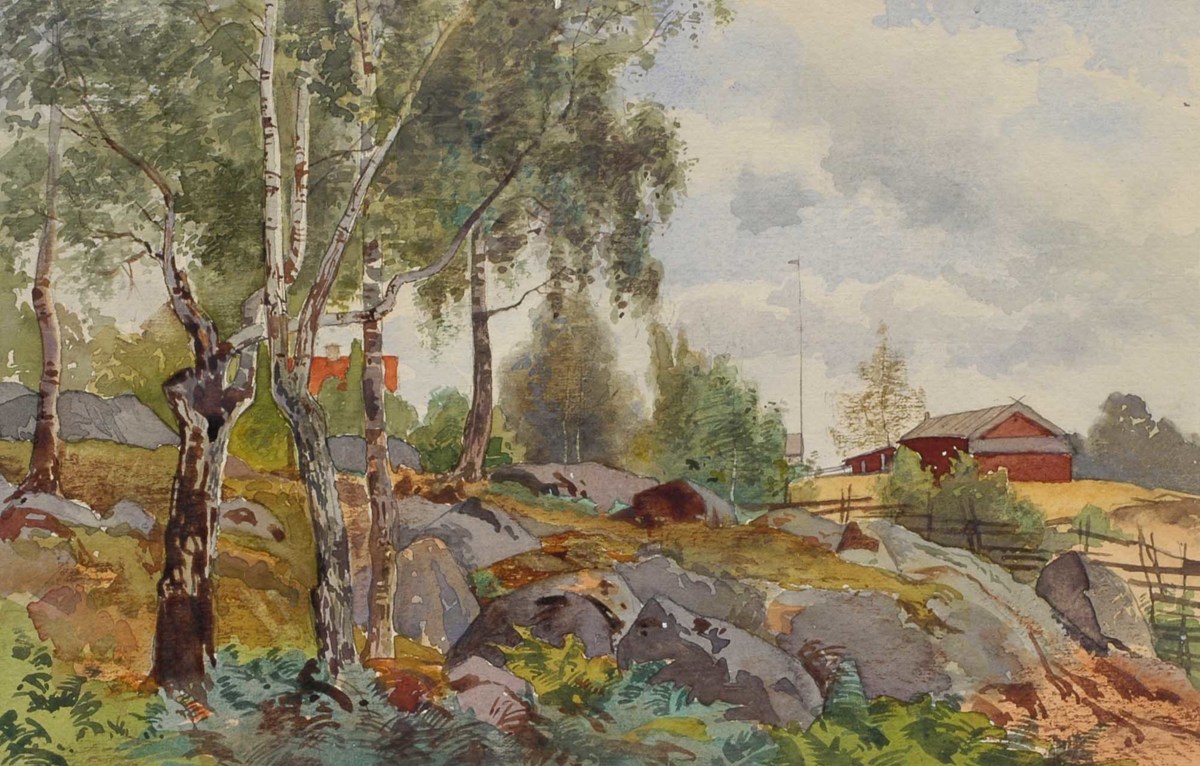
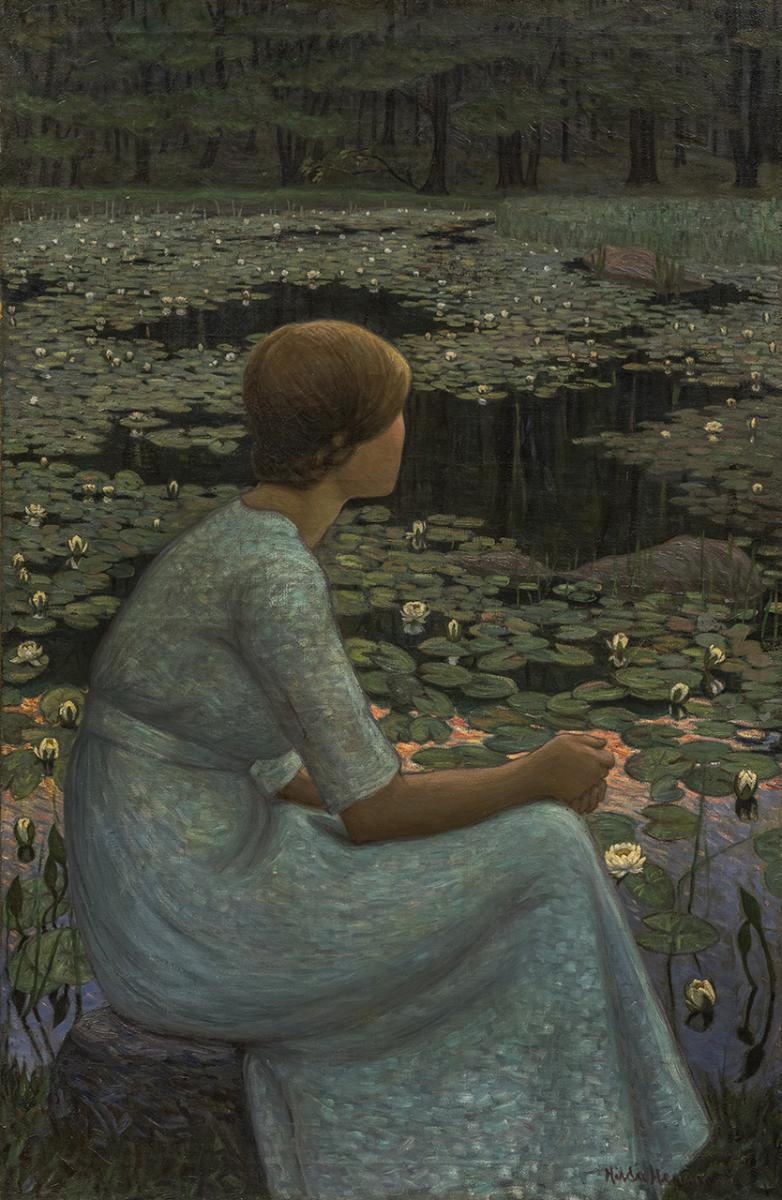
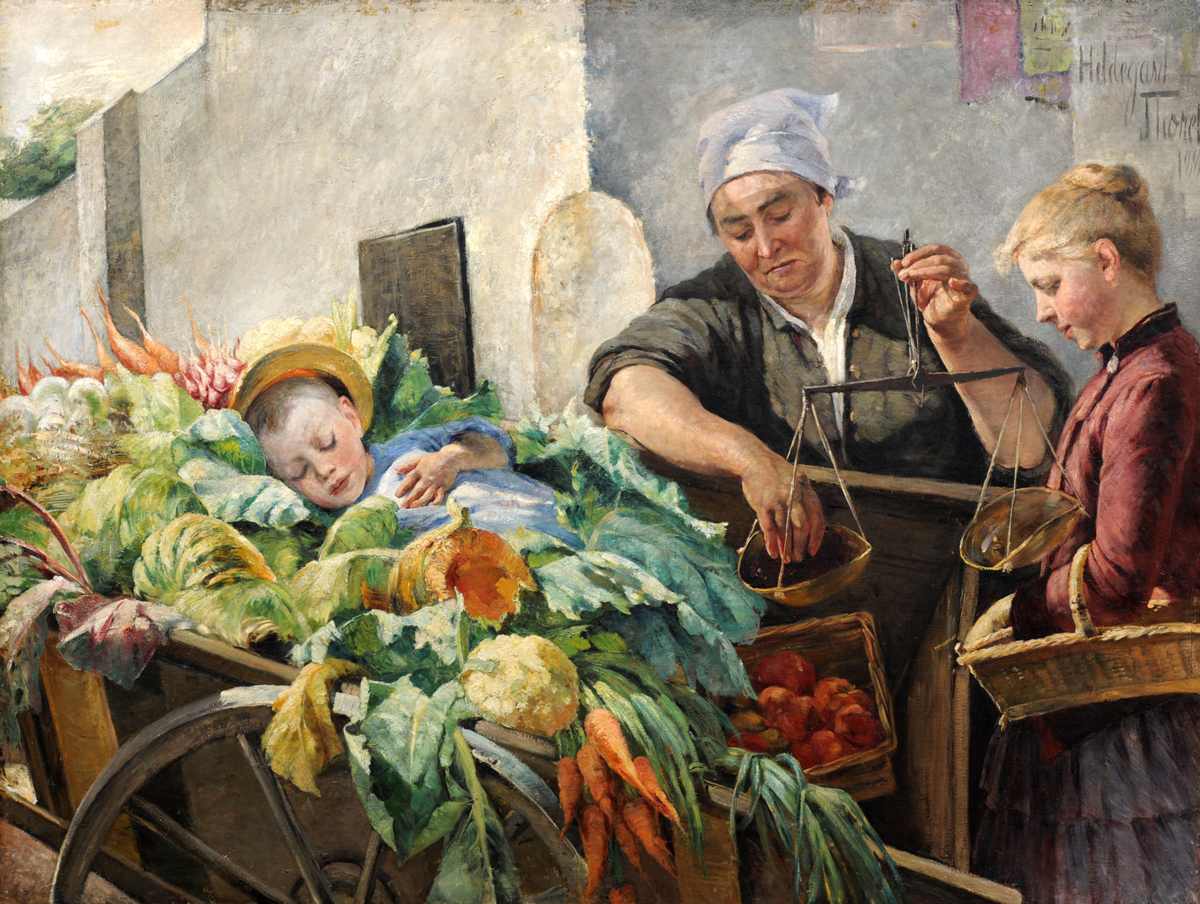
Below you can explore a selection of women artists from around the turn of the 20th century represented in the Gothenburg Museum of Art’s collection and learn more about the artists and their works.
Related Artworks